

MER Primary Care Conferences Internal Medicine for Primary Care Derm Endo Onc Vasc Jun 21-25, 2026
130 $
Format : videos + file sub vtt, size: GB
1. Overview
Conference Name: Internal Medicine for Primary Care: Dermatology/Endocrinology/Oncology/Vascular.
Organizer: Medical Education Resources (MER), a non-profit organization.
Date: June 21-25, 2026.
Location: Aulani, A Disney Resort & Spa in Oahu, HI.
2. Learning Objectives
Upon completion of this program, participants should be better able to:
Develop patient-specific treatment plans for the management of type 2 diabetes.
Diagnose and tailor treatment strategies for type 1 and type 2 diabetes.
Identify the risks and benefits of utilizing bisphosphonates in the treatment of osteoporosis.
Identify the risks of abnormal thyroid function.
Describe the diagnostic evaluation of thyroid nodules with a focus on the utilization of ultrasound and cytology.
Describe the spectrum of maladies included in peripheral vascular disease.
Discuss presentation and interventional treatment of stroke patients.
List current pharmacologic options for the management of aneurysms.
Describe the evaluation and treatment of venous thrombosis.
Discuss presentation and interventional treatment of swelling and ulcers of dysvascular limbs.
Identify clinical practices shown to prevent cancer.
Discuss the diagnostic approach to the patient with suspected cancer.
Evaluate and manage risks of the cancer survivor.
Describe the mechanism of action of new antiplatelet agents.
Manage patients on new oral anticoagulants.
Differentiate between the presentations and causes of atopic, contact (irritant and allergic), and nummular dermatitis.
Identify cutaneous findings that serve as surrogates of internal diseases.
Describe the step-wise approach for the diagnosis and treatment of acne and acneiform eruptions.
Differentiate benign and malignant skin tumors and employ appropriate interoffice procedures.
Detect pre-cancerous and cancerous skin lesions.
3. Target Audience
This program is targeted to office-based primary care providers and other health professionals with updates in primary care medicine. Best for internists, primary care physicians, dermatologists, endocrinologists, oncologists, and vascular medicine specialists.
4. Topics
Endocrinology
Type 2 Diabetes Mellitus: Diagnosis and treatment; lessons from the DCCT; managing diabetic emergencies; screening; pre-diabetes.
Insulin Therapy for Diabetes: Treating T2DM with insulin; T1DM.
Osteoporosis: Review the epidemiology and pathophysiology of osteoporosis along with interpretation of DEXA scans and FRAX risk assessment; up-to-date therapeutic options.
Disorders of Thyroid Function: Prevalence, diagnosis and treatment options of hypothyroidism and hyperthyroidism.
Thyroid Nodules and Cancer: Diagnosis and treatment.
Vascular Medicine
Peripheral Vascular Disease and Medical Therapy: Defining the spectrum of maladies under the umbrella of Peripheral Vascular Disease including the pathophysiology of atherosclerosis and treatments highlighting lipid lowering agents and antiplatelet therapy.
Stroke: Initial Presentation to Medical and Surgical Treatment: An overview of embolic stroke including diagnosis and medical, surgical, and interventional therapy.
Aortic and Peripheral Aneurysms: A guide for primary care outlining diagnosis, management, and therapeutic options.
Management of Venous Thrombosis: A discussion focusing on the variety of venous thrombotic diagnoses and the multiple available treatment options.
The Dysvascular Limb: How to Approach Swelling and Ulcers: An organizational approach to swelling and lower extremity ulceration focusing on the differential diagnosis, pathophysiology, and treatment.
Oncology
Cancer Prevention: Cancer screening and clinical practices shown to prevent cancer will be reviewed.
Approach to the Patient with Suspected Cancer: Symptoms, signs and diagnoses that raise the suspicion of cancer will be reviewed, and an approach to evaluating these patients will be presented.
Management of Cancer Survivors: Medical issues related to cancer survivorship and approaches to surveillance for cancer recurrence will be reviewed.
A Primary Care Review of New Antiplatelet Agents: Mechanisms of action, clinical indications, effectiveness, safety and peri-procedure management of current antiplatelet agents will be reviewed.
A Primary Care Review of New Oral Anticoagulants: Mechanisms of action, clinical indications, therapeutic indices, perioperative management and approaches to reversal of new anticoagulant and antiplatelet medications will be reviewed.
Dermatology
Dermatitis: Overview of the causes and forms of skin irritants; Contact, atopic, irritant, nummular, seborrheic and exfoliative; Treatment of blistering, oozing, crusting and flaking; Dagnostic principles and management strategies.
Skin Manifestations of Systemic Disease: Skin will often reflect signs of systemic diseases, be useful for diagnosis, or suffer from a complication of disease or its treatment; Diagnosis of rheumatalogic, endocrine, gastrointestinal, and psychologic conditions based on cutaneous findings.
Acne and Acneiform Eruptions: Identification of noninflammatory open or closed comedones and inflammatory lesions; Determination of treatment therapies based on acne grading scale; Bacterial folliculitis, drug-induced acne, hidradenitis suppurativa, miliaria, perioral dermatits, pseudofolliculitis barbae, rosacea, seborrheic dermatitis; Topical and systemic therapy.
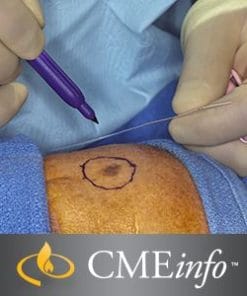
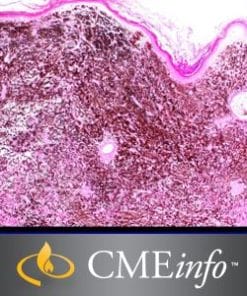
Benign Skin Tumors: Proper diagnosis and treatment of common benign tumors; Biopsies and histopathologic examination; Nevi, seborrheic keratosis keloids, hemangiomas and miscellaneous tumors; When to refer.
Premalignant and Malignant Skin Tumors: Recognition of precursors of malignancies; Excisional and punch biopsies; Actinic keratosis, Bowen’s disease, squamous cell carcinoma, basal cell carcinoma, melanoma and other selected tumors; Risk reduction education.
Be the first to review “MER Primary Care Conferences Internal Medicine for Primary Care Derm Endo Onc Vasc Jun 21-25, 2026”
You must be logged in to post a review.
Related products




Reviews
There are no reviews yet.