

-
×
 Psychological Insights for Understanding COVID-19 and Media and Technology (PDF)
1 × 4 $
Psychological Insights for Understanding COVID-19 and Media and Technology (PDF)
1 × 4 $ -
×
 Pharmacology of Ocular Therapeutics (PDF)
1 × 4 $
Pharmacology of Ocular Therapeutics (PDF)
1 × 4 $ -
×
 Spencer's Pathology of the Lung 6th, 2 Part Set
1 × 4 $
Spencer's Pathology of the Lung 6th, 2 Part Set
1 × 4 $ -
×
 Transgender and Gender Nonconforming Health and Aging 1st ed. 2019 Edition
1 × 10 $
Transgender and Gender Nonconforming Health and Aging 1st ed. 2019 Edition
1 × 10 $ -
×
 Sexually Transmitted Infections: Diagnosis, Management, and Treatment
1 × 4 $
Sexually Transmitted Infections: Diagnosis, Management, and Treatment
1 × 4 $ -
×
 Partial Knee Arthroplasty 1st ed. 2019 Edition
1 × 10 $
Partial Knee Arthroplasty 1st ed. 2019 Edition
1 × 10 $ -
×
 Advances in Psychiatry 1st ed. 2019 Edition
1 × 10 $
Advances in Psychiatry 1st ed. 2019 Edition
1 × 10 $ -
×
 New Concepts in ECG Interpretation 1st ed. 2019 Edition
1 × 10 $
New Concepts in ECG Interpretation 1st ed. 2019 Edition
1 × 10 $ -
×
 Goodman and Gilman's The Pharmacological Basis of Therapeutics, 12th Edition
1 × 4 $
Goodman and Gilman's The Pharmacological Basis of Therapeutics, 12th Edition
1 × 4 $ -
×
 Dynamic Ophthalmic Ultrasonography: A Video Atlas for Ophthalmologists and Imaging Technicians (PDF)
1 × 4 $
Dynamic Ophthalmic Ultrasonography: A Video Atlas for Ophthalmologists and Imaging Technicians (PDF)
1 × 4 $ -
×
 Thyroid and Parathyroid Diseases: A Case-Based Guide 1st ed. 2019 Edition
1 × 10 $
Thyroid and Parathyroid Diseases: A Case-Based Guide 1st ed. 2019 Edition
1 × 10 $ -
×
 Airway Stenting in Interventional Radiology 1st ed. 2019 Edition
1 × 10 $
Airway Stenting in Interventional Radiology 1st ed. 2019 Edition
1 × 10 $ -
×
 Renal Physiology: A Clinical Approach (Integrated Physiology Series)
1 × 4 $
Renal Physiology: A Clinical Approach (Integrated Physiology Series)
1 × 4 $ -
×
 Translational Ayurveda
1 × 10 $
Translational Ayurveda
1 × 10 $ -
×
 Miller's Anesthesia, 10th Edition, 2-Volume Set (PDF)
1 × 80 $
Miller's Anesthesia, 10th Edition, 2-Volume Set (PDF)
1 × 80 $ -
×
 Field Guide to Wilderness Medicine 4th
1 × 4 $
Field Guide to Wilderness Medicine 4th
1 × 4 $ -
×
 A-Z in Restorative Implant Dentistry Series (16 Lectures)
1 × 36 $
A-Z in Restorative Implant Dentistry Series (16 Lectures)
1 × 36 $ -
×
 Survival Guide Psychiatrie (German Edition) (German) Paperback – December 10, 2018
1 × 10 $
Survival Guide Psychiatrie (German Edition) (German) Paperback – December 10, 2018
1 × 10 $ -
×
 Plastic-Esthetic Periodontal and Implant Surgery: The Special DVD Compendium
1 × 39 $
Plastic-Esthetic Periodontal and Implant Surgery: The Special DVD Compendium
1 × 39 $ -
×
 Partial Extraction Therapy Course
1 × 45 $
Partial Extraction Therapy Course
1 × 45 $ -
×
 Lippincott's Concise Illustrated Anatomy: Volume 1: Back, Upper Limb and Lower Limb
1 × 4 $
Lippincott's Concise Illustrated Anatomy: Volume 1: Back, Upper Limb and Lower Limb
1 × 4 $ -
×
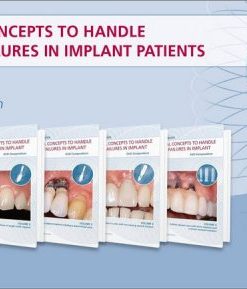 Surgical Concepts to Handle Esthetic Failures in Implant Patients
1 × 28 $
Surgical Concepts to Handle Esthetic Failures in Implant Patients
1 × 28 $ -
×
 Head and Neck Cancer: An Evidence-Based Team Approach
1 × 4 $
Head and Neck Cancer: An Evidence-Based Team Approach
1 × 4 $ -
×
 ITI International Team for Implantology Webinar & Video Lectures Package Part-2
1 × 50 $
ITI International Team for Implantology Webinar & Video Lectures Package Part-2
1 × 50 $ -
×
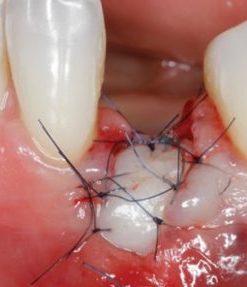 Soft Tissue Management around Natural Teeth and Dental Implants: Fundamentals, Evidence Based and Surgical Innovations
1 × 38 $
Soft Tissue Management around Natural Teeth and Dental Implants: Fundamentals, Evidence Based and Surgical Innovations
1 × 38 $ -
×
 Complete Orthodontic Course: From Beginner to Advanced
1 × 85 $
Complete Orthodontic Course: From Beginner to Advanced
1 × 85 $ -
×
 Dilemma's bij dementie
1 × 10 $
Dilemma's bij dementie
1 × 10 $ -
×
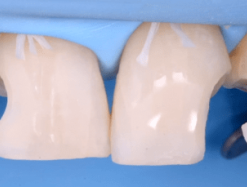 Direct and Indirect Adhesive Restorations
1 × 36 $
Direct and Indirect Adhesive Restorations
1 × 36 $ -
×
 Decision Making for Retreatment of Failures in Dental Medicine
1 × 45 $
Decision Making for Retreatment of Failures in Dental Medicine
1 × 45 $ -
×
 Mastering Surgical Principles: Key to Constant Success
1 × 50 $
Mastering Surgical Principles: Key to Constant Success
1 × 50 $ -
×
 Individualized Care: Theory, Measurement, Research and Practice
1 × 10 $
Individualized Care: Theory, Measurement, Research and Practice
1 × 10 $ -
×
 Digital Rehabilitation
1 × 49 $
Digital Rehabilitation
1 × 49 $


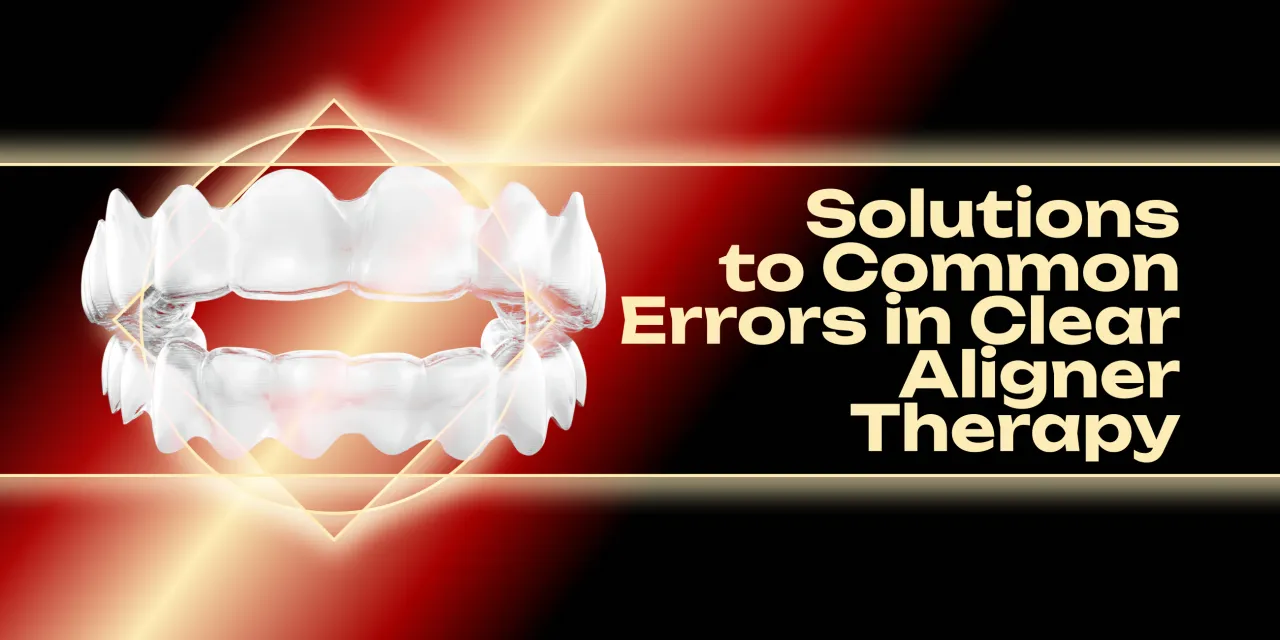
OHI-S Solutions to Common Errors in Clear Aligner Therapy
50 $
Format : 6 videos + 6 audios + 6 file sub vtt, size: 3.33 GB
6 lessons (5h 38min)
Optimize aligner design, staging, and clinical execution to overcome errors related to treating vertical problems, Class II and Class III malocclusions, crossbites, and distalization.
With real-case examples and actionable solutions, this course equips clinicians with the tools to enhance treatment predictability, reduce refinements, and confidently manage complex cases.
You will learn in detail about:
— Common biomechanical errors in clear aligner therapy and how to avoid them
— Effective digital treatment planning and aligner design principles
— Strategies for managing vertical problems, including deep bite and open bite cases
— Treatment approaches for Class 2 and Class 3 malocclusions with aligners
— Techniques for correcting crossbites using clear aligners
— Methods for distalization and space management with aligners
— Proper use of attachments, auxiliaries, and elastics to optimize tooth movement
— Identifying and solving clinical challenges related to aligner fit and patient compliance.
The OHI‑S Solutions to Common Errors in Clear Aligner Therapy course is best for orthodontists, general dentists, and dental residents who want structured, CE‑accredited training in diagnosing, preventing, and correcting mistakes in clear aligner treatment. It emphasizes evidence‑based protocols, clinical troubleshooting, and practical workflows to ensure predictable orthodontic outcomes.
Who Should Enroll
Orthodontists refining their expertise in aligner biomechanics and avoiding common pitfalls in treatment planning.
General dentists offering clear aligner therapy in practice and seeking to improve case predictability.
Residents & fellows in orthodontics learning advanced aligner protocols and error management strategies.
Prosthodontists & restorative dentists integrating aligner therapy into interdisciplinary rehabilitation cases.
Dental technicians & team members supporting aligner workflows and patient monitoring.
What You’ll Learn
Diagnosis of errors: recognizing common mistakes in case selection, staging, and aligner design.
Treatment planning protocols: evidence‑based workflows to minimize errors and improve predictability.
Biomechanics of aligners: understanding tooth movement limitations and how to correct deviations.
Clinical troubleshooting: strategies for mid‑course corrections, refinements, and patient compliance issues.
Case‑based lessons: real examples showing how to identify and resolve errors effectively.
+ Topics:
Lesson 1.Biomechanical Errors in the Three Planes of Space: How to Set up your Aligner Cases for Predictable Treatment Outcomes
— Overview of biomechanical differences between clear aligners and fixed appliances
— Key diagnostic criteria for anteroposterior, transversal, and vertical dentoalveolar issues
— Identification of frequent errors in tooth movement across three spatial planes
— Setting realistic tooth movement limits within treatment plans to avoid overloading
— Strategies to prevent roundtripping and reduce excessive aligner use and refinements
— Best practices for successfully treating growing Class II patients with aligners
— Importance of precise attachment placement and its impact on treatment outcomes
— Avoiding errors by implementing necessary over-corrections in the digital plan
— Clinical case reviews illustrating common planning mistakes and effective solutions
— Building confidence in managing complex malocclusions with clear aligner therapy.
Lesson 2.Clear Aligner Treatment in Mixed Dentition: Planning, Challenges, and Solutions
— Unique considerations in clear aligner therapy for mixed dentition patients compared to permanent dentition
— Common errors specific to treating young patients and their impact on treatment outcomes
— Strategies to prevent aligner fitting issues in growing patients
— Understanding growth dynamics and incorporating them into digital treatment planning
— Managing challenges related to exfoliation of primary teeth and unerupted permanent teeth
— How to effectively integrate Phase I treatment with clear aligners into daily clinical practice
— Discussion of hybrid treatment approaches combining dentoalveolar and skeletal correction
— Utilizing functional appliances alongside clear aligners for enhanced treatment results
— Case examples illustrating predictable outcomes in mixed dentition aligner therapy.
Lesson 3.Common Errors in Open Bite Mechanics and Treatment. How to Identify and Correct Them
— Overview of typical challenges in treating open bite cases with clear aligners
— Identification of frequent errors: improper aligner design, inadequate tooth movement, and insufficient bite dynamics assessment
— Strategies to optimize aligner design and staging for effective tooth movement
— The role and proper use of attachments and precision bite turbos in open bite correction
— Best practices for assessing and managing bite relationships throughout treatment
— Techniques to monitor progress and adjust treatment plans to prevent or resolve common issues
— Case studies illustrating successful correction of open bite complications
— Practical tips for improving treatment predictability and patient outcomes in open bite cases.
Lesson 4.Efficient Planning and Treatment of Class 3 Patients with Clear Aligners
— Common challenges and errors in treating Class 3 malocclusions with clear aligners
— Addressing inadequate tooth movement and the correct application of attachments
— Managing skeletal discrepancies effectively through treatment planning
— Optimizing aligner setup and staging for predictable results
— Use of auxiliary tools such as elastics and bite ramps to improve treatment outcomes
— Strategies to anticipate and prevent treatment delays by early identification of potential errors
— Understanding the biomechanical complexities of Class III cases for precise intervention
— Case examples demonstrating improved efficiency and faster treatment completion.
Lesson 5.Class 2 Management with Aligners: Common Errors and Clinical Solutions
— Common diagnostic pitfalls in assessing mandibular growth
— Errors in selecting treatment strategies such as mandibular advancement, distalization, elastics, and extractions
— Digital setup mistakes causing unrealistic tooth movements and treatment setbacks
— Clinical challenges including aligner fit, attachment placement, and ensuring patient compliance
— Analysis of real clinical cases demonstrating both treatment failures and successes, with lessons to enhance predictability.
Lesson 6.Vertical Problems with Aligners: Avoiding Common Mistakes
— Mistakes in diagnosing and planning vertical corrections
— Incorrect use of attachments and auxiliaries for vertical control
— Biomechanical errors and improper elastic selection
— Challenges when aligners fail to achieve intended vertical movements
— Occlusal finishing difficulties and effective refinement techniques.
Be the first to review “OHI-S Solutions to Common Errors in Clear Aligner Therapy”
You must be logged in to post a review.
Related products
Dental Ebook And Video
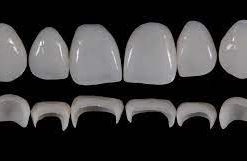
Prosthetic Rehabilitation on Natural Teeth: Predictable, Esthetic and Systematic Steps
38 $
Dental Ebook And Video
ITI International Team for Implantology Webinar & Video Lectures Package Part-3
50 $
Dental Ebook And Video
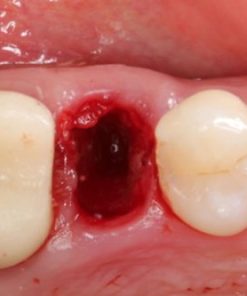
Extraction Socket – Preservation/Grafting; Immediate vs Delayed Implants; Pontic Site Development
38 $
Reviews
There are no reviews yet.