

 Post-Extraction Implants (Video course)
  Rasperini Masterclass: Interproximal Attachment Gain – The Challenge Of Periodontology
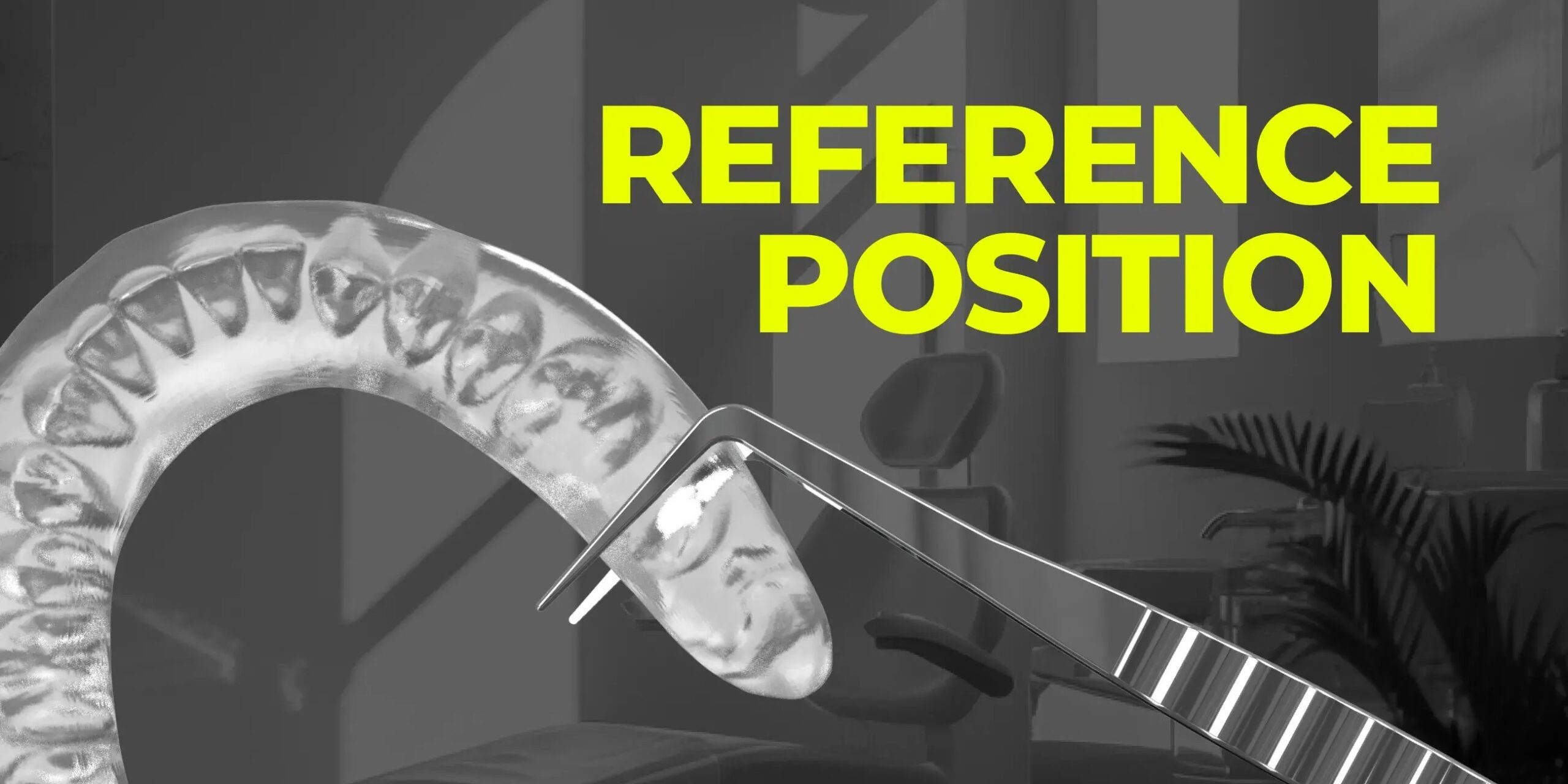
OHI-S Reference Position Centric Relation (CR), Centric Occlusion (CO), Neuro-Muscular RP
35 $
Format : 5 videos + 5 audios + 5 file sub vtt, size: 2.44 GB
5 lessons (4h 8min)
Reference position – a key step to successful dental treatment!
Join renowned specialists Jean-Daniel Orthlieb, Giorgio De’ Luca, and Michael Miyasaki, and learn the full protocols to determine the reference position for your occlusal rehabilitation and orthodontic cases.
During the course, you will learn about:
– Reference position (RP) registration rules and working with occlusal planes
– Protocols for determining centric relation (CR), centric occlusion (CO), and neuro-muscular therapeutic reference position (RP)
– Protocols for designing occlusal splints to obtain a neuro-muscular reference position (RP).
The OHI‑S Reference Position: Centric Relation (CR), Centric Occlusion (CO), Neuro‑Muscular RP course is best for prosthodontists, orthodontists, restorative dentists, and dental technicians who want structured, CE‑accredited training in occlusal reference positions for diagnosis, treatment planning, and functional rehabilitation. It emphasizes evidence‑based protocols for understanding and applying CR, CO, and neuromuscular reference positions in clinical practice.
Who Should Enroll
Prosthodontists managing complex occlusal rehabilitation and full‑mouth reconstructions.
Orthodontists integrating CR/CO analysis into treatment planning for functional stability.
Restorative dentists & general practitioners treating patients with occlusal dysfunction, wear, or temporomandibular disorders (TMD).
Dental technicians fabricating restorations that respect occlusal reference positions and functional pathways.
Residents, fellows, and trainees in prosthodontics, orthodontics, or restorative dentistry seeking structured occlusion training.
What You’ll Learn
Centric Relation (CR): definition, clinical relevance, and protocols for recording CR accurately.
Centric Occlusion (CO): understanding the relationship between CR and maximum intercuspation.
Neuro‑Muscular Reference Position (RP): integrating muscle physiology and neuromuscular balance into occlusal analysis.
Diagnostic protocols: articulator use, bite registration, and functional analysis.
Treatment planning: applying CR, CO, and RP concepts to restorative, orthodontic, and prosthodontic cases.
Case‑based lessons: clinical examples showing how reference positions guide predictable rehabilitation.
+ Topics:
Lesson 1.Definition of the reference plane
– Use of the facebow for fixing horizontal reference plane
– ARP index
– The use of the facebow as a guide
– Facial asymmetry
– 3 possible options for creating a horizontal reference plane.
Recommended for: Orthodontist, Gnathologist, Prosthetist, Dental Technician, General Dentist.
Lesson 2.The concept of mandible reference position and the vertical demention of occlusion
– Mandible reference position of due to the work of the muscles
– Reproducible positions: ICP and CR
– Stable and unstable ICP.
Recommended for: Orthodontist, Gnathologist, Prosthetist, Dental Technician, General Dentist.
Lesson 3.CR registration using neuromuscular approach. How to achieve stable results
– Occlusion and malocclusion: definition
– Rationale behind the neuromuscular approach to occlusion
– The concept of habitual bite
– Physiologic vs accommodative trajectory
– Available equipments used to diagnose and treat cases via neuromuscular approach
– Patient examination algorithm in the concept of neuromuscular dentistry
– CR registration using neuromuscular approach
– 3 keys to work in the concept of neuromuscular dentistry
– The method of obtaining the registry
– Orthotic: types and advantages of application
– Goals of the phase II of treatment
– What final options are available and an example of approaching a worn dentition rehabilitation
– Framework to approach occlusal stability.
Recommended for: Prosthodontists, Functional dentists, Restorers, General dentists.
Lesson 4.Neuro-Muscular Reference Position for Diagnostic and Therapeutic Goals
– Notions of temporomandibular joint
– Defining the reference position (RP) in clinical practice
– Reference position (RP) according to R. Slavicek
– Defining the neuro-muscular reference position (RP) in clinical dentistry
– Clinical indications for using the reference position (RP) in diagnostic orthodontic and prosthodontic practice
– Protocols for determining the reference position (RP)
– Adaptation of the cranio-mandibular system to the determined reference position (RP)
– Protocols for working with the articulator and facebow to determine the reference position (RP): mounting procedure;
– Digital protocols to determine the reference position (RP).
Recommended for: Orthodontists, Prosthodontists, Functional dentists, General dentists.
Lesson 5.Analog and Digital Determination of Neuro-Muscular Reference Position
– Step-by-step video demonstration of reference position (RP) determination using waxing procedures
– Video demonstration of splint adjustment and designing in reference position on the articulator
– Step-by-step protocols for splint design with digital workflow
– Analysis of clinical cases:
– Determination and designing of a splint in a neuro-muscular reference position.
Recommended for: Orthodontists, Prosthodontists, Functional dentists, General dentists.
Be the first to review “OHI-S Reference Position Centric Relation (CR), Centric Occlusion (CO), Neuro-Muscular RP”
You must be logged in to post a review.
Related products
Dental Ebook And Video
60 $
Dental Ebook And Video
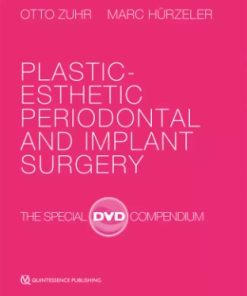
Plastic-Esthetic Periodontal and Implant Surgery: The Special DVD Compendium
39 $
Dental Ebook And Video
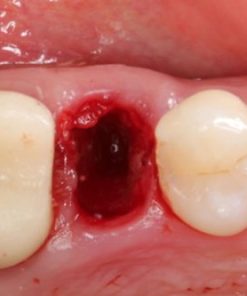
Extraction Socket – Preservation/Grafting; Immediate vs Delayed Implants; Pontic Site Development
38 $
Dental Ebook And Video
ITI International Team for Implantology Webinar & Video Lectures Package Part-1 (99 Videos)
60 $
Dental Ebook And Video
ITI International Team for Implantology Webinar & Video Lectures Package Part-3
50 $
Dental Ebook And Video
FOR Esthetic Soft Tissue – Inaki Gamborena, Patrick Rutten and Luc Rutten
30 $
Reviews
There are no reviews yet.