

-
×
 Paediatric Dentistry: Principles and Practice, 2nd Edition (PDF)
1 × 4 $
Paediatric Dentistry: Principles and Practice, 2nd Edition (PDF)
1 × 4 $ -
×
 Non-Invasive and Additive Prosthodontics Restorations (CME VIDEOS)
1 × 60 $
Non-Invasive and Additive Prosthodontics Restorations (CME VIDEOS)
1 × 60 $ -
×
 Dynamic Ophthalmic Ultrasonography: A Video Atlas for Ophthalmologists and Imaging Technicians (PDF)
1 × 4 $
Dynamic Ophthalmic Ultrasonography: A Video Atlas for Ophthalmologists and Imaging Technicians (PDF)
1 × 4 $ -
×
 Antibiotic Basics for Clinicians: The ABCs of Choosing the Right Antibacterial Agent 2nd
1 × 4 $
Antibiotic Basics for Clinicians: The ABCs of Choosing the Right Antibacterial Agent 2nd
1 × 4 $ -
×
 Stem Cells: New Frontiers in Science & Ethics
1 × 4 $
Stem Cells: New Frontiers in Science & Ethics
1 × 4 $ -
×
 Rasperini Masterclass: Interproximal Attachment Gain – The Challenge Of Periodontology
1 × 89 $
Rasperini Masterclass: Interproximal Attachment Gain – The Challenge Of Periodontology
1 × 89 $ -
×
 Get Fit, Stay Fit, 7th Edition
1 × 5 $
Get Fit, Stay Fit, 7th Edition
1 × 5 $ -
×
 Atlas of Urinary Cytopathology: With Histopathologic Correlations 1st Edition
1 × 10 $
Atlas of Urinary Cytopathology: With Histopathologic Correlations 1st Edition
1 × 10 $ -
×
 Insall & Scott Cirurgia do Joelho
1 × 5 $
Insall & Scott Cirurgia do Joelho
1 × 5 $ -
×
 The Johns Hopkins Internal Medicine Board Review: Certification and Recertification, 5th Edition (PDF)
1 × 18 $
The Johns Hopkins Internal Medicine Board Review: Certification and Recertification, 5th Edition (PDF)
1 × 18 $ -
×
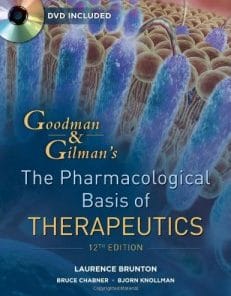 Goodman and Gilman's The Pharmacological Basis of Therapeutics, 12th Edition
1 × 4 $
Goodman and Gilman's The Pharmacological Basis of Therapeutics, 12th Edition
1 × 4 $ -
×
 Lippincott's Concise Illustrated Anatomy: Volume 3: Head & Neck
1 × 4 $
Lippincott's Concise Illustrated Anatomy: Volume 3: Head & Neck
1 × 4 $ -
×
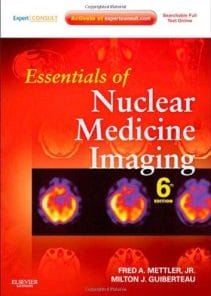 Essentials of Nuclear Medicine Imaging 6th
1 × 4 $
Essentials of Nuclear Medicine Imaging 6th
1 × 4 $ -
×
 ITI International Team for Implantology Webinar & Video Lectures Package Part-3
1 × 50 $
ITI International Team for Implantology Webinar & Video Lectures Package Part-3
1 × 50 $ -
×
 Physical Medicine and Rehabilitation: An Update for Internists, An Issue of Medical Clinics of North America (Volume 104-2) (The Clinics: Internal Medicine, Volume 104-2)
1 × 12 $
Physical Medicine and Rehabilitation: An Update for Internists, An Issue of Medical Clinics of North America (Volume 104-2) (The Clinics: Internal Medicine, Volume 104-2)
1 × 12 $ -
×
 Clinical Research: From Proposal to Implementation
1 × 5 $
Clinical Research: From Proposal to Implementation
1 × 5 $ -
×
 Surgical Concepts to Handle Esthetic Failures in Implant Patients
1 × 28 $
Surgical Concepts to Handle Esthetic Failures in Implant Patients
1 × 28 $
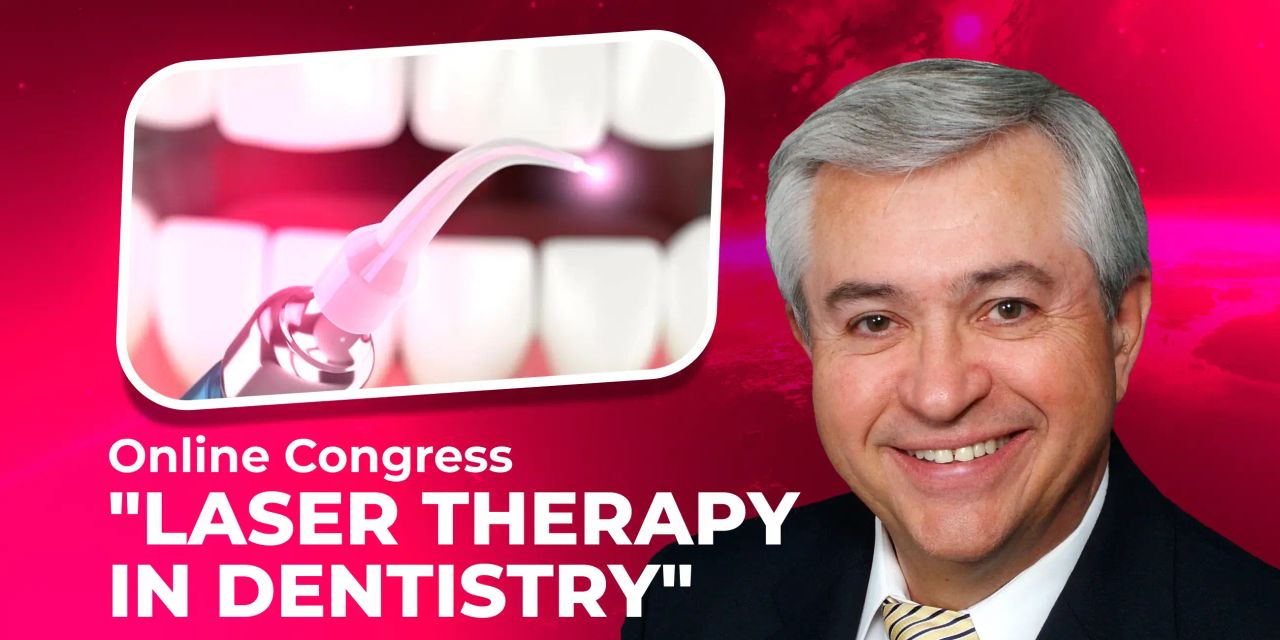
OHI-S Online Congress Laser Therapy in Dentistry
55 $
Format : 15 videos + 15 audios + 15 file sub vtt + 1 pdf, size: 7.33 GB
15 lessons (15h 14min)
The first online congress on multidisciplinary dental laser therapy awaits you!
You will learn protocols for using lasers in periodontics, orthodontics, endodontics, and restorative dentistry.
After completing the course, you will have comprehensive protocols for laser therapy application for:
– Treatment of periodontal tissue diseases and pigmentation
– Performing frenectomy, gingivotomy, and gingivectomy
– Accelerating orthodontic treatment
– Conducting endodontic treatment
– Minimally invasive caries treatment.
The OHI‑S Online Congress: Laser Therapy in Dentistry is best for dentists, periodontists, oral surgeons, endodontists, prosthodontists, and dental hygienists who want structured, CE‑accredited training in the clinical applications of dental lasers for both functional and aesthetic treatments. It is designed to provide practical, evidence‑based protocols for integrating laser therapy into everyday practice.
Who Should Attend
General dentists looking to expand their treatment options with minimally invasive laser techniques.
Periodontists applying lasers in periodontal therapy, pocket reduction, and soft tissue management.
Oral & maxillofacial surgeons using lasers for surgical precision and improved healing.
Endodontists incorporating laser disinfection in root canal therapy.
Prosthodontists & restorative dentists enhancing soft tissue aesthetics around restorations.
Dental hygienists supporting periodontal and preventive care with adjunctive laser therapy.
Residents, fellows, and trainees in dentistry seeking foundational and advanced knowledge of laser applications.
What You’ll Learn
Laser physics & safety: understanding wavelengths, tissue interaction, and protective protocols.
Clinical applications: periodontal therapy, implantology, endodontics, oral surgery, and restorative dentistry.
Aesthetic uses: gingival contouring, smile design, and soft tissue refinement.
Regenerative potential: lasers in wound healing and tissue biostimulation.
Case‑based lessons: real patient examples demonstrating predictable outcomes.
Integration into practice: workflow, patient communication, and cost‑effectiveness.
+ Topics:
Lesson 1.Contemporary Concept of Laser-Tissue Interaction
– The fundamental principles of laser-tissue interaction: absorption, scattering, and thermal effects
– Most used laser types in dentistry
– Characteristics of laser light:
– monochromatic
– directional
– coherent.
– Identify and differentiate between different laser wavelengths and their corresponding tissue interactions
– Mechanisms of laser energy absorption by different target tissues:
– enamel
– dentin
– soft tissues.
– The effects of laser parameters, such as power, pulse duration, and frequency, on tissue interaction and treatment outcomes
– Analyze the effects of laser energy on different types of tissues: ablation, coagulation, and biostimulation
– The concept of selective photothermolysis and its relevance to laser-based dental treatments
– The latest research and advancements in laser tissue interaction, including new laser modalities and treatment protocols
– Optimization of the laser-assisted dental procedures, ensuring patient comfort, treatment efficacy, and successful outcomes.
Recommended for: Orthodontists, Pediatric dentists, Endodontists, Restorative dentist, Periodontists, Implantologists, General dentists.
Lesson 2.Laser Therapy for a Pink and White Aesthetic
– The role of lasers in enhancing the pink esthetics of the oral cavity, specifically in relation to the gingival tissues
– Contraindications for gingivectomy and gingivoplasty
– Various components of pink esthetics, including gingival symmetry, contour, color, and texture
– Advantages of laser-assisted procedures for pink esthetics compared to traditional surgical techniques
– The different laser wavelengths and their specific applications in achieving desirable gingival aesthetics
– Techniques and protocols for laser-assisted gingival contouring, gingivectomy, and crown lengthening procedures. Video demonstration of the clinical cases
– The in-depth information about the techniques for the management of gingival hyperpigmentation.
Recommended for: Orthodontists, Pediatric dentists, Endodontists, Restorative dentist, Periodontists, Implantologists, General dentists.
Lesson 3.Laser-Assisted Periodontitis Treatment. Protocols and Clinical Workflow
– The role of lasers as a minimally invasive and effective treatment option for periodontitis
– Evaluate different laser systems and wavelengths available for periodontal treatment and select the appropriate laser for specific clinical scenarios
– The principles of laser-assisted periodontal therapy:
– laser decontamination
– pocket sterilization
– tissue regeneration.
– The step-by-step procedures and techniques involved in laser-assisted periodontal therapy:
– laser debridement
– laser-assisted flap surgery
– laser-assisted flapless surgery.
– The benefits of lasers in periodontal treatment
– The importance of proper laser settings: power, pulse duration
– Analyze and interpret the scientific evidence and research supporting the efficacy of laser-assisted periodontal therapy.
Recommended for: Orthodontists, Pediatric dentists, Endodontists, Restorative dentist, Periodontists, Implantologists, General dentists.
Lesson 4.Laser Correction of Short Lingual Frenulum in Children
– Laser frenectomies for treating tongue-tie and labial frenectomy
– Prevalence and consequences of tongue-ties and frenum pulls in newborns
– Overview and principles of the PEEL technique for successful tongue-tie release:
– Peristalsis
– Elevation
– Extension
– Lateralization.
– Diagnosis and treatment criteria of the PEEL technique for the treatment of tongue-tie
– Step-by-step protocols of the PEEL technique for the treatment of tongue-tie
– Analysis of clinical cases and literature review.
Recommended for: Orthodontists, Pediatric dentists, Endodontists, Restorative dentist, Periodontists, Implantologists, General dentists.
Lesson 5.Pink Aesthetic: High-Speed Gingival Laser Depigmentation
– Aetiology and classification of oral pigmentations
– Direct ablative technique using various wavelengths
– High-speed non-ablative technique using Digital Pulsed Diode Laser and blue laser
– Management of deep pigmentation in critical aesthetic zones, such as the papilla of the upper central incisors
– Treatment considerations for different types of oral pigmentations
– Laser-assisted depigmentation procedures
– Advantages and limitations of laser techniques for pigmentation managemen
– Clinical case studies demonstrating treatment outcomes.
Recommended for: Orthodontists, Pediatric dentists, Endodontists, Restorative dentist, Periodontists, Implantologists, General dentists.
Lesson 6.Application of 445nm Blue Laser in Periodontics
– Optical properties, characteristics, and features of 445nm blue laser
– Tissue interaction with 445nm blue laser
– Differentiation of 445nm blue laser from other diode wavelengths: indications and advantages
– Clinical applications of 445nm blue laser as a surgical tool for treating tongue-tie
– Step-by-step protocols for frenectomy using 445nm blue laser
– Step-by-step protocols for gingivectomy with 445nm blue laser
– Application of 445nm blue laser for the treatment of oral lesions
– Potential for photobiomodulation (PBM) for pain relief
– Analysis of clinical cases and literature review.
Recommended for: Orthodontists, Pediatric dentists, Endodontists, Restorative dentist, Periodontists, Implantologists, General dentists.
Lesson 7.Laser Application in Orthodontics and Soft Tissue Management
– Fundamental basic science in Laser
– Characteristics of laser light and laser component
– Emission modes
– Laser-tissue interaction: STAR
– Biological reaction by laser light
– Types of dental lasers
– Laser advantages
– Applications and procedures performed with dental lasers
– Assessment anв planning: SOAP concept
– Laser safety mechanisms
– Selection the appropriate wavelengths for clinical procedures
– Laser applications in Orthodontics:
– gingivectomy
– operculectomy
– soft tissue crown lengthening
– removal of hyperplastic gingival tissue
– labial frenectomy (upper lip)
– labial frenectomy (bottom lip)
– lingual frenectomy.
– Frenuloplasty assessment and treatment
– Orofacial Myofunctional Therapy (OMT)
– Surgical techniques and protocols in Orthodontics.
Recommended for: Orthodontists, Pediatric dentists, Endodontists, Restorative dentist, Periodontists, Implantologists, General dentists.
Lesson 8.PBM (Photobiomodulation) and Low Level Laser Therapy (LLLT) in Orthodontics
– Fundamental basic science of lasers in clinical orthodontic practice
– The science of laser-tissue interaction
– Review of the different types of lasers used in orthodontics and their specific applications
– Photobiomodulation (PBM) or low-level laser therapy (LLLT)
– Principles of photobiomodulation and its role in accelerating orthodontic treatment
– PBM mechanisms, benefits, and applications
– Analysis of research literature on PBM applications in orthodontics
– Analysis of PBM clinical applications in orthodontic patients
– Guidelines for incorporating laser therapy into daily orthodontic practice.
Recommended for: Orthodontists, Pediatric dentists, Endodontists, Restorative dentist, Periodontists, Implantologists, General dentists.
Lesson 9.Protocols for Laser Crown Lengthening, Exposure of Retained Teeth
– Overview of lasers in dentistry, covering wavelengths and delivery systems
– Understanding the basic principles of laser science in orthodontics
– Protocols of laser gingival contouring to improve aesthetics
– Step-by-step video demonstration of laser-assisted crown lengthening
– Techniques for laser-assisted exposure of impacted canines
– Clinical advantages of using lasers in orthodontic practice
– Managing inflammation during laser treatment to enhance patient comfort and outcomes
– Analysis of clinical cases.
Recommended for: Orthodontists, Pediatric dentists, Endodontists, Restorative dentist, Periodontists, Implantologists, General dentists.
Lesson 10.Finishing Protocols in Orthodontics: Application of Laser Therapy
– The benefits of using lasers for finishing in orthodontics
– Understanding the importance of soft tissue aesthetics in achieving optimal results
– Detailed protocols for laser gingivectomy and gingivoplasty
– Step-by-step guidance on laser-assisted gingival contouring techniques
– Achieving ideal aesthetic gingival contours for enhanced smile outcomes
– Techniques for recreating ideal gingival tissue post-treatment
– Case studies of successful laser-assisted finishing in orthodontic treatment.
Recommended for: Orthodontists, Pediatric dentists, Endodontists, Restorative dentist, Periodontists, Implantologists, General dentists.
Lesson 11.Science of Photobiomodulation: Therapeutic Lasers for Accelerated Orthodontics
– Reducing treatment duration with accelerated tooth movement techniques
– The effect of Low-Level Laser Therapy (LLLT) on the acceleration of orthodontic movement
– Step-by-step protocols for accelerated orthodontic treatment with laser therapy
– Laser-assisted management of iatrogenic irritation
– Laser-assisted treatment for muscular spasms
– Clinical case analysis
– Literature and research analysis on photobiomodulation and the concept of accelerated orthodontics.
Recommended for: Orthodontists, Pediatric dentists, Endodontists, Restorative dentist, Periodontists, Implantologists, General dentists.
Lesson 12.Introduction to Laser-Assisted Root Canal Therapy for Predictable Treatment
– Defining the endodontic experience for patient and dentist
– Mechanism of action of erbium lasers: Cavitation and “shockwave” generation
– The concept of Radial Apical Cleansing for the management of root canal systems
– Clinical laser applications in endodontics
– Histoanalysis of apical periodontitis
– Incorporating cone-beam computed tomography (CBCT) in endodontic diagnosis and treatment planning
– Multidisciplinary approaches in the management of endodontic-periodontal lesions
– The concept of laser preconditioning in the treatment of endodontic biofim
– Analysis of clinical cases.
Recommended for: Orthodontists, Pediatric dentists, Endodontists, Restorative dentist, Periodontists, Implantologists, General dentists.
Lesson 13.Clinical Applications of Lasers in Endodontics
– Clinical applications of lasers for the management of refractory diseases
– Managing complex and anatomically challenging root canal systems
– Advanced concepts of laser patency, laser recapitulation and laser drainage and decompression
– Treatment challenges encountered during root canal therapy
– Analysis of clinical cases.
Recommended for: Orthodontists, Pediatric dentists, Endodontists, Restorative dentist, Periodontists, Implantologists, General dentists.
Lesson 14.Laser Therapy in Endodontics: Resorption, Perforations, Broken Instruments
– Laser management of internal and external resorption
– The concept of Retro-dontics
– Managment of perforations and separated insturments
– Protocols of endo retreatment with laser-assisted therapy
– Management of inaccessible and hidding canal anatomy
– Indications and contraindcations of of single visit endodontics
– Root canal iririggtion disinfection protocols
– Managment of complications encountered during single visit endodontics
– Predicting endodontic outcomes with confidence with laser-assisted root canal therapy
– Analysis of clinical cases.
Recommended for: Orthodontists, Pediatric dentists, Endodontists, Restorative dentist, Periodontists, Implantologists, General dentists.
Lesson 15.Laser Minimally Invasive Restorative Dentistry: Caries Detection Technologies
– Laser fluorescence for caries detection
– QLF (Quantitative Light-induced Fluorescence) technology
– Infrared reflectance imaging in clinical practice
– Application of DIFOTI (Digital Imaging Fiber-Optic Transillumination) systems
– Minimal invasive laser techniques for caries treatment
– Caries infiltration methods and protocols
– Biomimetic dentistry approaches with laser restorative concepts
– Analysis of clinical cases and literature reviews.
Recommended for: Orthodontists, Pediatric dentists, Endodontists, Restorative dentist, Periodontists, Implantologists, General dentists.
Be the first to review “OHI-S Online Congress Laser Therapy in Dentistry”
You must be logged in to post a review.
Related products
Dental Ebook And Video
ITI International Team for Implantology Webinar & Video Lectures Package Part-3
50 $
Dental Ebook And Video
ITI International Team for Implantology Webinar & Video Lectures Package Part-1 (99 Videos)
60 $
Dental Ebook And Video
ITI International Team for Implantology Webinar & Video Lectures Package Part-4
50 $
Reviews
There are no reviews yet.