
-
×
 ITI International Team for Implantology Webinar & Video Lectures Package Part-2
1 × 50 $
ITI International Team for Implantology Webinar & Video Lectures Package Part-2
1 × 50 $ -
×
 Complete Orthodontic Course: From Beginner to Advanced
1 × 85 $
Complete Orthodontic Course: From Beginner to Advanced
1 × 85 $ -
×
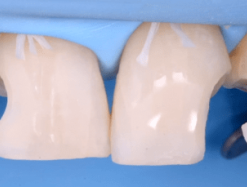 Direct and Indirect Adhesive Restorations
1 × 36 $
Direct and Indirect Adhesive Restorations
1 × 36 $ -
×
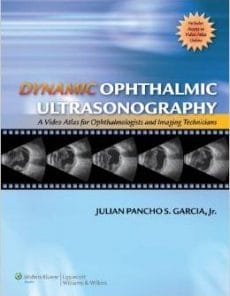 Dynamic Ophthalmic Ultrasonography: A Video Atlas for Ophthalmologists and Imaging Technicians (PDF)
1 × 4 $
Dynamic Ophthalmic Ultrasonography: A Video Atlas for Ophthalmologists and Imaging Technicians (PDF)
1 × 4 $ -
×
 Ridge Augmentation – Luca De Stavola
1 × 59 $
Ridge Augmentation – Luca De Stavola
1 × 59 $ -
×
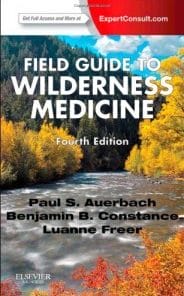 Field Guide to Wilderness Medicine 4th
1 × 4 $
Field Guide to Wilderness Medicine 4th
1 × 4 $ -
×
 Lippincott's Concise Illustrated Anatomy: Volume 1: Back, Upper Limb and Lower Limb
1 × 4 $
Lippincott's Concise Illustrated Anatomy: Volume 1: Back, Upper Limb and Lower Limb
1 × 4 $ -
×
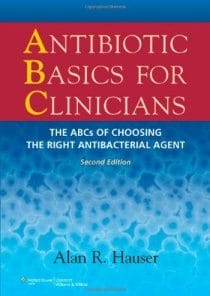 Antibiotic Basics for Clinicians: The ABCs of Choosing the Right Antibacterial Agent 2nd
1 × 4 $
Antibiotic Basics for Clinicians: The ABCs of Choosing the Right Antibacterial Agent 2nd
1 × 4 $ -
×
 History of Infectious Disease Pandemics in Urban Societies
1 × 4 $
History of Infectious Disease Pandemics in Urban Societies
1 × 4 $ -
×
 Renal Physiology: A Clinical Approach (Integrated Physiology Series)
1 × 4 $
Renal Physiology: A Clinical Approach (Integrated Physiology Series)
1 × 4 $ -
×
 Small Animal Soft Tissue Surgery
1 × 4 $
Small Animal Soft Tissue Surgery
1 × 4 $ -
×
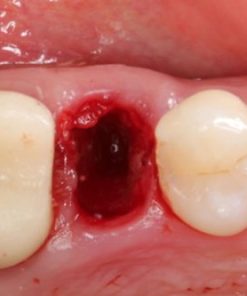 Extraction Socket – Preservation/Grafting; Immediate vs Delayed Implants; Pontic Site Development
1 × 38 $
Extraction Socket – Preservation/Grafting; Immediate vs Delayed Implants; Pontic Site Development
1 × 38 $ -
×
 The Ultimate Esthetics Course: Anterior Composite Compositions
1 × 59 $
The Ultimate Esthetics Course: Anterior Composite Compositions
1 × 59 $
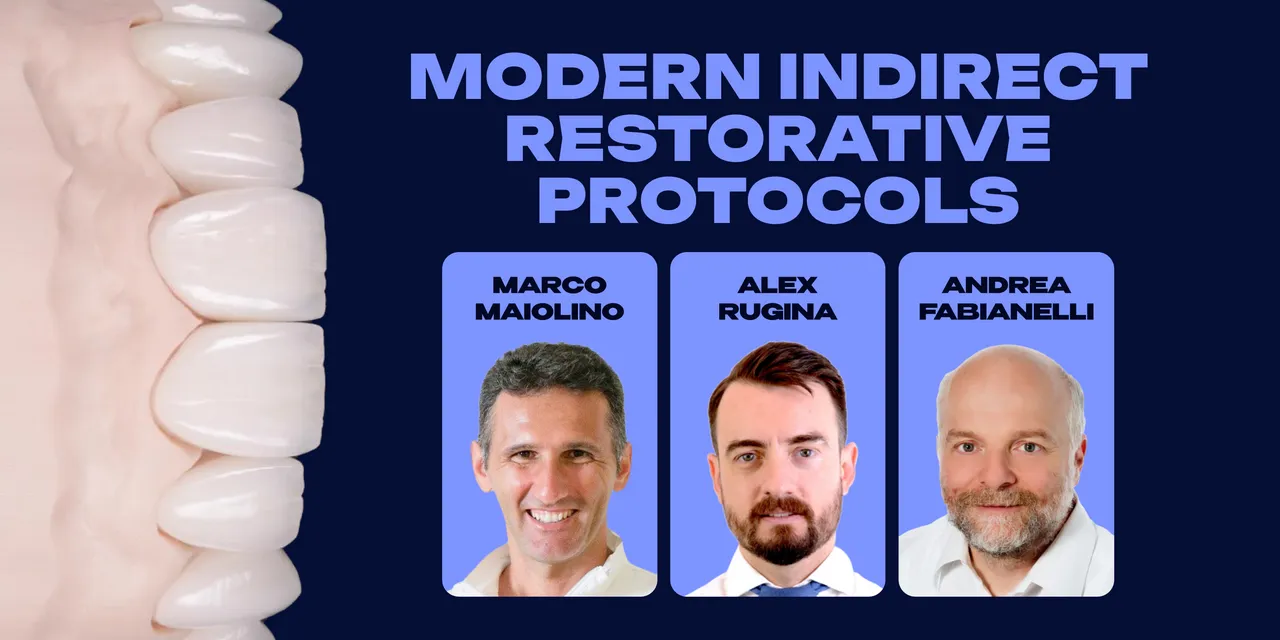
OHI-S Modern Indirect Restorative Protocols Adhesion, Precision, Function
40 $
Format : 6 videos + 6 audios + 6 file sub vtt, size: 2.97 GB
6 lessons (5h 1min)
All the advanced innovations, protocols, and key trends in modern restorative dentistry in one course!
You will learn a practical, oriented approach to minimal invasiveness and gentle handling of hard and soft tissues, biocompatibility, enhanced adhesive protocols, and ensuring patient comfort.
Renowned speakers Marco Maiolino, Andrea Fabianelli, and Alex Rugina will share exclusive insights from their areas of expertise:
— Vertical preparation and zirconia restorations
— Step-by-step protocol for working with partial ceramic restorations: palatal and buccal veneers, onlays, and inlays
— The latest trends in adhesive luting workflows for indirect restorations
— Full-mouth rehabilitation: step-by-step protocols.
The OHI‑S Modern Indirect Restorative Protocols: Adhesion, Precision, Function course is best for dentists, prosthodontists, and dental technicians who want structured, CE‑accredited training in contemporary indirect restorative workflows that emphasize adhesive dentistry, precision in preparation and fit, and functional stability.
Who Should Enroll
General dentists performing indirect restorations (veneers, inlays, onlays, crowns) who want to refine adhesive and precision protocols.
Prosthodontists managing complex restorative and full‑mouth rehabilitation cases with functional and aesthetic demands.
Dental technicians & lab professionals fabricating indirect restorations with high precision and functional accuracy.
Residents, fellows, and trainees in restorative dentistry or prosthodontics seeking structured training in modern adhesive workflows.
Implantologists & oral surgeons coordinating prosthetic planning with indirect restorative protocols.
What You’ll Learn
Adhesion protocols: evidence‑based bonding and cementation techniques for long‑term stability.
Precision workflows: preparation design, digital scanning, and CAD/CAM integration for accurate fit.
Functional rehabilitation: occlusal design and biomechanics to ensure durability and patient comfort.
Material selection: ceramics, composites, and adhesive systems aligned with modern restorative standards.
Case‑based lessons: clinical examples demonstrating predictable functional and aesthetic outcomes.
+ Topics:
Lesson 1.Marco Maiolino’s Experience with Vertical Preparation and Zirconia Restorations
— Analysis of vertical preparation
— Pros and cons of vertical preparation
— Diagnosis of mistakes during preparation
— Analysis of the toe–heel approach
— Long-term results of vertical preparation
— Establishment of undesired ridges, shoulders and irregularities
— How does the bur move while preparing vertically. Possible side effects
— Analysis of clinical cases.
Lesson 2.Zirconia and VertiPrep. Biomechanics of the Restorations
— Prosthetic space VS biologic price
— Minimally invasive vertical preparation
— Zirconia and vertical preparation
— How to handle safely thin monolithic crowns
— Geometry and biomechanics of dental preparation for indirect restorations
— Clinical case: restoration of a severely damaged tooth. Choice of preparation method.
Lesson 3.Next Level of Full-Mouth Rehabilitation: Analysis of Static and Dynamic Occlusion
— Review of conventional full-mouth rehabilitation concepts
— The importance of occlusal analysis in long-term success
— Integration of functional and aesthetic parameters
— Occlusal plane assessment and reference points
— Clinical methods for recording and verifying static occlusion
— Guidance patterns: canine guidance vs group function
— Detection and management of interferences during excursive movements.
Lesson 4.Full-Mouth Aesthetic Rehabilitation: From Occlusion Analysis to Minimally Invasive Preparation
— Occlusal principles in full-mouth rehabilitation cases
— Protocols for a minimally invasive approach to preparation
— Combining direct and indirect restorations in aesthetic cases
— Analysis of clinical cases.
Lesson 5.Adhesive Partial Ceramic Restorations
— The concept of minimally invasive dentistry
— Criteria for the success of adhesive restoration
— The mechanism of adhesive fixation when using an adhesive system
— Differentiating different kinds of partial restorations: inlays, onlays, overlays, table tops, palatal veneers, occlusal veneers.
Lesson 6.Partial Ceramic Restorations: Buccal and Palatal Veneers, Onlay, Overlay
— The benefits of partial ceramic indirect restorations
— Clinical steps of preparing ceramic onlays, overlays, buccal and palatal veneers
— Bonding techniques to receive the best performance
— Protocols of ceramic conditioning prior to bonding of the restoration
— Protocols of silanization to improve ceramic adhesion
— Analysis of clinical cases.
Be the first to review “OHI-S Modern Indirect Restorative Protocols Adhesion, Precision, Function”
You must be logged in to post a review.
Related products
Dental Ebook And Video
Rasperini Masterclass: Interproximal Attachment Gain – The Challenge Of Periodontology
89 $
Dental Ebook And Video
ITI International Team for Implantology Webinar & Video Lectures Package Part-3
50 $
Dental Ebook And Video
ITI International Team for Implantology Webinar & Video Lectures Package Part-4
50 $
Dental Ebook And Video
ITI International Team for Implantology Webinar & Video Lectures Package Part-1 (99 Videos)
60 $
Reviews
There are no reviews yet.