

OHI-S CO₂ Laser Resurfacing for Face and Hands 3 lessons 33min
20 $
Format : Videos + PDF
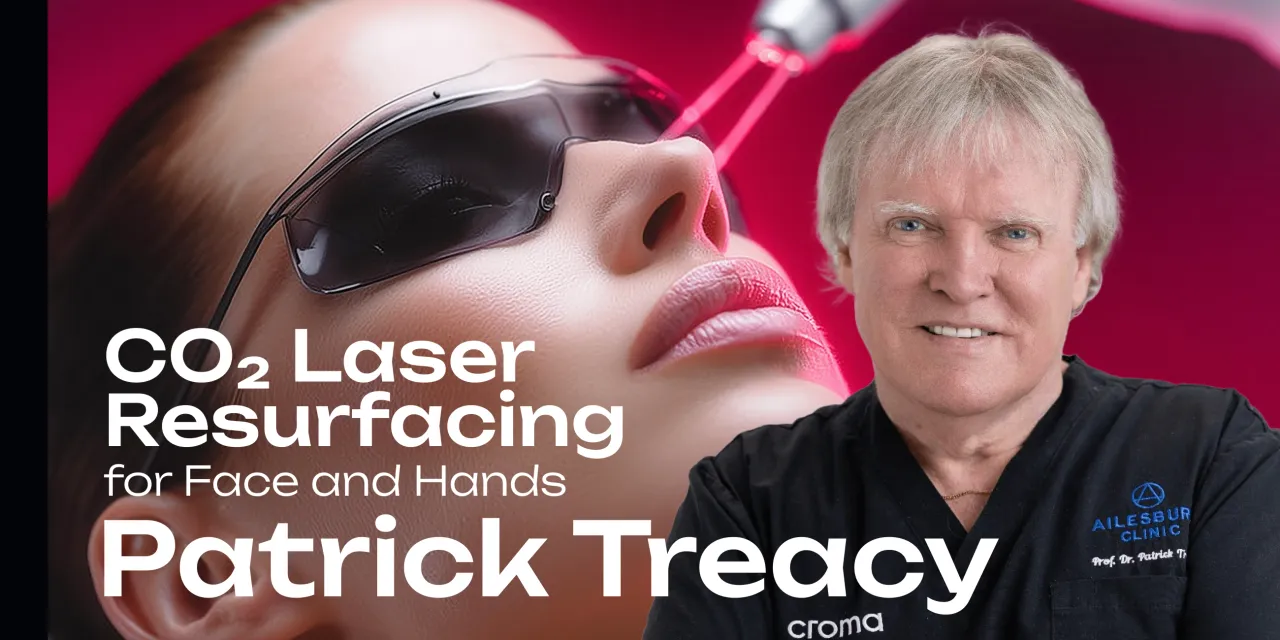
CO₂ laser resurfacing is one of the most powerful tools in aesthetic medicine. Led by Professor Patrick Treacy, a pioneer in aesthetic and regenerative medicine, this course takes you inside real-world protocols of ablative and fractional CO₂ resurfacing. It combines science, safety, and step-by-step clinical application, teaching practitioners how to adapt parameters, control thermal damage, and achieve maximum tightening with minimal downtime across facial, periorbital, and hand treatments.
Learning Objectives
Execute safe, structured anesthesia protocols, including topical and regional nerve blocks.
Manage CO₂ laser machine setup with precise anatomical customization.
Apply advanced layering techniques and pass control to optimize results and minimize complications.
Perform full-face ActiveFX resurfacing confidently.
Master precision periorbital tightening while prioritizing ocular safety and depth control.
Conduct ablative hand rejuvenation by adapting parameters for thin, sensitive skin.
Target Audience
This program is designed for clinical practitioners and aesthetic providers aiming to refine their ablative and fractional CO₂ laser techniques, maximize skin tightening results, and elevate patient safety protocols. Best for Aesthetic Medicine Specialists, Dermatologists, and Plastic Surgeons.
Topics
Lesson 1. CO₂ Laser Resurfacing: Clinical Preparation and Step-by-Step Application
Aesthetic preparation for ActiveFX (CO₂ laser resurfacing)
Application of topical anesthetics
Application of 23% lidocaine with 3.5% tetracaine
Protocols for regional anesthesia:
Infraorbital nerve block
Frontal nerve block
Setup of the CO₂ laser machine for skin resurfacing:
Energy settings and depth control
Fractional vs. fully ablative approaches
Step-by-step video demonstration of CO₂ laser resurfacing application
Lesson 2. CO₂ Laser for the Periorbital Area: Skin Tightening and Resurfacing
Topical anesthetics
Regional nerve blocks (if indicated)
Ocular protection measures
Energy parameters and density selection
Fractional vs. ablative approach
Depth control in thin periorbital skin
Layering technique and passes
Lesson 3. Ablative CO₂ Laser Resurfacing for Hands
Skin type evaluation
Differences between facial and hand skin anatomy
Energy settings and depth control for hands
Fractional vs fully ablative approaches
Adjusting parameters for thin, sensitive skin
Step-by-Step Treatment Technique:
Layering technique and passes
Coverage strategy for dorsal and lateral hand surfaces
Avoiding overlap and minimizing risk of burns
Be the first to review “OHI-S CO₂ Laser Resurfacing for Face and Hands 3 lessons 33min”
You must be logged in to post a review.
Related products
Reviews
There are no reviews yet.