

-
×
 Neurovascular Surgery: Surgical Approaches for Neurovascular Diseases
1 × 10 $
Neurovascular Surgery: Surgical Approaches for Neurovascular Diseases
1 × 10 $ -
×
 Advances in Psychiatry 1st ed. 2019 Edition
1 × 10 $
Advances in Psychiatry 1st ed. 2019 Edition
1 × 10 $ -
×
 Bildgebung des Thorax bei Neugeborenen und Kleinkindern
1 × 10 $
Bildgebung des Thorax bei Neugeborenen und Kleinkindern
1 × 10 $ -
×
 Diagnosis of Endometrial Biopsies and Curettings: A Practical Approach
1 × 10 $
Diagnosis of Endometrial Biopsies and Curettings: A Practical Approach
1 × 10 $ -
×
 Telemedicine and Electronic Medicine
1 × 4 $
Telemedicine and Electronic Medicine
1 × 4 $ -
×
 Absolute Obstetric Anesthesia Review: The Complete Study Guide for Certification and Recertification
1 × 10 $
Absolute Obstetric Anesthesia Review: The Complete Study Guide for Certification and Recertification
1 × 10 $ -
×
 Partial Knee Arthroplasty
1 × 10 $
Partial Knee Arthroplasty
1 × 10 $ -
×
 Anatomy and Examination in Ocular Trauma
1 × 10 $
Anatomy and Examination in Ocular Trauma
1 × 10 $ -
×
 Basic Urological Management
1 × 10 $
Basic Urological Management
1 × 10 $ -
×
 Adolescents with Chronic Kidney Disease
1 × 10 $
Adolescents with Chronic Kidney Disease
1 × 10 $ -
×
 Airway Stenting in Interventional Radiology 1st ed. 2019 Edition
1 × 10 $
Airway Stenting in Interventional Radiology 1st ed. 2019 Edition
1 × 10 $ -
×
 Paediatric Dentistry: Principles and Practice, 2nd Edition (PDF)
1 × 4 $
Paediatric Dentistry: Principles and Practice, 2nd Edition (PDF)
1 × 4 $ -
×
 Occlusion Simplified and Managing Vertical Dimension (7 Parts)
1 × 45 $
Occlusion Simplified and Managing Vertical Dimension (7 Parts)
1 × 45 $ -
×
 Antibiotic Basics for Clinicians: The ABCs of Choosing the Right Antibacterial Agent 2nd
1 × 4 $
Antibiotic Basics for Clinicians: The ABCs of Choosing the Right Antibacterial Agent 2nd
1 × 4 $ -
×
 The Licensing Exam Review Guide in Nursing Home Administration, Seventh Edition
1 × 4 $
The Licensing Exam Review Guide in Nursing Home Administration, Seventh Edition
1 × 4 $ -
×
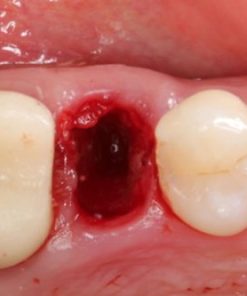 Extraction Socket – Preservation/Grafting; Immediate vs Delayed Implants; Pontic Site Development
1 × 38 $
Extraction Socket – Preservation/Grafting; Immediate vs Delayed Implants; Pontic Site Development
1 × 38 $ -
×
 A-Z in Restorative Implant Dentistry Series (16 Lectures)
1 × 36 $
A-Z in Restorative Implant Dentistry Series (16 Lectures)
1 × 36 $

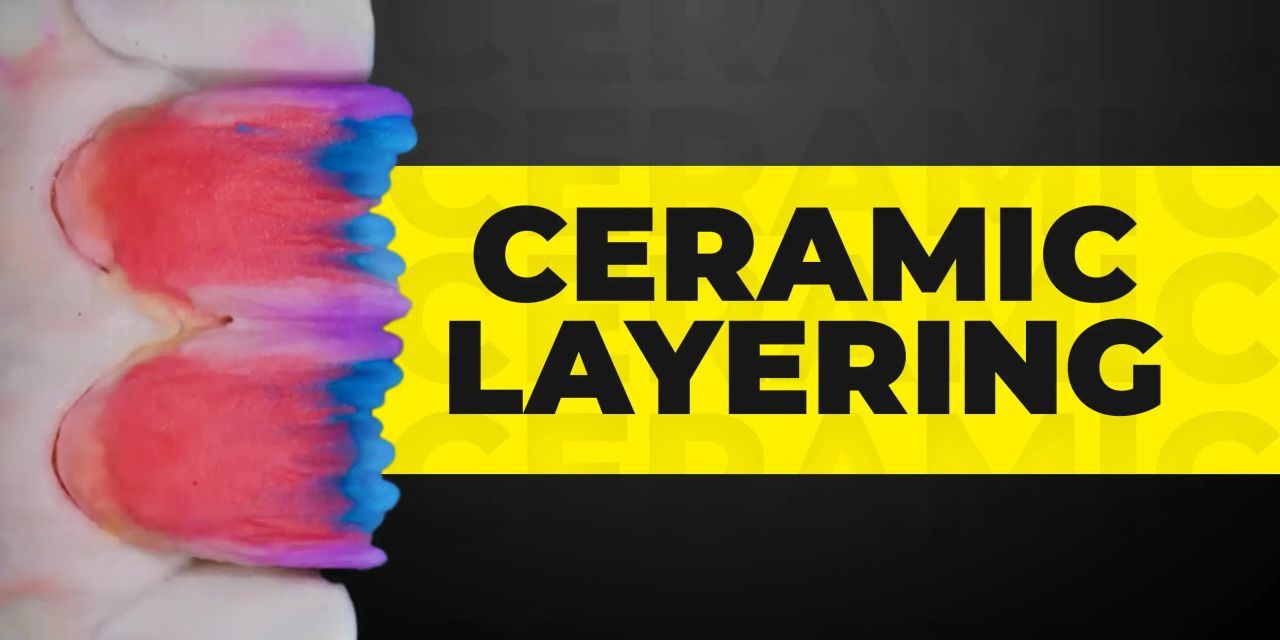
OHI-S Ceramic layering protocols of the world’s leading schools
80 $
Format : 10 videos + 10 audios + 10 file sub vtt, size: 8.75 GB
9 lessons + 1 free (6h 41min)
You will learn how to layer ceramics according to the protocols of the world’s leading schools in a convenient video demonstration format: watch and repeat after the master!
Lecturers will not only tell, but also demonstrate in practice:
– the use of additive layering technique
– the minimal thin layer technique with multilayer zirconia
– internal stain technique.
During the training, you will learn:
– the technique of using contrasting ceramic mixes
– methods of forming the morphology and surface texture
– finishing with handpolishing.
The OHI‑S Ceramic Layering Protocols of the World’s Leading Schools course is best for prosthodontists, restorative dentists, and dental technicians who want structured, training in advanced ceramic layering techniques for aesthetic restorations. It emphasizes protocols from internationally recognized schools of thought, giving participants a comparative and practical perspective on achieving natural, durable results.
Who Should Enroll
Prosthodontists managing complex aesthetic and functional ceramic restorations.
Restorative dentists & general practitioners performing veneers, crowns, and bridges who want to refine their ceramic layering skills.
Dental technicians & ceramists fabricating high‑end restorations and seeking mastery of layering protocols from different schools.
Residents & fellows in prosthodontics or restorative dentistry learning advanced ceramic techniques for clinical and laboratory application.
What You’ll Learn
Layering philosophies: protocols from leading international schools (e.g., German, Italian, Japanese, American approaches).
Material science: understanding ceramic properties, translucency, and shade matching.
Step‑by‑step layering techniques: dentin, enamel, and effect porcelains for natural aesthetics.
Comparative protocols: strengths and nuances of different schools’ approaches.
Clinical integration: how layering choices affect restorative outcomes and patient satisfaction.
Case‑based lessons: demonstrations of veneer, crown, and bridge layering techniques.
+ Topics:
Lesson 1.Theoretical aspects of working with ceramics. Introductory lesson
– Ceramic material options
– Lifelike shading
– Light absorption and light reflection value control
– Achieving individual degrees of translucency
– Ceramic firing: less firing vs multiple firings
– Humidity control
– Сolor recipes
– One bake technique: advantages and disadvantages
– Internal core technique
– Full labial cut-back technique
Recommended for: Prosthodontists, Dental technicians.
Lesson 2.Theoretical aspects of working with ceramics
– Ceramic material options
– Lifelike shading
– Light absorption and light reflection value control
– Achieving individual degrees of translucency
– Ceramic firing: less firing vs multiple firings
– Humidity control
– Сolor recipes
– One bake technique: advantages and disadvantages
– Internal core technique
– Full labial cut-back technique
Recommended for: Prosthodontists, Dental technicians.
Lesson 3.Additive layering technology: video demonstration
– Shape and shade design using the additive layering technique:
– the sequence of ceramic material application
– the technique the dentin layer applying
– the technique the enamel layer applying
– incisor edge processing
– features of applying ceramics on the palatine surface.
– The interproximal contacts correction on the model
– Creating physiological morphology
– Imitation of natural surface textures
– Glaze – corrective firing
– Mechanical polishing for an optimized gloss level.
Recommended for: Prosthodontists, Dental technicians.
Lesson 4.Zirconia build up technique on investment: video demonstration of dentine layer application
– Choice of material and color
– Formation of the spring edge
– Filling in the middle part of the restoration
– Creating an incisor edge: the sequence of applying materials of different colors
– Features of applying the material to the palatine surface
– Application of ceramic material on contact surfaces.
Recommended for: Prosthodontists, Dental technicians.
Lesson 5.Mamelon creation technique
– Evaluation of restoration after baking
– Defining the boundaries of the transparent area
– Materials and tools for creating mamelones
– The sequence of ceramic materials application
– Recommendations for creating a natural effect.
Recommended for: Prosthodontists, Dental technicians.
Lesson 6.Video demonstration of enamel layer applying technique
– Materials for the enamel layer
– Marginal enamel layer application
– Features of applying ceramics to the incisor edge
– Creating the shape of the incisor edge
– Middle enamel part application
– Palatal enamel part application.
Recommended for: Prosthodontists, Dental technicians.
Lesson 7.Correction layer applying technique
– Analysis of the shape of restoration before correction
– Instrumental treatment of restoration
– Correction layer applying technique:
– in the margin part
– in the middle part
– in the incisor edge area
– on the proximal surfaces
– on the palatine surface.
– Creating a Halo effect.
Recommended for: Prosthodontists, Dental technicians.
Lesson 8.The technique of finishing the restoration
– Checking and correcting contacts
– Correction of the restoration shape
– Creating a surface texture
– Final adjustment of the restoration
– Polishing of the restoration.
Recommended for: Prosthodontists, Dental technicians.
Lesson 9.Minimal thin layer technique with Multilayer Zirconia
– Chipped ceramic restorations: risks
– Fractures of ceramic restorations: the causes
– Evolution of ceramic layering techniques
– Selection of ceramic material
– Thin Layer Technique
– Internal stain technique
– Surface treatment before and after glazing
– Advantages of full-layer ceramic restoration.
Recommended for: Prosthodontists, Dental technicians.
Lesson 10.Video tutorial of creating a ceramic crown in the thin layer technique
– Methods of processing ceramic crowns on the model
– Сreation of natural shades of enamel and dentin
– Surface treatment for ceramic application
– Creation of mamelones
– Features of ceramic application in the incisor edge
– Surface morphology: creation of natural unevenness
– 3D stain illusion
– Surface treatment: tools and materials
– How to create defect of restoration.
Recommended for: Prosthodontists, Dental technicians.
Be the first to review “OHI-S Ceramic layering protocols of the world’s leading schools”
You must be logged in to post a review.
Related products
Dental Ebook And Video
FOR Esthetic Soft Tissue – Inaki Gamborena, Patrick Rutten and Luc Rutten
30 $
Dental Ebook And Video
ITI International Team for Implantology Webinar & Video Lectures Package Part-3
50 $
Dental Ebook And Video
Extraction Socket – Preservation/Grafting; Immediate vs Delayed Implants; Pontic Site Development
38 $
Reviews
There are no reviews yet.