
 Occlusion Simplified and Managing Vertical Dimension (7 Parts)
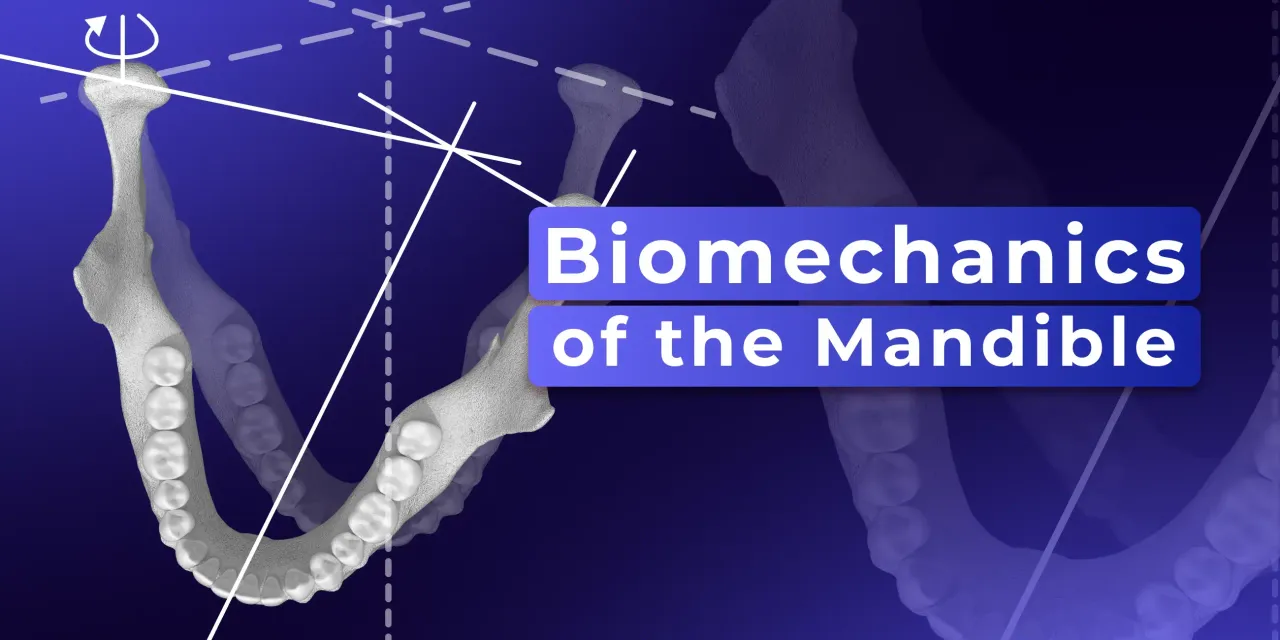
OHI-S Biomechanics of the Mandible Accurate Diagnosis for Successful TMD Treatment
45 $
Format : 4 videos + 4 audios + 4 file sub vtt, size: 2.2 GB
Avoid misdiagnosis and treatment complications in TMD cases by learning the biomechanics of the mandible, diagnostics, and management of TMD with Dr. Davis Thomas!
Dr. Thomas is a leader in the field of orofacial pain in the USA!
During the course, you will learn in detail about:
– Clinical anatomy and biomechanics of the TMJ
– Etiology, pathogenesis, and differential diagnosis of TMDs
– Protocols for the management of TMD, including adjunctive therapy and surgical approaches.
The OHI‑S Biomechanics of the Mandible: Accurate Diagnosis for Successful TMD Treatment course is best for dentists, prosthodontists, orthodontists, oral surgeons, and clinicians specializing in temporomandibular disorders (TMD) who want structured, CE‑accredited training in mandibular biomechanics and evidence‑based diagnostic protocols to improve treatment outcomes.
Who Should Enroll
General dentists & prosthodontists managing patients with occlusal dysfunction and TMD.
Orthodontists integrating mandibular biomechanics into orthodontic treatment planning.
Oral & maxillofacial surgeons treating complex mandibular and joint pathologies.
Dental technicians & lab professionals supporting functional restorations with biomechanical accuracy.
Residents, fellows, and trainees in prosthodontics, orthodontics, or oral surgery seeking foundational knowledge in TMD.
What You’ll Learn
Mandibular biomechanics fundamentals: functional anatomy, occlusion, and joint loading.
Accurate diagnosis protocols: clinical and imaging methods for identifying TMD causes.
Functional vs. pathological movement: differentiating adaptive vs. maladaptive mandibular mechanics.
Treatment planning: evidence‑based approaches for occlusal therapy, splints, and restorative interventions.
Case‑based learning: practical examples of successful TMD management using biomechanical principles.
+ Topics:
Lesson 1.TMJ Anatomy and Biomechanics
– Clinical anatomy and biomechanics of the TMJ
– Key aspects of concise imaging, including appropriate timing for imaging and its analysis
– TMJ pathology: from clinical and radiographic signs to symptoms
– Patient selection and step-by-step protocols for the first appointment
– Red flags and the right approach to facilitate prompt referral.
Recommended for: Functional dentists, General dentists.
Lesson 2.Classification, Etiology, Pathogenesis, and Differential Diagnosis of TMDs
– Clinically based classification of temporomandibular pathology
– Etiology of TMDs: genetics, parafunction, growth, habits, environmental causes, and psychology
– The relationship between occlusion and TMD
– Differential diagnosis of TMDs
– Pathogenesis of TMDs and the structural and functional basis
– Cardinal features of specific diagnoses of TMD.
Recommended for: Functional dentists, General dentists.
Lesson 3.Diagnostic of Systemic Factors and Associated Conditions of TMD
– Broad spectrum of systemic factors that can predispose the patient to TMDs and TMD-associated pain
– TMD treatment failure due to inadequate education on the crucial role of systemic factors in TMD and associated pain
– Multidisciplinary approach in the management of TMD patients
– Dietary and nutritional factors that affect TMD case prognosis
– The connection between sleep disorders and TMDs
– Major systemic factors and symptoms associated with TMD.
Recommended for: Functional dentists, General dentists.
Lesson 4.Management of TMDs: A Clinical Perspective
– Psychological approaches in the management of chronic TMD pain
– Protocols of adjunctive therapy in clinical dental practice:
– Cognitive behavioral therapy
– Botulinum toxin A
– Hyaluronic acid and chondroitin sulfate.
– Protocols for management of TMD related to:
– Restorative dental procedures
– Orthodontic and prosthodontic treatment.
– Protocols for the surgical management of TMDs
– Latest, current, evidence-based perspectives on TMD management
– Analysis of clinical cases.
Recommended for: Functional dentists, General dentists.
Be the first to review “OHI-S Biomechanics of the Mandible Accurate Diagnosis for Successful TMD Treatment”
You must be logged in to post a review.
Related products

Dental Ebook And Video
Rasperini Masterclass: Interproximal Attachment Gain – The Challenge Of Periodontology
89 $
Dental Ebook And Video
Plastic-Esthetic Periodontal and Implant Surgery: The Special DVD Compendium
39 $
Reviews
There are no reviews yet.