

-
×
 Post-Extraction Implants (Video course)
1 × 49 $
Post-Extraction Implants (Video course)
1 × 49 $

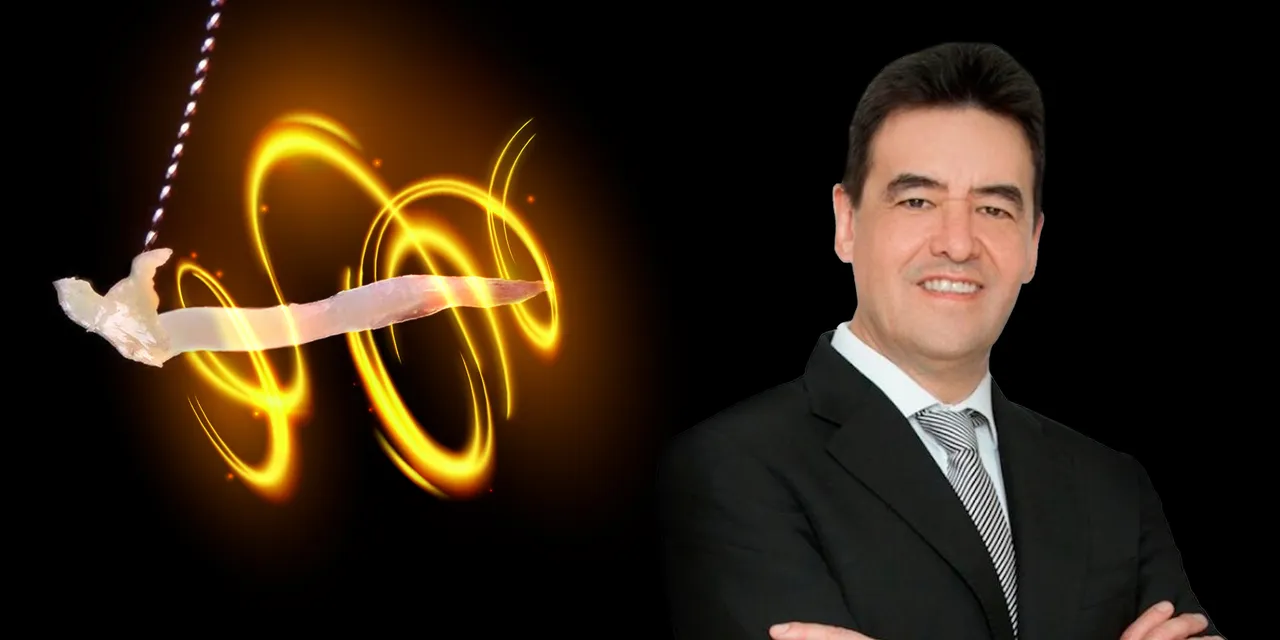
OHI-S Applied endodontics
70 $
Format : 6 videos + 6 audios + 6 file sub vtt, size: 6.57 GB
6 lessons (11h 9min)
A series of webinars on endodontics from Jorge Vera!
In the course you will learn:
– Premedication and local anesthesia techniques
– Relationship of general somatic pathology with toothache
– Protocols for the treatment of periapical lesions
– Features of the appointment of NSAIDs and analgesics
– Protocols for mechanical treatment and desinfection of root canals
– Methods of treatment of endodonto-periodontal lesions
– Protocols for the treatment of severe clinical cases.
The OHI‑S Applied Endodontics course is best for endodontists, general dentists, and dental residents who want structured, training in practical, evidence‑based root canal therapy. It emphasizes hands‑on protocols, modern instrumentation, and clinical decision‑making for predictable outcomes.
Who Should Enroll
Endodontists refining their expertise with advanced techniques and case management strategies.
General dentists performing root canal treatments who want to improve efficiency, safety, and predictability.
Residents & fellows in endodontics seeking structured training in applied clinical protocols.
Prosthodontists & restorative dentists occasionally performing endodontic procedures and needing practical guidance.
Dental technicians & team members supporting clinicians in restorative/endodontic workflows.
What You’ll Learn
Access cavity design: conservative and efficient approaches for different tooth types.
Canal instrumentation: NiTi rotary systems, glide path management, and shaping protocols.
Irrigation protocols: evidence‑based disinfection strategies for complex canal anatomy.
Obturation techniques: thermoplasticized and adhesive methods for long‑term success.
Clinical troubleshooting: managing calcifications, curved canals, and procedural errors.
Case‑based lessons: real patient examples demonstrating applied endodontic principles.
+ Topics:
Lesson 1.Pain control: modern techniques in endodontics
– Premedication before endodontic treatment
– Local anesthetics: the most effective drugs for endodontics
– Refrigerated Anesthetic Theory: fundamentals
– Anesthesia in the mandible and maxilla: features and recommendations
– Innovation in local anesthesia: quick Sleeper
– NSAIDs: benefits and contraindications. Ibuprofen in the treatment of postoperative pain
– Cryotherapy in endodontics
– Endodontic problems and maxillary sinusitis: diagnosis and treatment
– Osteoperiostitis: CBCT diagnostics
– Heat compresses: contraindications
– Antibiotics: principles of prescription and drugs of choice
– Chronic pain syndrome
– Localization of pain: methods of differential diagnosis
– Raynaud’s disease: association with pulp diseases
– Diagnosis of odontogenic and non-odontogenic pain: CBCT
– Occlusal dysesthesia: neurological aspects
– Muscle pain: diagnosis
– Neuropathic pain: criteria for diagnosis and clinical features
– Trigeminal autonomous cephalalgia: clinical manifestations and diagnosis
– Osteonecrosis due to neurological disorder
– Diseases and tumors of the brain: connection with toothache
– Neurovascular changes.
Recommended for: Endodontists, General dentists.
Lesson 2.Periapical pathology: diagnosis, treatment, prognosis
– Formation of periapical lucency: histological aspects
– Theory of cyst formation: pocket and true cysts
– Primary and secondary apical periodontitis
– Endo-periodontal lesions: principles of diagnosis and treatment
– Cholesterol: role in the healing of periapical pathology
– Residual cyst: prognosis
– Actinomycetes: influence on regeneration processes
– Calcification of biofilm at the root: treatment recommendations
– Periapical osteoperiostitis and mucositis: diagnosis
– Asymptomatic apical periodontitis: tactics
– Systemic diseases and medication: effects on healing
– Periapical surgery: tactics and forecast
– Bone grafts: indications for use
– Cement separation: tactics and forecast
– Diagnostic methods: CBCT, X-ray or US
– Treatment plan for periapical pathology: an algorithm of actions.
Recommended for: Endodontists, General dentists.
Lesson 3.Pain control
– NSAIDs: advantages and disadvantages
– Recommendations for premedication
– Local anesthetics: pharmacological aspects and comparative characteristics
– Theory of anaesthetic cooling: principles
– Protocols of local anesthesia: advantages and technique:
– Intraosseous anesthesia
– Anesthesia on the upper jaw
– Anesthesia on the lower jaw.
– Innovations in local anesthesia: kovacaine
– Postoperative pain: time frame
– Treatment of acute pain: NSAIDs or opioids?
– Corticosteroids: indications and contraindications
– Pain development: genetic factors
– Probiotics in the complex treatment of pain
– Cryotherapy in patients with toothache
– Antibiotics: criteria and the validity of the use
– Diagnosis of pain: pain not odontogeniс
– Convergence projection theory: principles
– Pain management techniques
– Palpation of muscles: the basic guidelines
– Not odontogenic pain: types, Differential diagnosis, treatment:
– Neurovascular pain
– Muscle pain
– Claster pain
– Irradiating pain
– Neuropatic pain.
– Dental treatment for orofascial pain.
Recommended for: Endodontists, General dentists.
Lesson 4.Intra-canal infection and disinfection methods
– Root canal disinfection: the main problems
– Cognitive dissonance in endodontics
– Healing potential in patients
– Pragmatic clinical experiences: the value of
– Problems of in vitro research
– The microflora of the root canal: the difficulties of treating additional channels and role E. faecalis in the development of pathology
– Removal of infection from the channel: methods
– Sodium hypochloride: properties and methods of application
– The size and taper of the root canal: impact on the quality of irrigation
– Irrigation rate: optimal values
– Hypochloride accidents: causes and prevention methods
– Irrigation for the entire working length: methods and recommendations
– Irrigation solutions: features
– Activation of irrigation solution
– XP-Endo Finisher: Pros and Cons
– Using cannulas of different diameters: advantages of the technique
– EDTA: Pros and cons. Combination of EDTA and sodium hypochloride
– Chlorhexidine: the effect on the biofilm
– Irrigation protocol
– Choice of sealer and preparation of dentin
– Gentle Wave: Pros and cons
– The calcium hydroxide: principles of application
– Systemic diseases: effects on healing.
Recommended for: Endodontists, General dentists.
Lesson 5.Endodonto-periodontal lesions: diagnosis and treatment
– Periodontal or endodontic problems: diagnostic methods
– CBCT: application criteria and diagnostic algorithm
– CBCT or X-ray: what is More Effective
– Implantation or endodontic treatment: criteria and prognosis
– Diagnosis of root fracture
– Cement separation: diagnosis and treatment methods
– Healing of apical pathology: the role of lateral canals and J. Simon Classification
– Pulpar lesions: clinic, stages of diagnosis
– Diagnosis of lesions in the furcation area
– Periodontal disorders: clinical features, diagnosis
– Combined problems: treatment features
– Criteria for dental survival
– Fracture: CBCT diagnosis, treatment, and prognosis
– Surgical methods for the treatment of endodonto-periodontal lesions
– Blood clot or bone graft: healing of end-to-end defects
– Treatment results: CBCT analysis
– Bone grafting and bone preservation techniques: indications
– Replantation: methods of treatment
– The concept of root conservation: principles.
Recommended for: Endodontists, General dentists.
Lesson 6.Modern concepts of endodontic treatment for the most effective result
– CBCT and X-ray: principles of treatment planning
– CBCT image: interpretation. Findings on CBCT
– Microscope in endodontics: advantages
– Treatment through the crown: criteria
– Conservative and ultra-conservative access
– How to avoid perforation
– Method of finding the MV2 channel
– Lower premolars: features of anatomy and treatment
– Endodontic template: application technique and benefits
– Apical seepage: causes and prognosis
– Restoration via crown or apical surgery
– Treatment of broad channels: methods and recommendations
– Postoperative apical foci: causes
– Integrity: the value for the long-term result
– Selective root healing: a technique
– Blocked root canals:
– A pocket true cyst, and the cyst: the differences and treatment
– Histological justification of the healing of foci
– Foreign bodies in the apical third of the canal
– Isthmus between root canals: tactics.
Recommended for: Endodontists, General dentists.
Be the first to review “OHI-S Applied endodontics”
You must be logged in to post a review.
Related products
Dental Ebook And Video
ITI International Team for Implantology Webinar & Video Lectures Package Part-1 (99 Videos)
60 $
Dental Ebook And Video
60 $


Dental Ebook And Video
FOR Esthetic Soft Tissue – Inaki Gamborena, Patrick Rutten and Luc Rutten
30 $
Dental Ebook And Video
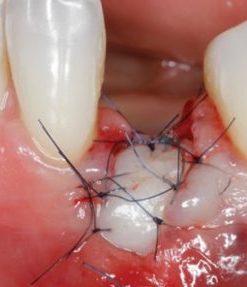
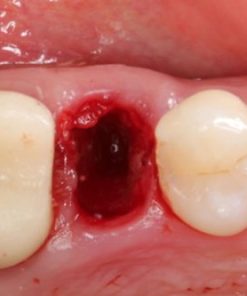
Extraction Socket – Preservation/Grafting; Immediate vs Delayed Implants; Pontic Site Development
38 $
Reviews
There are no reviews yet.