

-
×
 National Diagnostic Imaging Symposium 2015 (CME Videos)
1 × 10 $
National Diagnostic Imaging Symposium 2015 (CME Videos)
1 × 10 $ -
×
 LANGE Radiography Review Flashcards
1 × 5 $
LANGE Radiography Review Flashcards
1 × 5 $ -
×
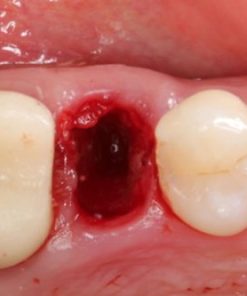 Extraction Socket – Preservation/Grafting; Immediate vs Delayed Implants; Pontic Site Development
1 × 38 $
Extraction Socket – Preservation/Grafting; Immediate vs Delayed Implants; Pontic Site Development
1 × 38 $ -
×
 Black's Medical Dictionary, 43rd Edition (PDF)
1 × 6 $
Black's Medical Dictionary, 43rd Edition (PDF)
1 × 6 $ -
×
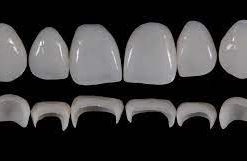 Prosthetic Rehabilitation on Natural Teeth: Predictable, Esthetic and Systematic Steps
1 × 38 $
Prosthetic Rehabilitation on Natural Teeth: Predictable, Esthetic and Systematic Steps
1 × 38 $ -
×
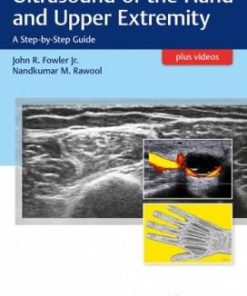 Ultrasound of the Hand and Upper Extremity: A Step-by-Step Guide 1st Edition
1 × 15 $
Ultrasound of the Hand and Upper Extremity: A Step-by-Step Guide 1st Edition
1 × 15 $ -
×
 ECGAcademy: Basic to Advanced Theory + Chalktalk Videos (up to December 2016)
1 × 6 $
ECGAcademy: Basic to Advanced Theory + Chalktalk Videos (up to December 2016)
1 × 6 $ -
×
The New York General Surgery Board Review Course 2014 (CME Videos)
1 × 10 $ -
×
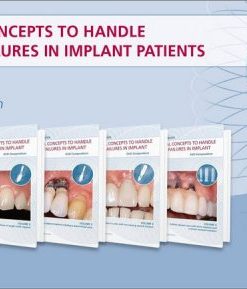 Surgical Concepts to Handle Esthetic Failures in Implant Patients
1 × 28 $
Surgical Concepts to Handle Esthetic Failures in Implant Patients
1 × 28 $ -
×
 Non-Invasive and Additive Prosthodontics Restorations (CME VIDEOS)
1 × 60 $
Non-Invasive and Additive Prosthodontics Restorations (CME VIDEOS)
1 × 60 $ -
×
 Developability of Biotherapeutics: Computational Approaches
1 × 5 $
Developability of Biotherapeutics: Computational Approaches
1 × 5 $ -
×
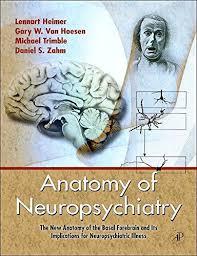 Anatomy of Neuropsychiatry: The New Anatomy of the Basal Forebrain and Its Implications for Neuropsychiatric Illness 1st Edition
1 × 10 $
Anatomy of Neuropsychiatry: The New Anatomy of the Basal Forebrain and Its Implications for Neuropsychiatric Illness 1st Edition
1 × 10 $ -
×
 West's Pulmonary Pathophysiology 9th
1 × 10 $
West's Pulmonary Pathophysiology 9th
1 × 10 $ -
×
 Rasperini Masterclass: Interproximal Attachment Gain – The Challenge Of Periodontology
1 × 89 $
Rasperini Masterclass: Interproximal Attachment Gain – The Challenge Of Periodontology
1 × 89 $ -
×
 Medicines, Ethics and Practice: The Professional Guide for Pharmacists
1 × 4 $
Medicines, Ethics and Practice: The Professional Guide for Pharmacists
1 × 4 $ -
×
 Direct and Indirect Adhesive Restorations
1 × 36 $
Direct and Indirect Adhesive Restorations
1 × 36 $ -
×
 Psychological Insights for Understanding COVID-19 and Media and Technology (PDF)
1 × 4 $
Psychological Insights for Understanding COVID-19 and Media and Technology (PDF)
1 × 4 $ -
×
 Vertical Preparation Protocols: The Complete Guide in 24 Lessons from Tomorrow Tooth
1 × 38 $
Vertical Preparation Protocols: The Complete Guide in 24 Lessons from Tomorrow Tooth
1 × 38 $ -
×
 Field Guide to Wilderness Medicine 4th
1 × 4 $
Field Guide to Wilderness Medicine 4th
1 × 4 $ -
×
 Practical Radiological Anatomy
1 × 10 $
Practical Radiological Anatomy
1 × 10 $ -
×
 Genetic Association Studies: Background, Conduct, Analysis, Interpretation
1 × 10 $
Genetic Association Studies: Background, Conduct, Analysis, Interpretation
1 × 10 $ -
×
Dermatopathology: A Comprehensive Review 2014 (CME Videos)
1 × 10 $


Mayo Clinic Medical Breast Advanced Topics 2022 (CME VIDEOS)
120 $
Format : 44 Videos + 22 PDFs
Mayo Clinic Medical Breast Advanced Topics 2022 (CME VIDEOS)
The Medical Breast Training Program will provide clinicians tools and knowledge to evaluate and manage common breast complaints, to perform personalized risk assessment and risk management and to care for breast cancer survivors. The goal is to educate practitioners in the field about guidelines for screening and diagnosis, risk reduction, genetics, and survivorship.
Participants, through online, pre-recorded lectures and recorded interactive case discussion sessions, will gain practical knowledge about the workup and management of common breast issues, will confidently identify and manage those at risk and will effectively care for survivors, with topics ranging from bone health to sexuality to integrative medicine.
Learners can choose to enroll in the Medical Breast Clinical Care Series and/or Medical Breast Advanced Topics to conveniently access the information most relevant for their practice.
Target Audience
This program is designed for the specialty groups of for Medical Oncologists, Women’s Health, Family Medicine, and Primary Care. Content is designed for physicians, NP, PA , RN and Allied Health professionals.
Learning Objectives
Attendance at any Mayo Clinic course does not indicate or guarantee competence or proficiency in the skills, knowledge or performance of any care or procedure(s) which may be discussed or taught in this course.
- Describe the difference between non-invasive and invasive breast cancer including surgical options for early-stage breast cancer.
- Review updates in breast reconstruction for cancer patients.
- Describe healthcare needs for breast cancer survivors.
- Identify safe and effective treatments that may improve symptoms commonly seen in survivors including vasomotor symptoms, sexual dysfunction, lymphedema, and mental health concerns.
- Describe the role of healthy lifestyle habits including regular exercise, healthy diet, alcohol, and tobacco avoidance as it relates to breast cancer prevention and reduction in recurrence risk.
- Associate the risk of hormone use on patients with a high risk of breast cancer or a history of breast cancer who wish to use hormones for local or systemic therapy.
- Review commonly used types of chemotherapy regimens, outline frequent intervals utilized for various chemotherapy regimens, and briefly list immediate and late effects of chemotherapy.
- Summarize guidelines-based surveillance breast imaging recommendations for patients following lumpectomy, unilateral mastectomy, and bilateral mastectomy.
Program : Click here
File Size : 17.41 GB
Related products


