

-
×
The New York General Surgery Board Review Course 2014 (CME Videos)
1 × 10 $ -
×
 History of Infectious Disease Pandemics in Urban Societies
1 × 4 $
History of Infectious Disease Pandemics in Urban Societies
1 × 4 $ -
×
UCSF Radiology – Interventional Review 2015 (CME Videos)
1 × 10 $ -
×
 The Brigham Board Review in Pulmonary Medicine 2016 (CME Videos)
1 × 10 $
The Brigham Board Review in Pulmonary Medicine 2016 (CME Videos)
1 × 10 $ -
×
UCSF Neuro and Musculoskeletal Imaging 2014 (CME Videos)
1 × 10 $ -
×
 Orthopaedic Surgery Board Review 2015 (CME Videos)
1 × 10 $
Orthopaedic Surgery Board Review 2015 (CME Videos)
1 × 10 $

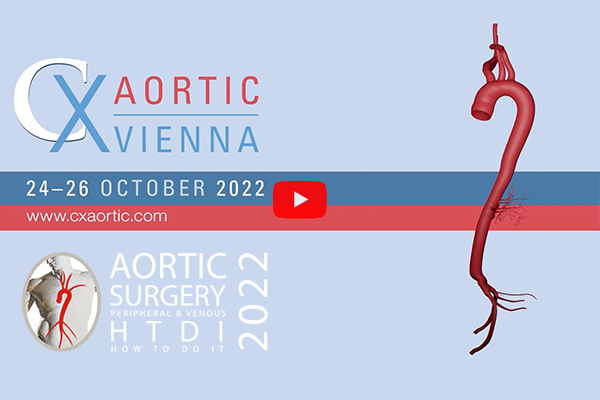
CX Aortic Live 2022
20 $
Format : 136 videos, size: 35.89 GB
A live-case–driven meeting focused exclusively on aortic disease. CX Aortic Live 2022 showcases contemporary open, endovascular, and hybrid strategies across thoracic, abdominal, and aorto-iliac pathology, translating real-time procedural insights into everyday practice.
What You Will Learn
Patient selection and planning for EVAR/TEVAR, complex (fenestrated/branched) solutions, and hybrid repairs
Imaging-led decision making: CTA/MRA planning, center-line measurements, device sizing, and seal-zone optimization
Access management, wire/catheter tactics, and adjuncts for difficult anatomy (hostile neck, tortuosity, calcification)
Prevention and management of complications: endoleaks, rupture, retrograde dissection, spinal cord ischemia, renal/visceral ischemia
Surveillance protocols, reintervention thresholds, and durability considerations
Event Details
Format: Live cases with expert commentary, “how-I-do-it” talks, panel debates, and audience Q&A
Structure: Thematic blocks (thoracic, abdominal, complex, complications, follow-up) with practical take-home checklists
Access: Designed for immediate implementation in both academic and community centers
Who Should AttendVascular and endovascular surgeons, interventional radiologists/cardiologists, aortic program leads, imaging specialists, nurses/APPs, cath/OR staff, and trainees seeking concentrated, case-based aortic education.
Why Attend
Watch high-stakes procedures performed by expert teams and learn step-by-step tactics
Convert cutting-edge device and imaging advances into reproducible workflows
Bring back protocols that improve safety, efficiency, and long-term outcomes in aortic care
+ Topics
*Note: these are continuous video recordings during the conference, they include individual lectures mentioned in the Detail section below
TEVAR: zone landing strategies, arch work, left subclavian management, dissection and aneurysm care
EVAR: neck challenges, iliac branch solutions, rupture and mycotic aneurysm approaches
Complex aortic repair: FEVAR/BEVAR planning, alignment techniques, bridging stents, bailout maneuvers
Access & adjuncts: percutaneous vs. surgical access, large-bore closure, embolization strategies
Complications & QI: endoleak classification/management, SCI prevention, renal protection, radiation/contrast safety
Follow-up: imaging surveillance, sac behavior, endograft durability, reintervention algorithms
*Detail: Program
Be the first to review “CX Aortic Live 2022”
You must be logged in to post a review.
Related products




Reviews
There are no reviews yet.