



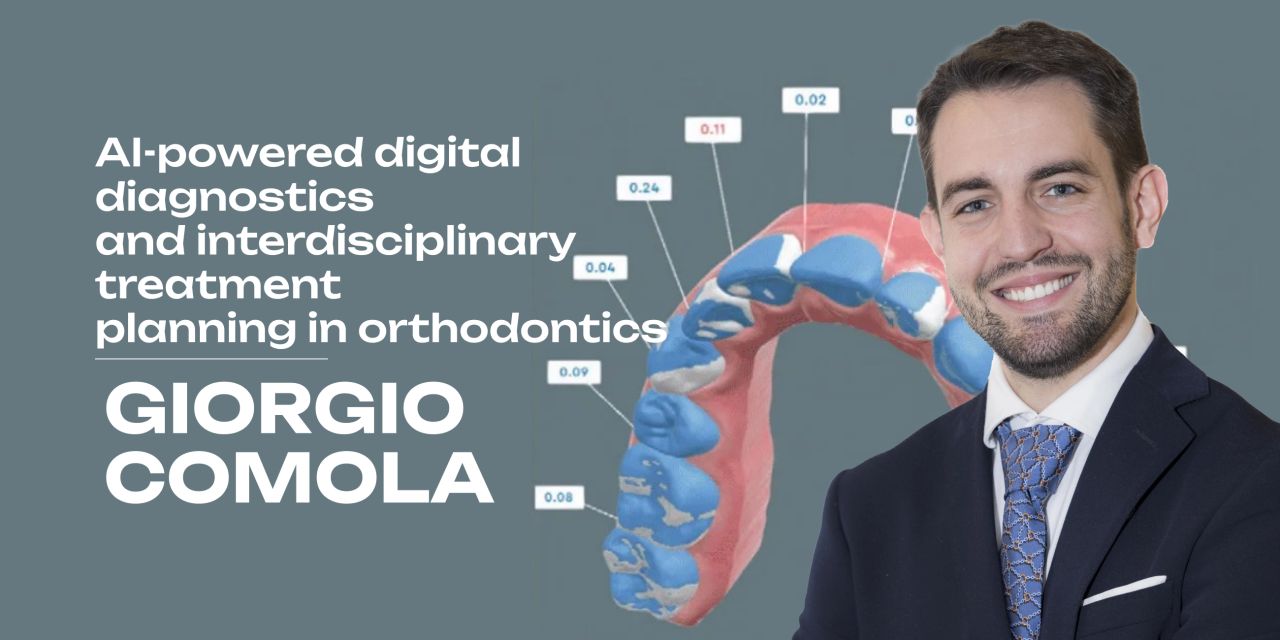
OHI-S AI-powered digital diagnostics and interdisciplinary treatment planning in orthodontics 3 lessons 2h 44m
30 $
Format : Videos + PDF
The “AI-powered digital diagnostics and interdisciplinary treatment planning in orthodontics” course is a 2-hour and 44-minute online program (spanning 3 lessons). It outlines a practical digital workflow combining AI diagnostics, 3D records, and interdisciplinary planning to help clinicians organize complex information, identify potential risks, and build treatment strategies centered around final restorative, functional, and esthetic objectives.
Learning Objectives
AI-assisted diagnostics and decision-making in digital orthodontics
Integrating intraoral scans, radiographs, facial and smile analysis, and occlusal data
Identifying diagnostic risks and treatment limitations before planning
Digital treatment planning for aligner orthodontics
Connecting aligner tooth movements with restorative, prosthetic, implant, and periodontal objectives
Using digital setups to coordinate interdisciplinary treatment
Integrating functional, esthetic, and facial objectives into orthodontic planning
Improving communication between orthodontists, prosthodontists, periodontists, surgeons, and technicians
Anticipating clinical compromises and improving treatment predictability
Building a structured digital workflow from diagnosis to final rehabilitation
Target Audience
This program is designed for dental clinicians involved in digital orthodontics, aligner treatment planning, and comprehensive dental rehabilitation cases requiring coordinated care.
Best for Orthodontists, Prosthodontists, Periodontists, Oral Surgeons, Restorative Dentists, and Dental Technicians.
Topics
Lesson 1. AI-Powered Digital Diagnostics in Orthodontics
The evolution of digital orthodontic records
Connecting scans, radiographs, facial analysis, occlusion, and treatment objectives
AI in Orthodontic Diagnosis:
Where AI can support clinical decision-making
AI-assisted identification of risks and diagnostic patterns
The limits of AI and the role of clinical judgment
Building a Structured Digital Diagnostic Workflow:
Intraoral scans and digital models
Radiographic and facial records
Occlusal and functional assessment
Integrating multiple data sources into one diagnostic picture
Lesson 2. Beyond the Scan: AI and Digital Diagnostics in Modern Orthodontics. From Data Integration to Clinical Decision-Making
The evolution of digital orthodontic records
Why collecting data is not the same as understanding it
Connecting scans, radiographs, facial analysis, occlusion, and treatment objectives
AI in Orthodontic Diagnosis:
Where AI can support clinical decision-making
AI-assisted identification of risks and diagnostic patterns
The limits of AI and the role of clinical judgment
Building a Structured Digital Diagnostic Workflow:
Intraoral scans and digital models
Radiographic and facial records
Occlusal and functional assessment
Integrating multiple data sources into one diagnostic picture
Translating digital findings into clinical decisions
Connecting anatomy, function, esthetics, and treatment objectives
Using digital tools to improve treatment predictability
Preventing problems before they appear during treatment
Digital Visualization and Patient Communication:
Making complex diagnostic findings easier to understand
Using 3D visualization to explain treatment limitations and risks
Improving patient engagement and treatment acceptance
Practical Digital Diagnosis Checklist:
Key records to review before treatment
Essential diagnostic questions
Final verification before starting aligner or orthodontic treatment
Creating a repeatable workflow for daily clinical practice
Lesson 3. The Digital Treatment Blueprint: Interdisciplinary Planning for Predictable Orthodontic Outcomes
Principles of interdisciplinary digital treatment planning
Defining the final prosthetic, restorative, and esthetic goal
Integrating facial, smile, and occlusal analysis
Planning tooth movement around prosthetic and implant requirements
Digital setup as a tool for interdisciplinary communication
Coordinating orthodontic, periodontal, surgical, and restorative objectives
Identifying treatment limitations and the need for interdisciplinary intervention
Anticipating clinical compromises through digital planning
Step-by-step workflow for interdisciplinary case planning
From digital treatment blueprint to final rehabilitation
Be the first to review “OHI-S AI-powered digital diagnostics and interdisciplinary treatment planning in orthodontics 3 lessons 2h 44m”
You must be logged in to post a review.
Related products




Reviews
There are no reviews yet.