


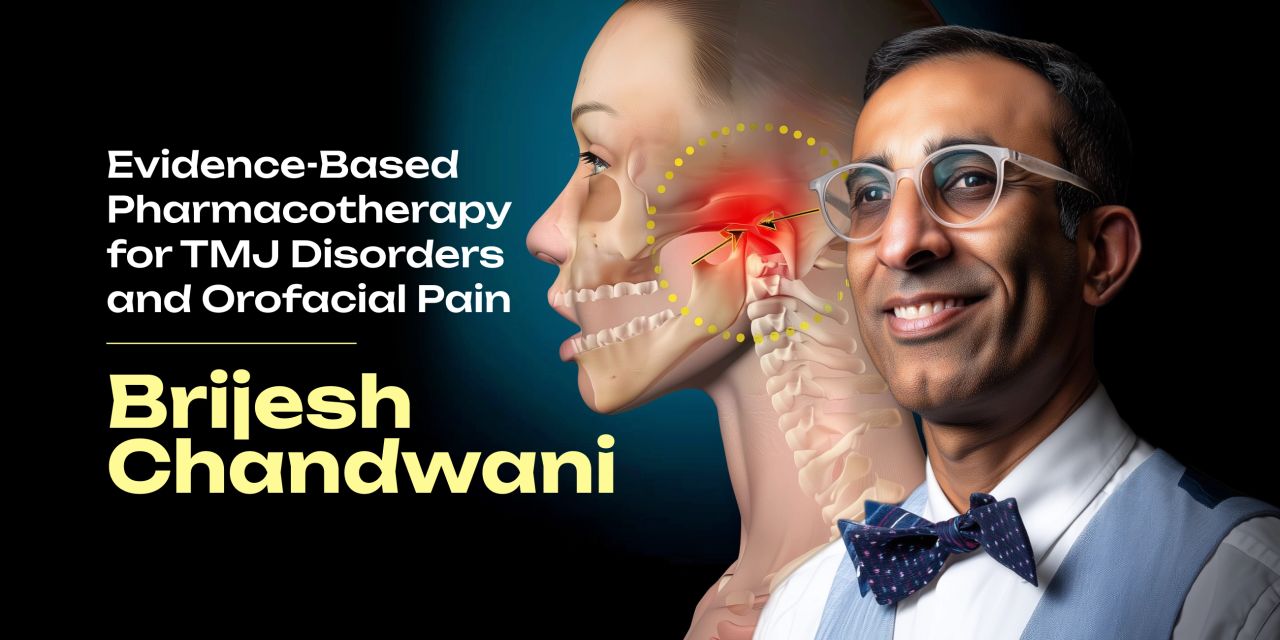
OHI-S Evidence-Based Pharmacotherapy for TMJ Disorders and Orofacial Pain 3 lessons 50m
30 $
Format : Videos + PDF
The “Evidence-Based Pharmacotherapy for TMJ Disorders and Orofacial Pain” course is a 50-minute, clinically focused program consisting of three comprehensive lessons. It provides a structured approach to the classification, differential diagnosis, and pharmacological management of acute and chronic orofacial pain and TMJ disorders, delivering evidence-based treatment strategies and current clinical recommendations.
Learning Objectives
Perform differential diagnosis and apply treatments for various orofacial pain conditions.
Evaluate and utilize pharmacotherapeutic options for TMJ disorders, including oral, injectable, and topical medications.
Implement the clinical use of NSAIDs, corticosteroids, and muscle relaxants safely and effectively.
Identify medications to avoid (such as opioids, benzodiazepines, and barbiturates) and understand key considerations for safe prescribing.
Analyze the pharmacokinetics and pharmacodynamics of commonly prescribed medications.
Develop pharmacotherapy strategies for chronic orofacial pain using antidepressants, antiepileptics, and antihypertensive medications.
Formulate both short- and long-term treatment strategies for effective pain management.
Target Audience
This course is designed for dental and healthcare professionals seeking a structured approach to the diagnosis and pharmacological management of acute and chronic orofacial pain conditions.
Best for Dentists, Oral and Maxillofacial Surgeons, Orofacial Pain Specialists, Pharmacists, and Primary Care Physicians.
Topics
Lesson 1. Differential Diagnosis and Treatment of Orofacial Pain
Classification and clinical assessment of orofacial pain
Differential diagnosis of common orofacial pain conditions
Evidence-based diagnostic and treatment approaches
Current clinical recommendations and treatment guidelines
Lesson 2. Pharmacotherapeutics for TMJ Disorders
Pharmacological management of TMJ disorders
Oral medications: NSAIDs, corticosteroids, and muscle relaxants
Injectable therapies for TMJ-related conditions
Topical medications and local pharmacological approaches
Headache and pain abortive medications
Indications, treatment protocols, and clinical considerations
Medications to avoid: opioids, benzodiazepines, and barbiturates
NSAIDs: pharmacokinetics and pharmacodynamics
Clinical application of NSAIDs in short-term treatment strategies
Long-term NSAID use: indications, limitations, and clinical considerations
Safe and evidence-based pharmacological decision-making
Lesson 3. Skeletal Muscle Relaxants and Pharmacotherapy for Chronic Orofacial Pain
Skeletal muscle relaxants: pharmacokinetics and pharmacodynamics
Clinical indications and application of muscle relaxants
Pharmacotherapeutic strategies for chronic orofacial pain
Antidepressants in the management of chronic pain
Antiepileptic medications for chronic pain management
Antihypertensive medications and their clinical applications
Be the first to review “OHI-S Evidence-Based Pharmacotherapy for TMJ Disorders and Orofacial Pain 3 lessons 50m”
You must be logged in to post a review.
Related products




Reviews
There are no reviews yet.