

-
×
 Learning Radiology: Recognizing the Basics
1 × 5 $
Learning Radiology: Recognizing the Basics
1 × 5 $ -
×
 Atlas of Ultrasound-Guided Musculoskeletal Injections (Atlas Series) 1st Edition
1 × 10 $
Atlas of Ultrasound-Guided Musculoskeletal Injections (Atlas Series) 1st Edition
1 × 10 $ -
×
 Human Brain Stem Vessels: Including the Pineal Gland and Information on Brain Stem Infarction 2nd ed. 1999 Edition
1 × 10 $
Human Brain Stem Vessels: Including the Pineal Gland and Information on Brain Stem Infarction 2nd ed. 1999 Edition
1 × 10 $ -
×
 Teaching Cultural Competence in Nursing and Health Care, Third Edition: Inquiry, Action, and Innovation
1 × 4 $
Teaching Cultural Competence in Nursing and Health Care, Third Edition: Inquiry, Action, and Innovation
1 × 4 $ -
×
 Lippincott's Concise Illustrated Anatomy: Volume 3: Head & Neck
1 × 4 $
Lippincott's Concise Illustrated Anatomy: Volume 3: Head & Neck
1 × 4 $ -
×
 Genitourinary Radiology Sixth Edition
1 × 20 $
Genitourinary Radiology Sixth Edition
1 × 20 $ -
×
 Renal Physiology: A Clinical Approach (Integrated Physiology Series)
1 × 4 $
Renal Physiology: A Clinical Approach (Integrated Physiology Series)
1 × 4 $ -
×
 101+ Careers in Public Health, 2nd Edition
1 × 5 $
101+ Careers in Public Health, 2nd Edition
1 × 5 $ -
×
 Neurological Emergencies in Clinical Practice (EPUB)
1 × 5 $
Neurological Emergencies in Clinical Practice (EPUB)
1 × 5 $ -
×
 Textbook of Endocrine Physiology 6th
1 × 6 $
Textbook of Endocrine Physiology 6th
1 × 6 $ -
×
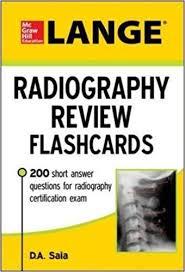 LANGE Radiography Review Flashcards
1 × 5 $
LANGE Radiography Review Flashcards
1 × 5 $ -
×
 Merrill's Atlas of Radiographic Positioning and Procedures: 3-Volume
1 × 10 $
Merrill's Atlas of Radiographic Positioning and Procedures: 3-Volume
1 × 10 $ -
×
 Genetics: From Genes to Genomes, 7th Edition (PDF)
1 × 15 $
Genetics: From Genes to Genomes, 7th Edition (PDF)
1 × 15 $


When Care is Conditional: Immigrants and the U.S. Safety Net (PDF)
5 $
Format: Publisher PDF
File Size : 1.9 MB
Publication Year: 2024
By Dani Carrillo From its inception, the public safety net in the United States has excluded many people because of their race, gendered roles, or other factors. As a result, they must prove their moral worthiness to get resources for themselves and their families. In When Care Is Conditional, sociologist Dani Carrillo reveals the ramifications of this conditional safety net by focusing on one particularly vulnerable population: undocumented immigrants. Through in-depth interviews with Latinx immigrants in northern California, Carrillo examines three circumstances—place, gender, and immigration status—that intersect to influence an individual’s access to health care, food assistance, and other benefits. She demonstrates that place of residence affects undocumented immigrants’ ability to get care since more services are available in urban areas, where many immigrants cannot afford to live, than suburban areas, where public transportation is limited. She also shows that while both men and women who are undocumented have difficulty obtaining care, men often confront more challenges. Undocumented women who are pregnant or mothers are eligible for some government safety net programs and rely on informal coethnic networks or a “guiding figure”—a relative, friend, neighbor, or coworker—who explains how to get care and makes them feel confident in accessing it. Most undocumented men, in contrast, are not eligible for public programs except in a medical emergency and often lack someone to guide them directly to care. Men sometimes steer one another to jobs through worker centers—where they may learn about various services and take advantage of those that increase their employability, like English or computer classes—but a culture of masculinity leads them to downplay medical problems and seek health care only in a crisis. As undocumented immigrants navigate this exclusionary system, Carrillo finds that they resist the rhetoric stigmatizing them as lawbreakers. Dismissing the importance of “papers” and highlighting their work ethic, they question the fairness of U.S. immigration policies and challenge ideas about who deserves care. Carrillo offers concrete recommendations, such as improving labor conditions and reexamining benefit eligibility, to increase access to care for not only undocumented immigrants but also people who have been excluded because of their race, criminal record, gender identity, sexual orientation, or disability. She argues that working with and across populations creates a powerful form of solidarity in advocating for inclusive care. When Care Is Conditional provides compelling insights into how safety net and immigration policies intersect to affect people’s everyday lives and calls for a cultural shift so that the United States can provide unconditional care for all.
Product Details
Publisher : Russell Sage Foundation (January 8, 2024)
Language : English
Paperback : 213 pages
ISBN-10 : 0871544741
ISBN-13 : 978-0871544742
Be the first to review “When Care is Conditional: Immigrants and the U.S. Safety Net (PDF)”
You must be logged in to post a review.
Related products


10 $


Reviews
There are no reviews yet.