

-
×
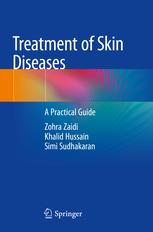 Treatment of Skin Diseases: A Practical Guide 1st ed. 2019 Edition
1 × 10 $
Treatment of Skin Diseases: A Practical Guide 1st ed. 2019 Edition
1 × 10 $ -
×
 Safety Concerns for Herbal Drugs
1 × 4 $
Safety Concerns for Herbal Drugs
1 × 4 $ -
×
 First Aid Step 1 Express Videos 2015 (USMLE-Rx)
1 × 5 $
First Aid Step 1 Express Videos 2015 (USMLE-Rx)
1 × 5 $ -
×
 Arbeitgeber Patient – Kundenorientierung in Gesundheitsberufen
1 × 10 $
Arbeitgeber Patient – Kundenorientierung in Gesundheitsberufen
1 × 10 $ -
×
 Genetic Association Studies: Background, Conduct, Analysis, Interpretation
1 × 10 $
Genetic Association Studies: Background, Conduct, Analysis, Interpretation
1 × 10 $ -
×
 Diagnosis of Endometrial Biopsies and Curettings: A Practical Approach
1 × 10 $
Diagnosis of Endometrial Biopsies and Curettings: A Practical Approach
1 × 10 $ -
×
 Neurological Emergencies in Clinical Practice (EPUB)
1 × 5 $
Neurological Emergencies in Clinical Practice (EPUB)
1 × 5 $ -
×
 Head and Neck Cancer: An Evidence-Based Team Approach
1 × 4 $
Head and Neck Cancer: An Evidence-Based Team Approach
1 × 4 $ -
×
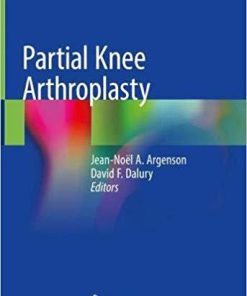 Partial Knee Arthroplasty 1st ed. 2019 Edition
1 × 10 $
Partial Knee Arthroplasty 1st ed. 2019 Edition
1 × 10 $ -
×
 Surgical Anatomy of the Ocular Adnexa: A Clinical Approach (Ophthalmology Monographs)
1 × 6 $
Surgical Anatomy of the Ocular Adnexa: A Clinical Approach (Ophthalmology Monographs)
1 × 6 $ -
×
 Goodman and Gilman's The Pharmacological Basis of Therapeutics, 12th Edition
1 × 4 $
Goodman and Gilman's The Pharmacological Basis of Therapeutics, 12th Edition
1 × 4 $
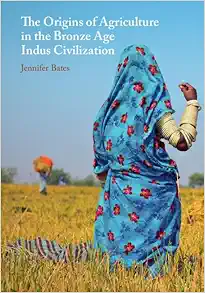
The Origins of Agriculture in the Bronze Age Indus Civilization (PDF)
10 $
Format: Publisher PDF
File Size : 11.5 MB
By Jennifer Bates The Indus civilization in South Asia (c. 320 – 1500BC) was one of the most important Old World Bronze Age cultures. Located at the cross-roads of Asia, in modern Pakistan and India, it encompassed ca. one million square kilometers, making it one the largest and most ecologically, culturally, socially, and economically complex among contemporary civilisations. In this study, Jennifer Bates offers new insights into the Indus civilisation through an archaeobotanical reconstruction of its environment. Exploring the relationship between people and plants, agricultural systems, and the foods that people consumed, she demonstrates how the choices made by the ancient inhabitants were intertwined with several aspects of society, as were their responses to social and climate changes. Bates’ book synthesizes the available data on genetics, archaeobotany, and archaeology. It shows how the ancient Indus serves as a case study of a civilization navigating sustainability, resilience and collapse in the face of changing circumstances by adapting its agricultural practices.
Product Details
Publisher : Cambridge University Press
Publication date : March 6, 2025
Language : English
ISBN-10 : 1009424440
ISBN-13 : 978-1009424448
Be the first to review “The Origins of Agriculture in the Bronze Age Indus Civilization (PDF)”
You must be logged in to post a review.
Related products




Reviews
There are no reviews yet.