
-
×
 The Pharmacist Guide to Implementing Pharmaceutical Care
1 × 10 $
The Pharmacist Guide to Implementing Pharmaceutical Care
1 × 10 $ -
×
 Diagnosis of Endometrial Biopsies and Curettings: A Practical Approach
1 × 10 $
Diagnosis of Endometrial Biopsies and Curettings: A Practical Approach
1 × 10 $ -
×
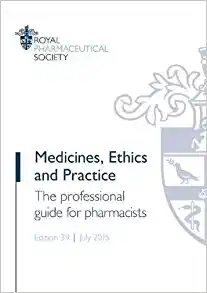 Medicines, Ethics and Practice: The Professional Guide for Pharmacists
1 × 4 $
Medicines, Ethics and Practice: The Professional Guide for Pharmacists
1 × 4 $ -
×
 Adolescents with Chronic Kidney Disease
1 × 10 $
Adolescents with Chronic Kidney Disease
1 × 10 $ -
×
 West's Pulmonary Pathophysiology 9th
1 × 10 $
West's Pulmonary Pathophysiology 9th
1 × 10 $ -
×
 Goodman and Gilman's The Pharmacological Basis of Therapeutics, 12th Edition
1 × 4 $
Goodman and Gilman's The Pharmacological Basis of Therapeutics, 12th Edition
1 × 4 $ -
×
 Lippincott's Concise Illustrated Anatomy: Volume 1: Back, Upper Limb and Lower Limb
1 × 4 $
Lippincott's Concise Illustrated Anatomy: Volume 1: Back, Upper Limb and Lower Limb
1 × 4 $ -
×
 Pharmacology of Ocular Therapeutics (PDF)
1 × 4 $
Pharmacology of Ocular Therapeutics (PDF)
1 × 4 $ -
×
 101+ Careers in Public Health, 2nd Edition
1 × 5 $
101+ Careers in Public Health, 2nd Edition
1 × 5 $



The DNA, RNA, and Histone Methylomes (RNA Technologies) 1st ed. 2019 Edition
18 $
by
The DNA, RNA, and Histone Methylomes (RNA Technologies) 1st ed. 2019 Edition
by
This book reviews the chemical, regulatory, and physiological mechanisms of protein arginine and lysine methyltransferases, as well as nucleic acid methylations and methylating enzymes. Protein and nucleic acid methylation play key and diverse roles in cellular signalling and regulating macromolecular cell functions.
Protein arginine and lysine methyltransferases are the predominant enzymes that catalyse S-adenosylmethionine (SAM)-dependent methylation of protein substrates. These enzymes catalyse a nucleophilic substitution of a methyl group to an arginine or lysine side chain nitrogen (N) atom. Cells also have additional protein methyltransferases, which target other amino acids in peptidyl side chains or N-termini and C-termini, such as glutamate, glutamine, and histidine. All these protein methyltransferases use a similar mechanism. In contrast, nucleic acids (DNA and RNA) are substrates for methylating enzymes, which employ various chemical mechanisms to methylate nucleosides at nitrogen (N), oxygen (O), and carbon (C) atoms.
This book illustrates how, thanks to there ability to expand their repertoire of functions to the modified substrates, protein and nucleic acid methylation processes play a key role in cells.
Product Details
|
Related products


5 $