

-
×
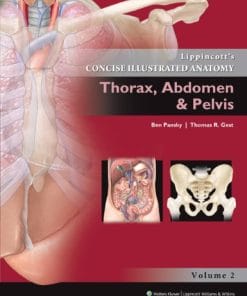 Lippincott's Concise Illustrated Anatomy: Volume 2: Thorax, Abdomen & Pelvis
1 × 4 $
Lippincott's Concise Illustrated Anatomy: Volume 2: Thorax, Abdomen & Pelvis
1 × 4 $ -
×
 First Aid Step 1 Express Videos 2015 (USMLE-Rx)
1 × 5 $
First Aid Step 1 Express Videos 2015 (USMLE-Rx)
1 × 5 $ -
×
 Atlas of Early Zebrafish Brain Development: A Tool for Molecular Neurogenetics
1 × 5 $
Atlas of Early Zebrafish Brain Development: A Tool for Molecular Neurogenetics
1 × 5 $ -
×
 Head and Neck Cancer: An Evidence-Based Team Approach
1 × 4 $
Head and Neck Cancer: An Evidence-Based Team Approach
1 × 4 $ -
×
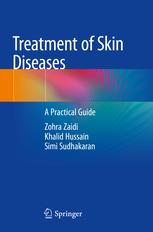 Treatment of Skin Diseases: A Practical Guide 1st ed. 2019 Edition
1 × 10 $
Treatment of Skin Diseases: A Practical Guide 1st ed. 2019 Edition
1 × 10 $ -
×
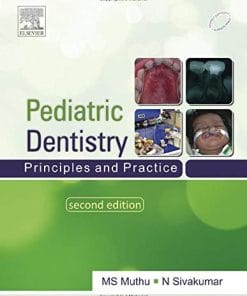 Paediatric Dentistry: Principles and Practice, 2nd Edition (PDF)
1 × 4 $
Paediatric Dentistry: Principles and Practice, 2nd Edition (PDF)
1 × 4 $ -
×
 Partial Knee Arthroplasty
1 × 10 $
Partial Knee Arthroplasty
1 × 10 $ -
×
 Airway Stenting in Interventional Radiology 1st ed. 2019 Edition
1 × 10 $
Airway Stenting in Interventional Radiology 1st ed. 2019 Edition
1 × 10 $ -
×
 The Pharmacist Guide to Implementing Pharmaceutical Care
1 × 10 $
The Pharmacist Guide to Implementing Pharmaceutical Care
1 × 10 $ -
×
 Mechanical Ventilation in Emergency Medicine
1 × 10 $
Mechanical Ventilation in Emergency Medicine
1 × 10 $

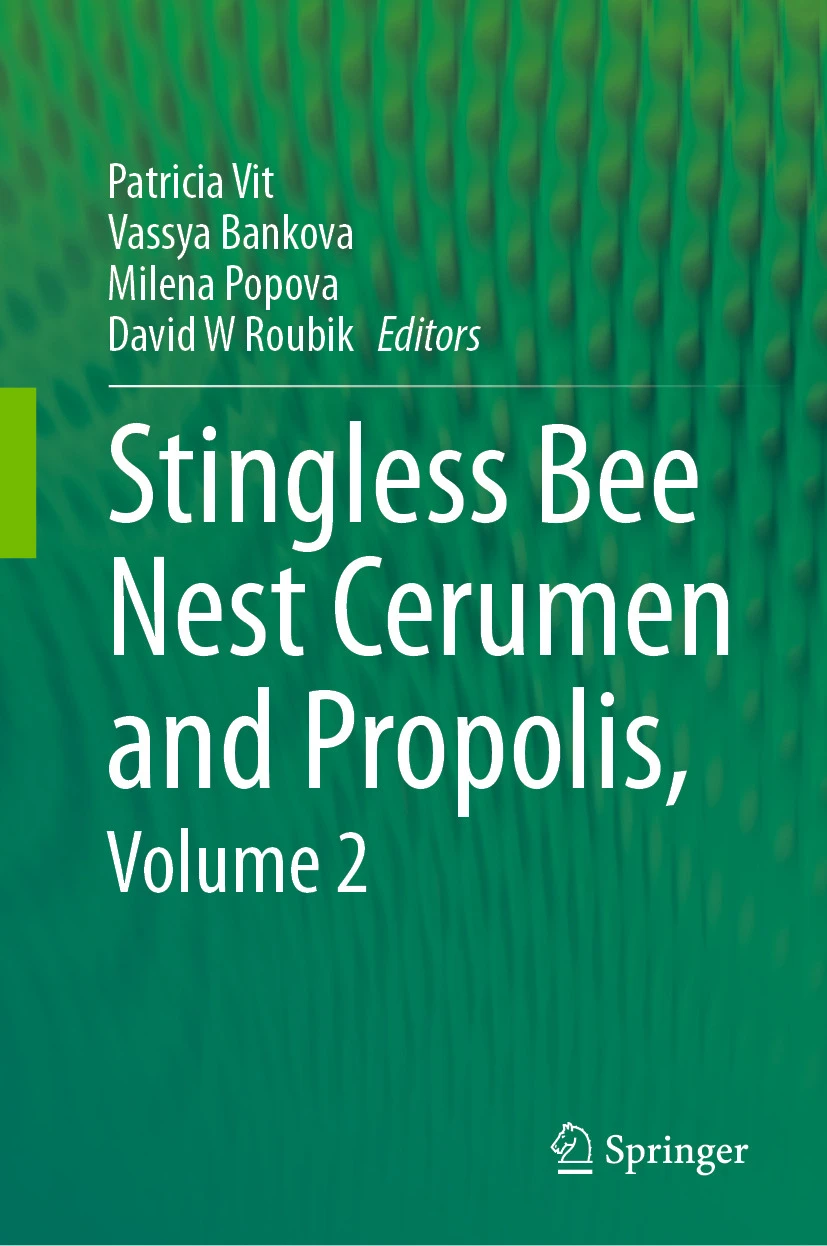
Stingless Bee Nest Cerumen and Propolis, Volume 2
6 $
Format : Publisher PDF
Meliponini, the stingless bees of the tropics, process and store honey, pollen and plant resins to maintain their colonies. The chemical components of their nests are bioactive and believed to be therapeutic for a long list of maladies. However, only recently are tests and analyses being done with molecular and modern laboratory techniques, such as high throughput EDX, HPIC, HPLC, GC, NMR, PCR, and ultrastructural SEM; coupled with diverse detectors such as DAD, RI, MS, SCD.This two-volume book is about the cerumen –plant resins mixed with stingless bee wax– and propolis, which fortify the colony in ways that are beginning to be understood. It includes reviews and new research on diverse topics involving the chemistry and bioactivity of plant resins, cerumen, propolis, besides bee and microbe behavior and ecology. These analytic studies are presented along with stingless bee biodiversity, palynology, cultural knowledge, bee foraging behavior, resin flower evolution, ecology, and evolution of nest microbe mutualisms, social immunity, human health, the decisive role of microbiology investigation in moving forward, natural history of stingless bee colonies and nests, marketing, and bibliometrics for plant resin use by bees, propolis, and the Starmerella yeast.
Product Details:
Number of Pages: XXXVIII, 501
Be the first to review “Stingless Bee Nest Cerumen and Propolis, Volume 2”
You must be logged in to post a review.
Related products

10 $





Reviews
There are no reviews yet.