

-
×
 Neurovascular Surgery: Surgical Approaches for Neurovascular Diseases
1 × 10 $
Neurovascular Surgery: Surgical Approaches for Neurovascular Diseases
1 × 10 $ -
×
 Spencer's Pathology of the Lung 6th, 2 Part Set
1 × 4 $
Spencer's Pathology of the Lung 6th, 2 Part Set
1 × 4 $ -
×
 Pocket Guide Schmerztherapie: Soforthilfe bei den häufigsten Schmerzzuständen
1 × 10 $
Pocket Guide Schmerztherapie: Soforthilfe bei den häufigsten Schmerzzuständen
1 × 10 $ -
×
 Goodman and Gilman's The Pharmacological Basis of Therapeutics, 12th Edition
1 × 4 $
Goodman and Gilman's The Pharmacological Basis of Therapeutics, 12th Edition
1 × 4 $ -
×
 Mechanical Ventilation in Emergency Medicine
1 × 10 $
Mechanical Ventilation in Emergency Medicine
1 × 10 $ -
×
 Advances in Psychiatry 1st ed. 2019 Edition
1 × 10 $
Advances in Psychiatry 1st ed. 2019 Edition
1 × 10 $


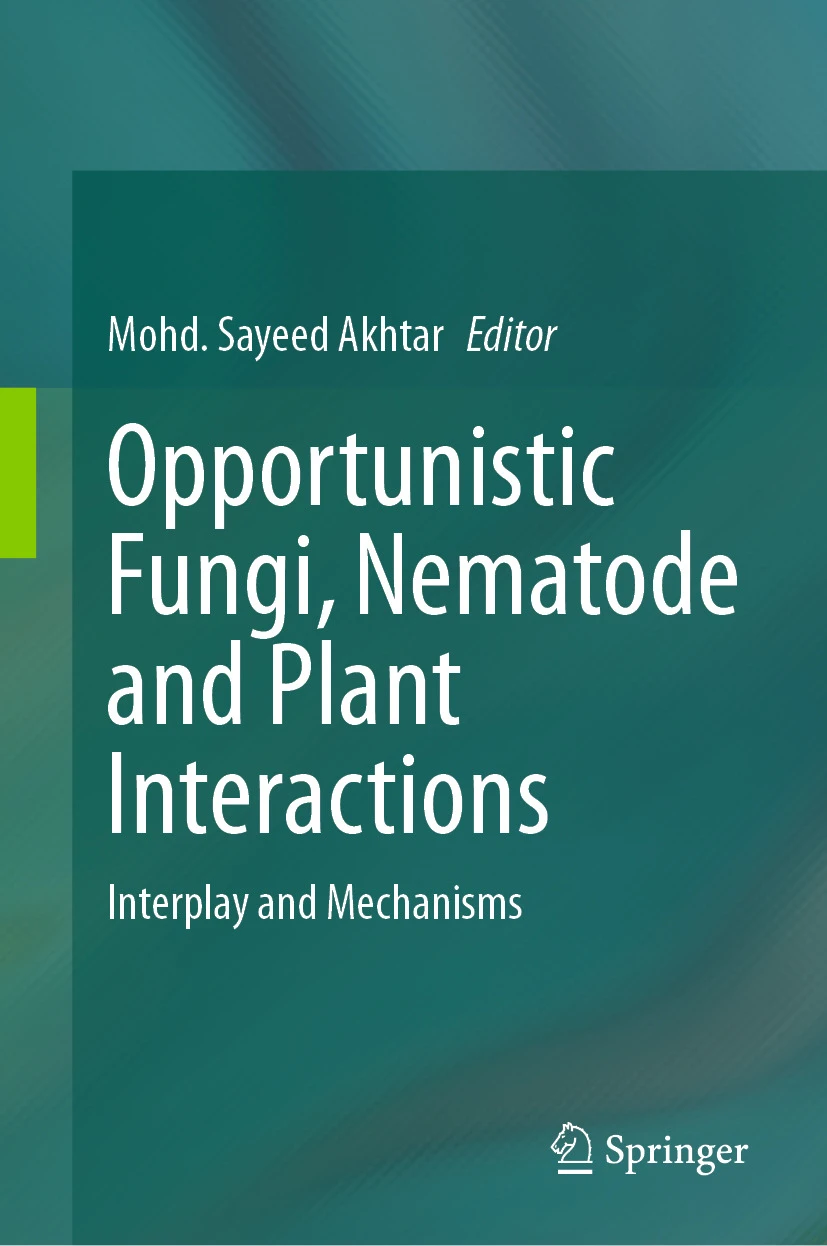
Opportunistic Fungi, Nematode and Plant Interactions Interplay and Mechanisms
6 $
Format : Publisher PDF
This book covers the fundamental and applied characteristics of opportunistic (OP) fungi, plant parasitic nematodes (PPN), and plant interactions. Fungal behavior and cultivation, physiological and molecular changes in relation to hosts and pathogens, and the mechanistic aspects of their management strategies are also covered in this volume. In the diverse agro-climatic conditions of the world, PPN has been identified as the most damaging pest to a variety of commercial and agro-important crop plants. Various chemical nematicides have been widely employed to treat nematode infection in recent decades, but use of these chemicals has been restricted due to widespread concerns about human health and environmental safety. In this regard, rhizospheric microorganisms can act as a first line of defense against pathogen attacks on the root and play a critical role in the management of plant diseases caused by PPN. The OP might directly parasitize the PPN by secreting metabolic chemicals that affect the viability of one or more phases of the nematode’s life cycle.
This book is of interest and useful to teachers, researchers, and professionals working on plant nematology, pathology, ecology, soil science, host-plant interactions, microbial ecology, and industries. Aside from that, this book also serves as additional reading material for undergraduate and graduate students all over the globe, as well as agricultural scientists and policymakers.
Product Details:
Edition Number: 1
Be the first to review “Opportunistic Fungi, Nematode and Plant Interactions Interplay and Mechanisms”
You must be logged in to post a review.
Related products
Reviews
There are no reviews yet.