

-
×
 Plastic-Esthetic Periodontal and Implant Surgery: The Special DVD Compendium
1 × 39 $
Plastic-Esthetic Periodontal and Implant Surgery: The Special DVD Compendium
1 × 39 $ -
×
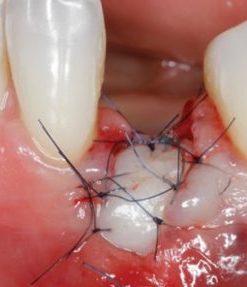 Soft Tissue Management around Natural Teeth and Dental Implants: Fundamentals, Evidence Based and Surgical Innovations
1 × 38 $
Soft Tissue Management around Natural Teeth and Dental Implants: Fundamentals, Evidence Based and Surgical Innovations
1 × 38 $ -
×
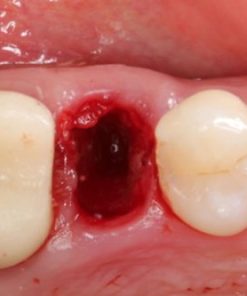 Extraction Socket – Preservation/Grafting; Immediate vs Delayed Implants; Pontic Site Development
1 × 38 $
Extraction Socket – Preservation/Grafting; Immediate vs Delayed Implants; Pontic Site Development
1 × 38 $

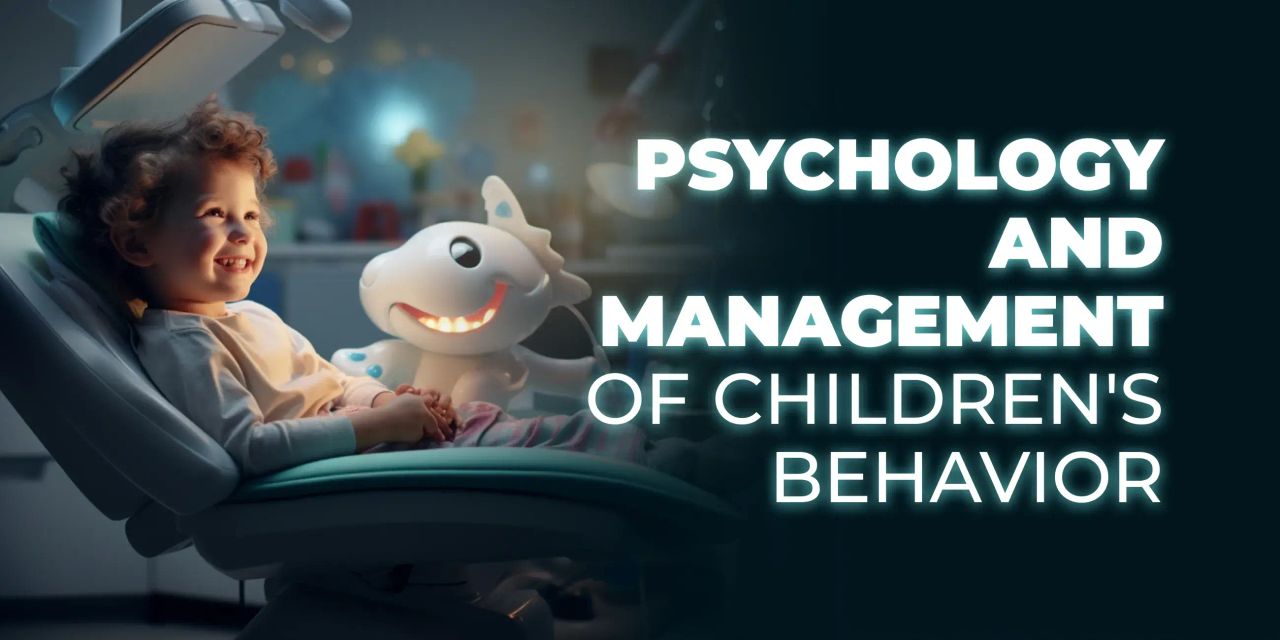
OHI-S Psychology and management of children’s behavior
75 $
7 lessons + 1 free (11h 26min)
Online course on child psychology and behavior management.
Training consists of 4 blocks:
– Child psychology. Verbal and non-verbal communication
– Pharmacological methods of management
– Psychology of communication “PARENT – DOCTOR”
– Treatment of children with psychological peculiarity: anxiety and depression.
The course is сreated for all doctors who work with children and teenagers.
The OHI‑S Psychology and Management of Children’s Behavior program is best for pediatric dentists, orthodontists, general dentists treating children, and dental hygienists who want structured, training in child psychology and behavior management in the dental setting. It emphasizes evidence‑based communication strategies, behavioral techniques, and clinical protocols to ensure cooperation, reduce anxiety, and deliver safe, positive dental experiences for young patients.
Who Should Enroll
Pediatric dentists managing children’s dental care and needing advanced behavioral strategies.
Orthodontists treating young patients where cooperation is crucial for appliance success.
General dentists who regularly see children and want to improve chairside communication and management.
Dental hygienists & assistants supporting pediatric care and patient interaction.
Residents & fellows in pediatric dentistry or orthodontics seeking structured training in child psychology and behavior management.
What You’ll Learn
Child psychology fundamentals: understanding developmental stages and emotional responses in dental settings.
Behavior management techniques: tell‑show‑do, positive reinforcement, distraction, and desensitization.
Communication strategies: building trust and rapport with children and parents.
Clinical protocols: managing anxiety, fear, and uncooperative behavior during treatment.
Interdisciplinary integration: combining psychology with pediatric dentistry and orthodontics for long‑term success.
Case‑based lessons: real examples of behavior management in pediatric dental practice.
+ Topics:
Lesson 1.Non pharmacological behavior management
– Behavior management: basic principles
– Scientific foundations for the management of child behavior
– Factors of poor communication of the child: indications and contraindications for non-pharmacological methods
– The influence of parents and parenting style: the relationship with the behavior of the child
– Dental team: aspects of successful communication
– Basic and advanced non-pharmacological methods of behavior management:
– communication and communication guidance (appropriate to age)
– positive pre-visit imagery
– direct observation
– tell-show-do
– ask-tell-ask
– voice control
– non-verbal communication
– positive reinforcement and descriptive praise
– distraction
– memory restructuring
– desensitization to dental conditions
– enhancing control.
– Documentation of admission and individualization of the treatment plan
– Sensory-adapted dental environment (SADE technique)
– Animal-аssisted Therapy (AAT)
– Picture exchange communication system (PECS)
– A technique of protective stabilization.
Recommended for: Pediatric dentists.
Lesson 2.Pharmacological behavior management. Introductory lesson
– Goals and indications for general anesthesia:
– Age and weight of the child
– Health status
– Amount of tretment
– Cooperation
– Parental preferences.
– Nitrous oxide: clinical effect, indications and safety of use
– Contraindications for nitrous oxide
– Sedation levels: characteristics and benefits of moderate sedation
– Specific pharmacological agents in pediatric dentistry, features and details of use:
– Midazolam
– Triazolam
– Flumazenil
– Hydroxyzine
– Diphenylhydramine
– Drug combinations.
Recommended for: Pediatric dentists.
Lesson 3.Pharmacological behavior management
– Goals and indications for general anesthesia:
– Age and weight of the child
– Health status
– Amount of tretment
– Cooperation
– Parental preferences.
– Nitrous oxide: clinical effect, indications and safety of use
– Contraindications for nitrous oxide
– Sedation levels: characteristics and benefits of moderate sedation
– Specific pharmacological agents in pediatric dentistry, features and details of use:
– Midazolam
– Triazolam
– Flumazenil
– Hydroxyzine
– Diphenylhydramine
– Drug combinations.
– Scheme for selecting drugs by age
– Local anesthetics: interaction with general sedatives
– Levels of monitoring of the patient’s condition
– Documentation of admission: child behavior, treatment and informed consent.
Recommended for: Pediatric dentists.
Lesson 4.Stages of reducing the time of dental treatment in children under general anesthesia
– Indications of treatment under general anesthesia
– Basic preparation principles of a treatment plan
– Tactics of management of the postoperative period
– Stages of treatment under general anesthesia:
– Consultation (doctor’s stage and coordinator’s stage)
– Organization of the treatment process
– Isolation of the working field.
– Treatment of dental caries and chronic pulpitis: a clinical example
– Procedures where you can save time
– Preparation stage: selection of the tip and burs
– Features of endodontic treatment under general anesthesia
– The process of waking up and communicating with patients after treatment.
Recommended for: Pediatric dentists.
Lesson 5.Dentist, child, parent: communication techniques
– Dental fear, anxiety and odontofobia: definition
– Factors of dental anxiety development:
– Age of the child
– Character traits
– Parental influence.
– Diagnosis of dental anxiety: the Frankl scale
– Prevention of anxiety: techniques
– Communication techniques with a small patient
– The 4 “S” principles by reducing triggers of stress
– Basic behavior guidance techniques
– The presence of parents during treatment: tactics
– Pharmacological techniques of behavior management: tasks and indications.
Recommended for: Pediatric dentists.
Lesson 6.Depression and anxiety in our patients: challenges and implications for the dental practitioner
– Anxiety and depression among children and adolescents
– Child’s fears: norm and pathology
– Factors of development of anxiety and depression in children
– Depression: definition and diagnostic criteria
– Symptoms of anxiety and depression in children and adolescents
– Body dysmorphia syndrome
– Strategies and principles of treatment of anxiety and depression
– The role of digital technologies in the development of depression and anxiety in children and adolescents: cyberbullying
– 8 online factors that increase the propensity to suicide.
Recommended for: Pediatric dentists.
Lesson 7.NLP in Pediatric Dentistry
– The importance of NLP in pediatric dentistry
– 6 basic principles of NLP
– Communication mechanisms in NLP
– Sensory organs as a way of creating reality: representative patterns:
– Characteristics of the visual type of perception
– Characteristics of the auditory type of perception
– Characteristics of the kinaesthetic type of perception.
– 3 V communications: how to see and hear a child
– The technique of mirroring gestures
– The technique of repeating the child’s breathing
– Verbal respiratory synchronization
– Effective communication: flexibility in thinking and behavior
– NLP Techniques:
– Anchoring technique
– The “High five” technique
– Reframing technique
– Swish pattern technique
– The “Loop Break” technique
– Pattern interrupt technique
– Technique of embedded commands
– The Zen mind trick.
– Deletion, generalization, distortion: language-meta-models and the Milton model
– Principles of basic communication when working with children
– Child’s bad behavior: tactics.
Recommended for: Pediatric dentists.
Lesson 8.Conversational hypnosis in pediatric dentistry
– Hypnosis: myths and misunderstandings
– Conversational hypnosis: a scientifically based approach
– Overt and covert hypnosis: goals and indications for the use of hypnosis
– Hypnotic state: the ABS formula
– Conversational hypnosis techniques to induce trance:
– Interrupting the dialog
– Overlap realities
– Verbal confusion
– Vague sentences
– Basic hypnotic formula.
– Basic communication principles of working with children
– Words and their meaning in working with children. The Milton model.
Recommended for: Pediatric dentists.
Format :8 videos + 8 audios + 8 file sub vtt, size: 6.77 GB
Be the first to review “OHI-S Psychology and management of children’s behavior”
You must be logged in to post a review.
Related products
Dental Ebook And Video
Prosthetic Rehabilitation on Natural Teeth: Predictable, Esthetic and Systematic Steps
38 $

Dental Ebook And Video
Rasperini Masterclass: Interproximal Attachment Gain – The Challenge Of Periodontology
89 $

Dental Ebook And Video
ITI International Team for Implantology Webinar & Video Lectures Package Part-3
50 $
Dental Ebook And Video
Extraction Socket – Preservation/Grafting; Immediate vs Delayed Implants; Pontic Site Development
38 $
Reviews
There are no reviews yet.