

 Supporting Sucking Skills In Breastfeeding Infants 2nd
  Dermatology Board Review Course 2014 (CME Videos)
  Pediatric Body MRI 2015 (CME Videos)

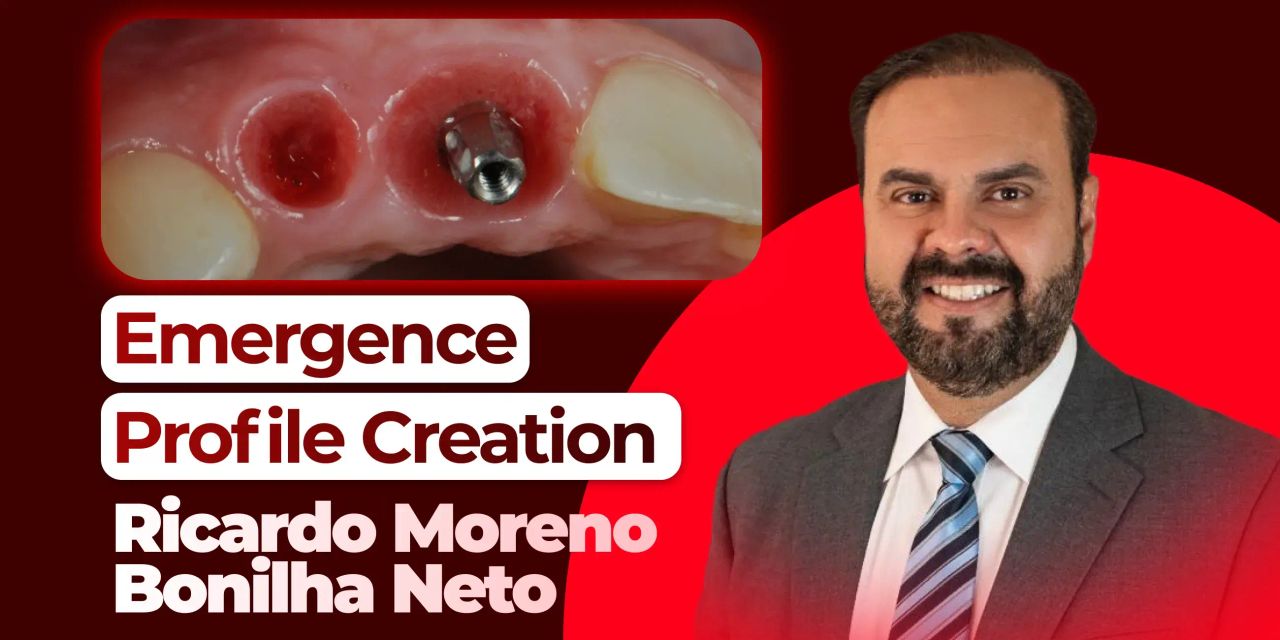
OHI-S Emergence Profile Creation Biologically Driven Implantology
50 $
Format : 5 videos + 5 audios + 5 file sub vtt, size: 4.24 GB
5 lessons (7h 11min) English
Protocols of emergence profile creation and design through a biologically driven approach in implant prosthetic rehabilitation!
Achieve optimal, aesthetic results by integrating biological principles in implant treatment.
During the course, you will learn about:– Step-by-step protocols for designing emergence profiles and three-dimensional positioning of the implant
– Protocols for transferring the emergence profile from the provisional to the final restoration
– Protocols for working with narrow and short implants
– Protocols for implantation in the aesthetic zone.
+ Topics:
Lesson 1.Emergence Profile: Challenges and Possibilities
– Definition of emergence profile
– The pillars of implant dentistry:
– Treatment planning
– Three-dimensional positioning of the implant
– Emergence profile and long-term tissue stability.
– Individualization of the emergence profile:
– How to achieve a natural look in the emergence profile
– When to define the emergence profile.
Recommended for: Prosthodontists, Implantologists, Oral and maxillofacial surgeons, General dentists.
Lesson 2.Ovoid Pontic: Creating a Natural Emergence Profile
– Protocols for implantation in the aesthetic area
– Protocols for provisionals in implant dentistry:
– Ovoid pontics
– Healing abutments.
– Transferring the emergence profile from the provisional to the final restoration
– Protocols for customized implant impressions
– Evaluation of clinical cases.
Recommended for: Prosthodontists, Implantologists, Oral and maxillofacial surgeons, General dentists.
Lesson 3.Narrow Implants: Clinical Insights and Scientific Evidence
– Reliability of narrow implants
– The importance of the thickness of narrow implants
– The importance of titanium alloy and implant surface treatment
– Screwed prosthesis vs. cemented prosthesis
– How to achieve the four pillars
– Treatment planning of implant rehabilitation cases
– Three-dimensional positioning of the implant
– Emergence profile and long-term tissue stability
– Clinical case studies.
Recommended for: Prosthodontists, Implantologists, Oral and maxillofacial surgeons, General dentists.
Lesson 4.Short Implants in Clinical Practice
– Indications and reliability of short implants
– Short implants vs. extra short implants
– Rehabilitation options in areas with limited available bone
– The importance of the crown-implant ratio
– The importance of the prosthetic connection
– Splinted or nonsplinted prosthesis: indications and clinical advantages
– Analysis of clinical cases.
Recommended for: Prosthodontists, Implantologists, Oral and maxillofacial surgeons, General dentists.
Lesson 5.The Four Pillars of Implant Dentistry and Implantation in the Aesthetic Zone
– Treatment planning for implantation in the aesthetic zone
– Three-dimensional positioning of the implant
– Emergence profile design in the aesthetic zone
– Long-term tissue stability of implant prosthetics and maintaining soft tissue contours.
Recommended for: Prosthodontists, Implantologists, Oral and maxillofacial surgeons, General dentists.
Be the first to review “OHI-S Emergence Profile Creation Biologically Driven Implantology”
You must be logged in to post a review.
Related products





Reviews
There are no reviews yet.