

-
×
 Human Brain Stem Vessels: Including the Pineal Gland and Information on Brain Stem Infarction 2nd ed. 1999 Edition
1 × 10 $
Human Brain Stem Vessels: Including the Pineal Gland and Information on Brain Stem Infarction 2nd ed. 1999 Edition
1 × 10 $ -
×
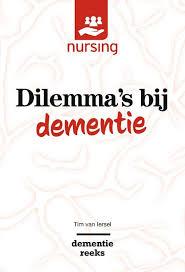 Dilemma's bij dementie
1 × 10 $
Dilemma's bij dementie
1 × 10 $ -
×
 The Chemistry of Contrast Agents in Medical Magnetic Resonance Imaging 2nd
1 × 5 $
The Chemistry of Contrast Agents in Medical Magnetic Resonance Imaging 2nd
1 × 5 $ -
×
 Translational Medicine: Tools And Techniques
1 × 5 $
Translational Medicine: Tools And Techniques
1 × 5 $ -
×
Pediatric Radiology (The Society for Pediatric Radiology) 2014 (CME Videos)
1 × 10 $ -
×
 Transgender and Gender Nonconforming Health and Aging 1st ed. 2019 Edition
1 × 10 $
Transgender and Gender Nonconforming Health and Aging 1st ed. 2019 Edition
1 × 10 $ -
×
 Airway Stenting in Interventional Radiology 1st ed. 2019 Edition
1 × 10 $
Airway Stenting in Interventional Radiology 1st ed. 2019 Edition
1 × 10 $ -
×
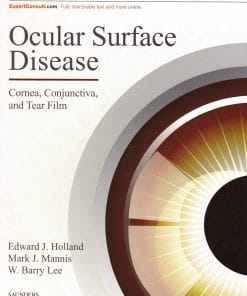 Ocular Surface Disease: Cornea, Conjunctiva and Tear Film
1 × 4 $
Ocular Surface Disease: Cornea, Conjunctiva and Tear Film
1 × 4 $ -
×
 Diagnostic Electron Microscopy: A Practical Guide to Interpretation and Technique 1st Edition
1 × 10 $
Diagnostic Electron Microscopy: A Practical Guide to Interpretation and Technique 1st Edition
1 × 10 $ -
×
 Field Guide to Wilderness Medicine 4th
1 × 4 $
Field Guide to Wilderness Medicine 4th
1 × 4 $

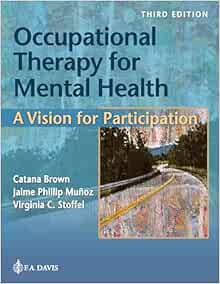
Occupational Therapy for Mental Health: A Vision for Participation, 3rd English (PDF)
7 $
Format: Publisher PDF
File Size : 9 MB
By Catana Brown PhD OTR FAOTA, Jaime P. Muñoz PhD OTR/L FAOTA, Virginia C. Stoffel PhD OT FAOTA Person-centered, recovery-oriented, occupation-based Here’s practical information on the theories, evidence, assessments, and interventions that are crucial to effective occupational therapy mental health practice. Students will gain an understanding of the lived experience and an evidence-based, recovery-oriented perspective with guidance on how to be a psychosocial practitioner in any setting. They’ll understand the recovery process for all areas of an individual’s life—physical, emotional, spiritual, and mental—and know how to manage co-occurring conditions.
New! Focus on the continuum of psychosocial care for all clients across all practice settings progresses from healthy functioning to mental illness to recovery and flourishing.
New! Guidance on how to be a psychosocial OT practitioner in any setting with all clients
New! Eight chapters discuss: the mental health continuum, trauma-informed practice, chronic conditions, social determinants, natural environments, virtual environments, suicide prevention, and connectedness and belonging.
New! “Being a Psychosocial Practitioner Profile” presents examples of the clinical reasoning practitioners have used to support the psychosocial health of clients in various practice settings.
New! “Practitioner Profile” vignettes provide a window into a typical day of an OT in specific settings.
New! “Mental Illness in Culture, Politics, and Society” highlights current events, art, books, films, organizations, and political issues that concern individuals with mental illness.
New! 32 online videos feature practitioners, students, and clients discussing their personal experiences across the mental health continuum.
Uses the Person-Environment-Occupation (PEO) model as a framework to promote full participation in the lives of individuals with mental illness and those struggling with psychosocial issues related to their disabilities.
Features first-person “The Lived Experience narratives that give voice to the experience of living with a mental illness.
Incorporates “Photo Voice” features, a blend of photography and personal stories that enable individuals to record their visions and experiences to promote dialogue about important issues.
Promotes best practices with “Evidence-Based Practice “boxes that synthesize significant research and implications for practice.
Product Details
Publisher : F.A. Davis Company; Third edition (April 11, 2025)
Language : English
Hardcover : 1256 pages
ISBN-10 : 1719649669
ISBN-13 : 978-1719649667
Be the first to review “Occupational Therapy for Mental Health: A Vision for Participation, 3rd English (PDF)”
You must be logged in to post a review.
Related products





Reviews
There are no reviews yet.