

-
×
 Get Fit, Stay Fit, 7th Edition
1 × 5 $
Get Fit, Stay Fit, 7th Edition
1 × 5 $ -
×
 History of Infectious Disease Pandemics in Urban Societies
1 × 4 $
History of Infectious Disease Pandemics in Urban Societies
1 × 4 $ -
×
 Renal Physiology: A Clinical Approach (Integrated Physiology Series)
1 × 4 $
Renal Physiology: A Clinical Approach (Integrated Physiology Series)
1 × 4 $ -
×
Comprehensive Review of Pediatrics 2014 (CME Videos)
1 × 10 $ -
×
 Spencer's Pathology of the Lung 6th, 2 Part Set
1 × 4 $
Spencer's Pathology of the Lung 6th, 2 Part Set
1 × 4 $ -
×
 Goodman and Gilman's The Pharmacological Basis of Therapeutics, 12th Edition
1 × 4 $
Goodman and Gilman's The Pharmacological Basis of Therapeutics, 12th Edition
1 × 4 $ -
×
 Seldin and Giebisch's The Kidney, Fifth Edition: Physiology & Pathophysiology
1 × 4 $
Seldin and Giebisch's The Kidney, Fifth Edition: Physiology & Pathophysiology
1 × 4 $ -
×
 Ocular Surface Disease: Cornea, Conjunctiva and Tear Film
1 × 4 $
Ocular Surface Disease: Cornea, Conjunctiva and Tear Film
1 × 4 $ -
×
 Stem Cells: New Frontiers in Science & Ethics
1 × 4 $
Stem Cells: New Frontiers in Science & Ethics
1 × 4 $ -
×
 Surgical Anatomy of the Ocular Adnexa: A Clinical Approach (Ophthalmology Monographs)
1 × 6 $
Surgical Anatomy of the Ocular Adnexa: A Clinical Approach (Ophthalmology Monographs)
1 × 6 $ -
×
 Lippincott's Concise Illustrated Anatomy: Volume 1: Back, Upper Limb and Lower Limb
1 × 4 $
Lippincott's Concise Illustrated Anatomy: Volume 1: Back, Upper Limb and Lower Limb
1 × 4 $ -
×
 The Licensing Exam Review Guide in Nursing Home Administration, Seventh Edition
1 × 4 $
The Licensing Exam Review Guide in Nursing Home Administration, Seventh Edition
1 × 4 $ -
×
 Physical Medicine and Rehabilitation: An Update for Internists, An Issue of Medical Clinics of North America (Volume 104-2) (The Clinics: Internal Medicine, Volume 104-2)
1 × 12 $
Physical Medicine and Rehabilitation: An Update for Internists, An Issue of Medical Clinics of North America (Volume 104-2) (The Clinics: Internal Medicine, Volume 104-2)
1 × 12 $ -
×
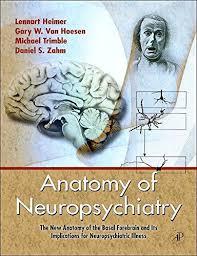 Anatomy of Neuropsychiatry: The New Anatomy of the Basal Forebrain and Its Implications for Neuropsychiatric Illness 1st Edition
1 × 10 $
Anatomy of Neuropsychiatry: The New Anatomy of the Basal Forebrain and Its Implications for Neuropsychiatric Illness 1st Edition
1 × 10 $ -
×
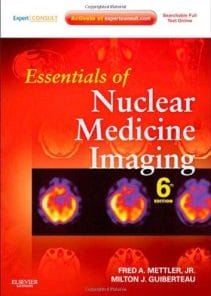 Essentials of Nuclear Medicine Imaging 6th
1 × 4 $
Essentials of Nuclear Medicine Imaging 6th
1 × 4 $ -
×
 Lippincott's Concise Illustrated Anatomy: Volume 2: Thorax, Abdomen & Pelvis
1 × 4 $
Lippincott's Concise Illustrated Anatomy: Volume 2: Thorax, Abdomen & Pelvis
1 × 4 $ -
×
 Pharmacology of Ocular Therapeutics (PDF)
1 × 4 $
Pharmacology of Ocular Therapeutics (PDF)
1 × 4 $ -
×
 Teaching Cultural Competence in Nursing and Health Care, Third Edition: Inquiry, Action, and Innovation
1 × 4 $
Teaching Cultural Competence in Nursing and Health Care, Third Edition: Inquiry, Action, and Innovation
1 × 4 $ -
×
 Lippincott's Concise Illustrated Anatomy: Volume 3: Head & Neck
1 × 4 $
Lippincott's Concise Illustrated Anatomy: Volume 3: Head & Neck
1 × 4 $


New International Directions in HIV Prevention for Gay and Bisexual Men (PDF)
5 $
Format: Publisher PDF
File Size : 84.9 MB
By Michael Wright, B R Simon Rosser
It is widely recognized that current HIV intervention models are falling short of their goals. What are the alternatives?To answer this question, New International Directions in HIV Prevention for Gay and Bisexual Men presents a collection of articles from European and American authors that rival dominant paradigms of HIV prevention. Researchers, practitioners, and community organizations will be challenged to examine current assumptions and to consider neglected aspects of risk behavior such as love, trust, and the dynamics of sexual intimacy. New International Directions in HIV Prevention for Gay and Bisexual Men explores models and theories that will help you develop more effective HIV prevention programs to better serve patients and clients.New International Directions in HIV Prevention for Gay and Bisexual Men offers you fresh perspectives on prevention work by examining risk behaviors in the interactional, communal, and social contexts in which they are practiced. You will receive alternative explanations and reasons for HIV risk that go beyond current approaches and that introduce possibilities for new intervention strategies. Written by experts in the field, the chapters in New International Directions in HIV Prevention for Gay and Bisexual Men will give you insight into new ideas and developments, including:
placing a greater emphasis on improving successful risk management strategies as opposed to quantifying risk factors
examining the meaning and context of sexual acts which occur in casual encounters or steady partnerships and incorporating their relevancy into prevention work
considering the effects that cultural context and socially constructed meanings have on prevention work and incorporating individuals’values and feelings into prevention strategies
focusing on more realistic goals of harm reduction that take sexual decision making into consideration as opposed to expecting abstinence
relating the various aspects of sexual encounters–physical attraction, intimacy, reciprocity, and power–to reasons why men choose not to use condomsExamining how gay men can underestimate the risk of HIV in order to meet needs of intimacy, New International Directions in HIV Prevention for Gay and Bisexual Men will help you understand the symbolic dimension of sexual contact. The normal, everyday reasons for having sex without a condom are explored, questioning models which often characterize unprotected sex as being the result of low self-esteem, substance abuse, or some other psychological vulnerability. Presenting data from both qualitative and quantitative research conducted at group and individual levels, this book reveals the complexity of risk behavior, the richness of sexual experience, and the importance of respecting the unique context in which gay men live their sexual lives. New International Directions in HIV Prevention for Gay and Bisexual Men will help you understand this point of view, enabling you to provide patients and clients with more effective HIV prevention and risk management services.
Product Details
Publisher : Routledge
Publication date : August 13, 1998
Edition : 1st
Language : English
ISBN-10 : 1560231165
ISBN-13 : 978-1560231165
Be the first to review “New International Directions in HIV Prevention for Gay and Bisexual Men (PDF)”
You must be logged in to post a review.
Related products



Reviews
There are no reviews yet.