

-
×
 Supporting Sucking Skills In Breastfeeding Infants 2nd
1 × 4 $
Supporting Sucking Skills In Breastfeeding Infants 2nd
1 × 4 $ -
×
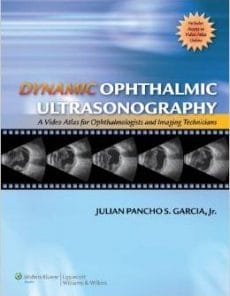 Dynamic Ophthalmic Ultrasonography: A Video Atlas for Ophthalmologists and Imaging Technicians (PDF)
1 × 4 $
Dynamic Ophthalmic Ultrasonography: A Video Atlas for Ophthalmologists and Imaging Technicians (PDF)
1 × 4 $ -
×
 Practical Manual of Histology (PDF)
1 × 4 $
Practical Manual of Histology (PDF)
1 × 4 $ -
×
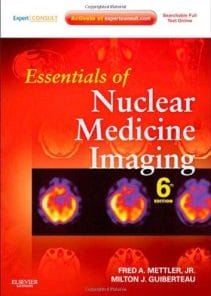 Essentials of Nuclear Medicine Imaging 6th
1 × 4 $
Essentials of Nuclear Medicine Imaging 6th
1 × 4 $ -
×
 Ocular Surface Disease: Cornea, Conjunctiva and Tear Film
1 × 4 $
Ocular Surface Disease: Cornea, Conjunctiva and Tear Film
1 × 4 $ -
×
 Safety Concerns for Herbal Drugs
1 × 4 $
Safety Concerns for Herbal Drugs
1 × 4 $ -
×
 Teaching Cultural Competence in Nursing and Health Care, Third Edition: Inquiry, Action, and Innovation
1 × 4 $
Teaching Cultural Competence in Nursing and Health Care, Third Edition: Inquiry, Action, and Innovation
1 × 4 $ -
×
 Renal Physiology: A Clinical Approach (Integrated Physiology Series)
1 × 4 $
Renal Physiology: A Clinical Approach (Integrated Physiology Series)
1 × 4 $
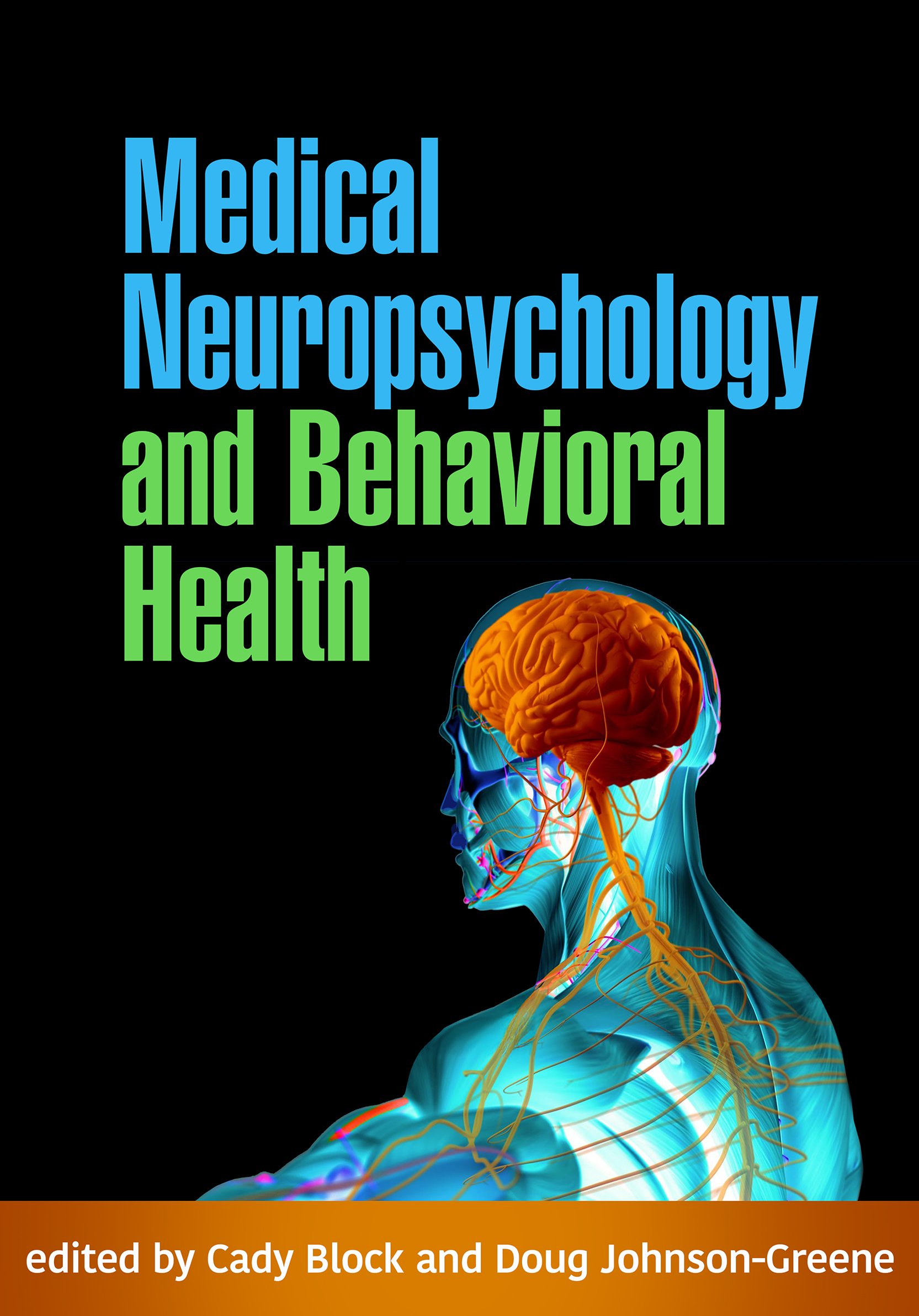
Medical Neuropsychology and Behavioral Health (PDF)
8 $
Format: Publisher PDF
File Size : 6 MB
by Cady Block (ed.), Doug Johnson-Greene (ed.), Kenneth Adams
It is increasingly recognized that medical conditions can have a range of neurocognitive, psychosocial, and functional implications, even in the absence of obvious neurological involvement. Filling a gap in the literature, this comprehensive clinical reference reviews current research and provides clear guidelines for assessment and intervention. Chapters organized around major bodily systems–for example, cardiovascular, endocrine, immune/lymphatic–probe neurocognitive impairments associated with prevalent health conditions and their treatments, including coverage of COVID-19. State-of-the-science chapters on lifestyle behaviors and habits explore the neurocognitive impact of sleep and fatigue, nutrition and weight, acute and chronic pain (and the use of opioid analgesics), personality and temperament, and substance misuse.
Be the first to review “Medical Neuropsychology and Behavioral Health (PDF)”
You must be logged in to post a review.
Related products




Reviews
There are no reviews yet.