
-
×
 Physical Medicine and Rehabilitation: An Update for Internists, An Issue of Medical Clinics of North America (Volume 104-2) (The Clinics: Internal Medicine, Volume 104-2)
1 × 12 $
Physical Medicine and Rehabilitation: An Update for Internists, An Issue of Medical Clinics of North America (Volume 104-2) (The Clinics: Internal Medicine, Volume 104-2)
1 × 12 $ -
×
 101+ Careers in Public Health, 2nd Edition
1 × 5 $
101+ Careers in Public Health, 2nd Edition
1 × 5 $ -
×
 Telemedicine and Electronic Medicine
1 × 4 $
Telemedicine and Electronic Medicine
1 × 4 $ -
×
 Developability of Biotherapeutics: Computational Approaches
1 × 5 $
Developability of Biotherapeutics: Computational Approaches
1 × 5 $ -
×
 Muscle Imaging in Health and Disease
1 × 10 $
Muscle Imaging in Health and Disease
1 × 10 $ -
×
 Human Brain Stem Vessels: Including the Pineal Gland and Information on Brain Stem Infarction 2nd ed. 1999 Edition
1 × 10 $
Human Brain Stem Vessels: Including the Pineal Gland and Information on Brain Stem Infarction 2nd ed. 1999 Edition
1 × 10 $ -
×
 Black's Medical Dictionary, 43rd Edition (PDF)
1 × 6 $
Black's Medical Dictionary, 43rd Edition (PDF)
1 × 6 $ -
×
 The Licensing Exam Review Guide in Nursing Home Administration, Seventh Edition
1 × 4 $
The Licensing Exam Review Guide in Nursing Home Administration, Seventh Edition
1 × 4 $ -
×
 Diagnostic Electron Microscopy: A Practical Guide to Interpretation and Technique 1st Edition
1 × 10 $
Diagnostic Electron Microscopy: A Practical Guide to Interpretation and Technique 1st Edition
1 × 10 $ -
×
 Atlas of Early Zebrafish Brain Development: A Tool for Molecular Neurogenetics
1 × 5 $
Atlas of Early Zebrafish Brain Development: A Tool for Molecular Neurogenetics
1 × 5 $ -
×
Pediatric Radiology (The Society for Pediatric Radiology) 2014 (CME Videos)
1 × 10 $ -
×
 Atlas de Técnicas Avançadas em Cirurgia
1 × 5 $
Atlas de Técnicas Avançadas em Cirurgia
1 × 5 $ -
×
 Antibiotic Basics for Clinicians: The ABCs of Choosing the Right Antibacterial Agent 2nd
1 × 4 $
Antibiotic Basics for Clinicians: The ABCs of Choosing the Right Antibacterial Agent 2nd
1 × 4 $
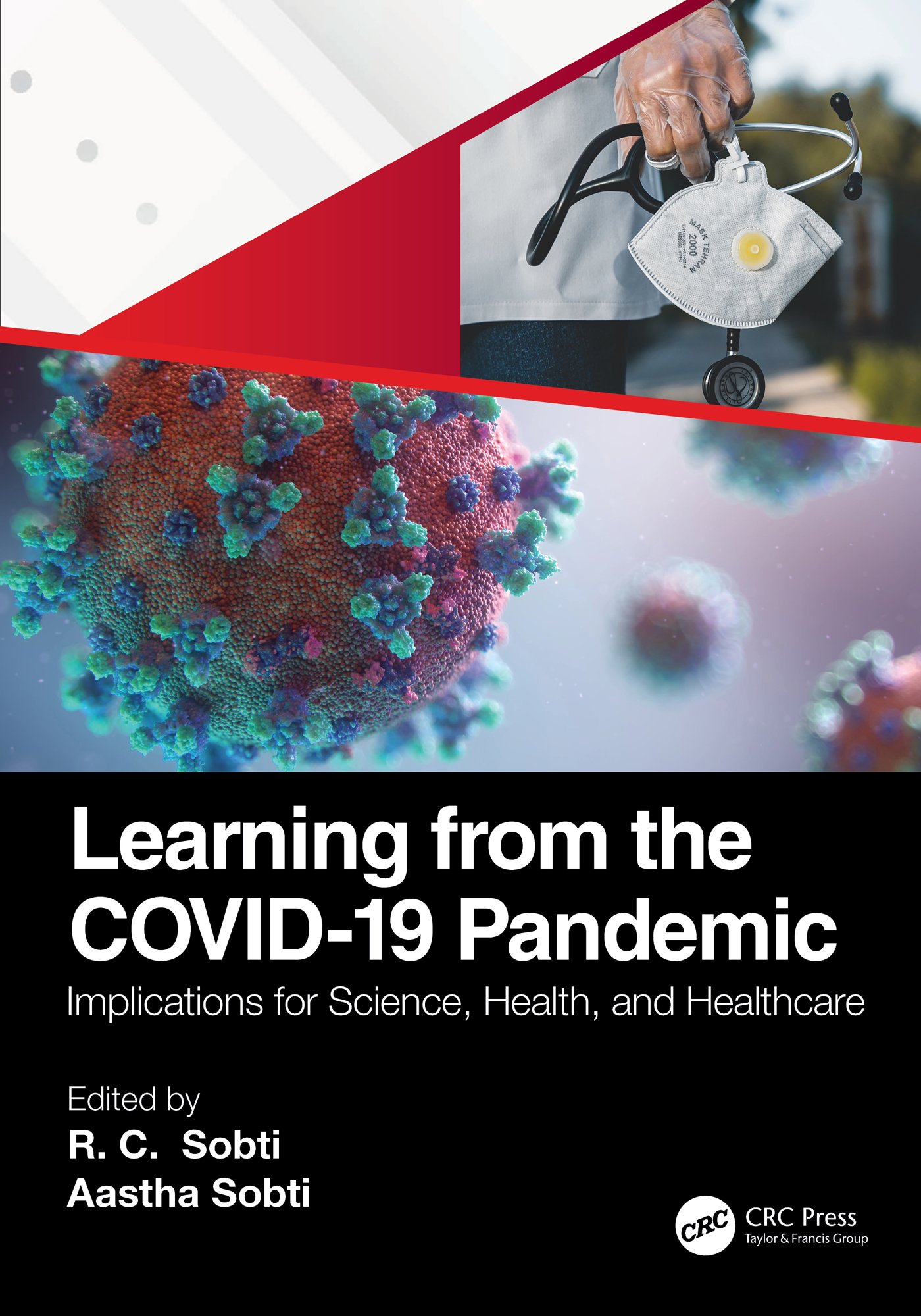
Learning from the COVID-19 Pandemic: Implications for Science, Health, and Healthcare (PDF)
5 $
Format : Publisher PDF
File Size : 58.4 MB
The book highlights the impact of COVID-19 on science, industry, and healthcare systems, and includes discussions on the virus’s evolution, its impact on various organs in the body, the emergence of various strains, and the development of vaccines to control the pandemic. It is a useful resource for students, medical personnel, administrators, and the public. It is published by CRC Press on August 24, 2023, in English, and has two ISBN numbers: 9781032416038 and 9781000843224.
Learning from the COVID-19 Pandemic: Implications for Science, Health, and Healthcare (PDF Book)
by
In December 2019, a new virus called COVID-19 was discovered in Wuhan City, China. It quickly spread throughout the country and then to other parts of the world, causing widespread illness and death. The impact of the COVID-19 pandemic was felt in every corner of the globe, affecting healthcare systems, education, industry, travel, and more. The vulnerability of healthcare systems became evident, and frontline healthcare workers bore the brunt of the virus’s attacks.
COVID-19 is not just a respiratory virus; it can affect almost all organs of the body, including the brain. There have also been observations of its impact on gut biota. This virus knows no boundaries, affecting people of all cultures, religions, and geographical locations. The emergence of new variants, resulting from mutations in the virus, has further complicated the situation. The delta variant, for example, caused a devastating second wave, leading to oxygen saturation issues and other physiological emergencies. However, the omicron variant proved to be less lethal.
Although the pandemic has subsided in some areas, the recently identified subvariants BA1 and BA2, along with their hybrids, have caused a resurgence in cases and prompted new lockdown measures. There is a real concern that the virus may spread to other countries, leading to more lockdowns.
The scientific community has focused its efforts on combating COVID-19, with the goal of developing new drugs, repurposing existing drugs, and creating vaccines in record time. The success of vaccination campaigns in various countries likely contributed to the milder impact of the omicron variant. However, there is a constant fear that new variants may evade the immune system and cause further harm.
This book delves into the impact of COVID-19 on science, industry, and healthcare systems. Written by experts in various fields, including basic sciences, biotechnology, and pharmaceutical sciences, it explores how the virus evolves and affects different organs in the body. The emergence of different strains of the virus is also discussed. The preparedness of hospitals, healthcare workers, and agencies like DRDO to face the challenges posed by the virus is examined. Additionally, the book highlights the innovative techniques developed by scientists and technologists to detect and control the virus, including the development of vaccines.
Whether you’re a student, teacher, medical professional, administrator, or just a concerned citizen, this book is a valuable resource for understanding the impact of COVID-19 and the ongoing efforts to combat the pandemic.
Product Details
- Publisher: CRC Press; August 24, 2023
- Language: English
- ISBN: 9781032416038
- ISBN: 9781000843224
Related products