

-
×
 Radiation Protection in Medical Radiography 7th Edition
1 × 10 $
Radiation Protection in Medical Radiography 7th Edition
1 × 10 $ -
×
 Introduction to Diagnostic Radiology
1 × 10 $
Introduction to Diagnostic Radiology
1 × 10 $ -
×
 Mechanical Ventilation in Emergency Medicine
1 × 10 $
Mechanical Ventilation in Emergency Medicine
1 × 10 $ -
×
 Treatment of Skin Diseases: A Practical Guide 1st ed. 2019 Edition
1 × 10 $
Treatment of Skin Diseases: A Practical Guide 1st ed. 2019 Edition
1 × 10 $ -
×
 Safety Concerns for Herbal Drugs
1 × 4 $
Safety Concerns for Herbal Drugs
1 × 4 $ -
×
 Learning Radiology: Recognizing the Basics
1 × 5 $
Learning Radiology: Recognizing the Basics
1 × 5 $ -
×
 Radiobiology for the Radiologist Edition 7
1 × 10 $
Radiobiology for the Radiologist Edition 7
1 × 10 $ -
×
 Chest Imaging Case Atlas 2nd Edition
1 × 10 $
Chest Imaging Case Atlas 2nd Edition
1 × 10 $ -
×
 Genitourinary Radiology Sixth Edition
1 × 20 $
Genitourinary Radiology Sixth Edition
1 × 20 $ -
×
 Arbeitgeber Patient – Kundenorientierung in Gesundheitsberufen
1 × 10 $
Arbeitgeber Patient – Kundenorientierung in Gesundheitsberufen
1 × 10 $

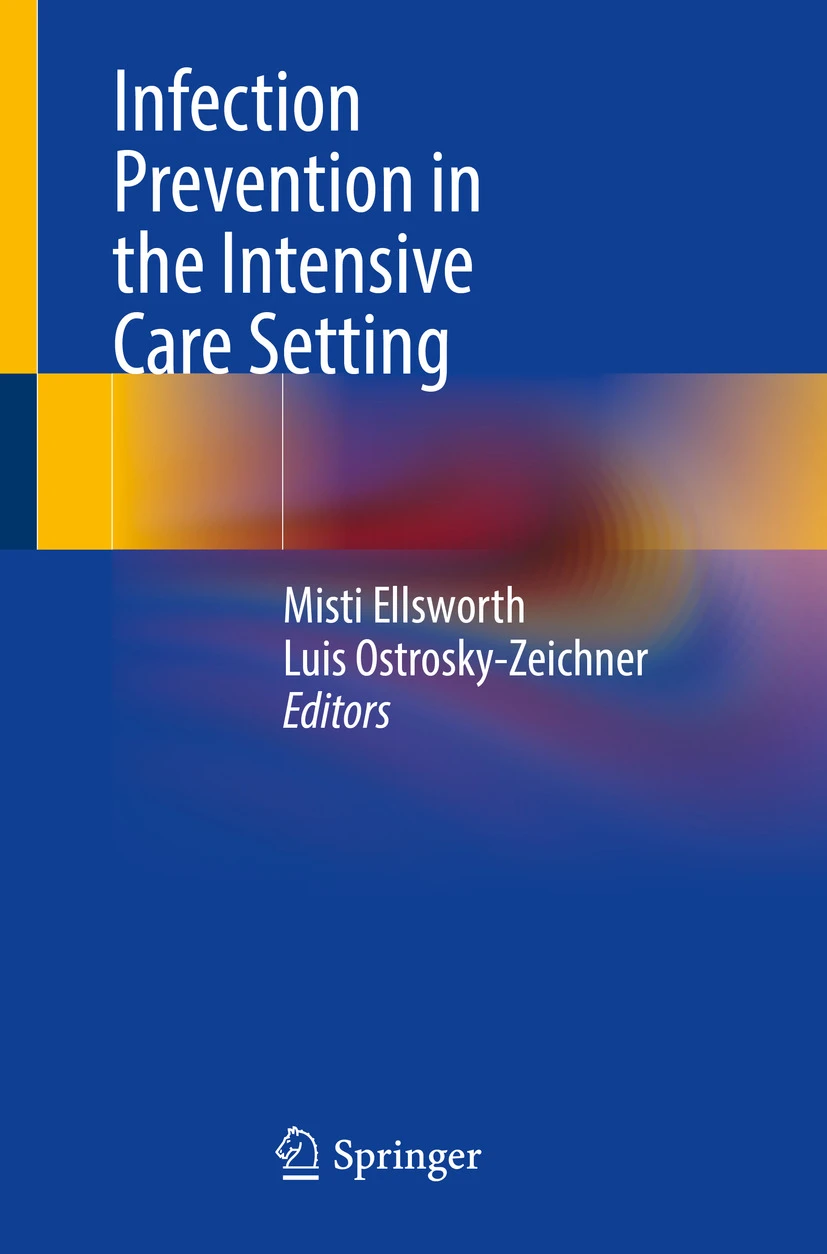
Infection Prevention in the Intensive Care Setting:
6 $
Publisher PDF
The National Healthcare Safety Network (NHSN) system reports that approximately 1 in every 31 hospitalized patients develop at least one hospital acquired infection (HAI). Deaths associated with these infections are estimated to be up to 99,000 per year. In 2015 alone, there was an estimated 687,000 HAIs linked to the acute care hospital setting. According to the WHO, in high income countries 30% of these infections occur in the Intensive Care Unit (ICU). Patients in the ICU often have multiple risk factors that increase the risk of developing a HAI. These risk factors include the need for indwelling catheters and other medical devices, patient related factors such as underlying comorbidities, immunosuppression, and the need for recurrent hospitalizations.
Nosocomial infections lead to significant morbidity and mortality. Patients who develop infections in the ICU have double the mortality and morbidity when compared to noninfected patients. In addition to the increased morbidity and mortality, cost of care and length of stay is also significantly higher. Despite widespread adoption of infection prevention practices in the ICU setting, preventable infections still occur daily in ICUs across the country.
This book provides a comprehensive review of infection prevention in the ICU setting including new and cutting-edge techniques to prevent HAIs. This book serves as a reference text for physicians, nurses, and quality leadership working in the ICU setting. It discusses the most recent definitions from NHSN for CLABSIs, CAUTIs, and SSIs as well as the current recommendations for preventing device and surgery associated nosocomial infections. In addition, there are chapters on other basic infection prevention practices such as how to identify unit HAI outbreaks. Finally, it addresses unique aspects of infection prevention in special populations such as neonates, pediatric patients and immunocompromised hosts, as well as explore unique infections risks in trauma, surgical and burn units.
Written by experts in the field, Infection Prevention in the Intensive Care Setting is a valuable resource for intensive care physicians, infectious disease physicians, intensive care nurses, infection prevention practitioners, pulmonary specialists, residents in internal medicine and pediatrics as well as pediatric and adult infectious disease fellows.
eBook ISBN
978-3-031-67062-6
Published: 08 October 2024
Be the first to review “Infection Prevention in the Intensive Care Setting:”
You must be logged in to post a review.
Related products



Reviews
There are no reviews yet.