

-
×
 101+ Careers in Public Health, 2nd Edition
1 × 5 $
101+ Careers in Public Health, 2nd Edition
1 × 5 $ -
×
 Physical Medicine and Rehabilitation: An Update for Internists, An Issue of Medical Clinics of North America (Volume 104-2) (The Clinics: Internal Medicine, Volume 104-2)
1 × 12 $
Physical Medicine and Rehabilitation: An Update for Internists, An Issue of Medical Clinics of North America (Volume 104-2) (The Clinics: Internal Medicine, Volume 104-2)
1 × 12 $ -
×
 Human Brain Stem Vessels: Including the Pineal Gland and Information on Brain Stem Infarction 2nd ed. 1999 Edition
1 × 10 $
Human Brain Stem Vessels: Including the Pineal Gland and Information on Brain Stem Infarction 2nd ed. 1999 Edition
1 × 10 $ -
×
 The Johns Hopkins Internal Medicine Board Review: Certification and Recertification, 5th Edition (PDF)
1 × 18 $
The Johns Hopkins Internal Medicine Board Review: Certification and Recertification, 5th Edition (PDF)
1 × 18 $ -
×
 Developability of Biotherapeutics: Computational Approaches
1 × 5 $
Developability of Biotherapeutics: Computational Approaches
1 × 5 $
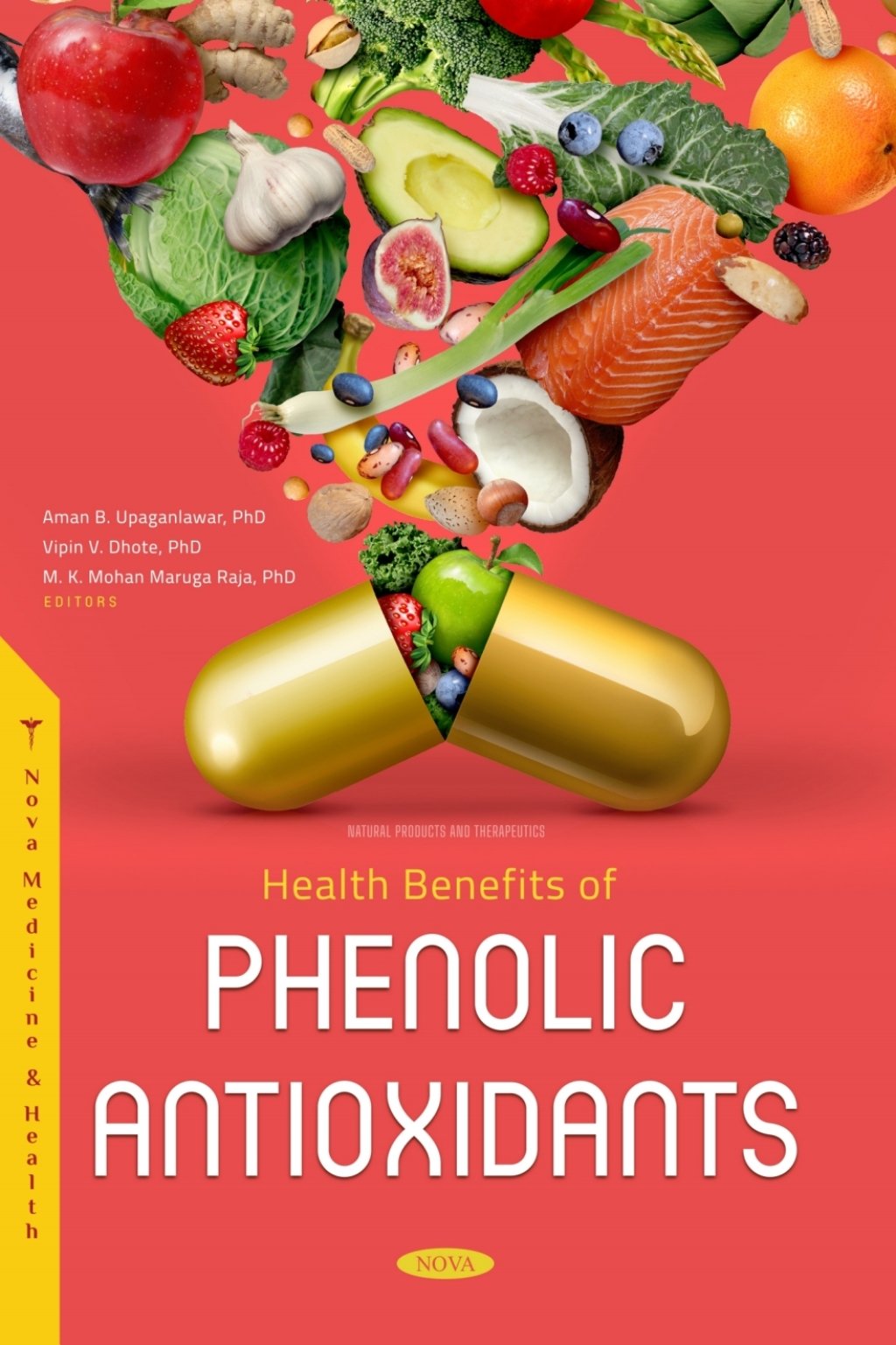
Health Benefits Of Phenolic Antioxidants (PDF)
7 $
Format : Publisher PDF
File Size : 26.9 MB
by Frank Columbus (Author)
Free radicals are continuously produced in cells as a part of normal cellular function. However, excess generation of free radicals plays a critical role in the pathophysiology of many disease conditions, especially cancer, atherosclerosis, Alzheimer’s disease, etc. Oxidation is a major chemical process that produces free radicals and initiates chain reactions that cause cellular damage. Compounds that inhibit oxidation are called antioxidants; phenols are known to possess excellent antioxidant properties. Phenolic compounds are abundant in plants in a wide variety of chemical structures. Natural phenolic compounds include phenolic acids and ester derivatives, flavonoids and benzopyran derivatives, quinones, tannins, lignins, lignans, stilbenes, essential oils, chalcones, etc. Nutraceuticals, in the name of dietary supplements and functional foods, are being consumed as prophylactics for the prevention of many diseases throughout the world. Most of these products are polyphenols; hence, this book provides an insight on therapeutic potentials of natural and synthetic polyphenols, emphasizing their pharmacology.
Product Details
Publisher: Nova Medicine and Health;
ISBN: 9798886971200
ISBN: 9798886970586
Copyright: 2022
Be the first to review “Health Benefits Of Phenolic Antioxidants (PDF)”
You must be logged in to post a review.
Related products
5 $
Reviews
There are no reviews yet.