
-
×
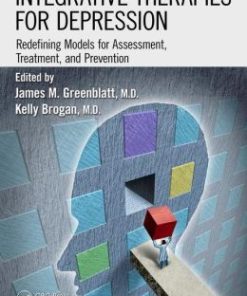 Integrative Therapies for Depression: Redefining Models for Assessment, Treatment and Prevention
1 × 5 $
Integrative Therapies for Depression: Redefining Models for Assessment, Treatment and Prevention
1 × 5 $ -
×
 The Chemistry of Contrast Agents in Medical Magnetic Resonance Imaging 2nd
1 × 5 $
The Chemistry of Contrast Agents in Medical Magnetic Resonance Imaging 2nd
1 × 5 $ -
×
UCSF Radiology – Interventional Review 2015 (CME Videos)
1 × 10 $ -
×
 Atlas of Urinary Cytopathology: With Histopathologic Correlations 1st Edition
1 × 10 $
Atlas of Urinary Cytopathology: With Histopathologic Correlations 1st Edition
1 × 10 $ -
×
 West's Pulmonary Pathophysiology 9th
1 × 10 $
West's Pulmonary Pathophysiology 9th
1 × 10 $ -
×
UCSF Radiology Review: Comprehensive Imaging 2014 (CME Videos)
1 × 10 $ -
×
 A Comprehensive Guide to Nanoparticles in Medicine (PDF)
1 × 5 $
A Comprehensive Guide to Nanoparticles in Medicine (PDF)
1 × 5 $ -
×
 Clinical Research: From Proposal to Implementation
1 × 5 $
Clinical Research: From Proposal to Implementation
1 × 5 $ -
×
 Supporting Sucking Skills In Breastfeeding Infants 2nd
1 × 4 $
Supporting Sucking Skills In Breastfeeding Infants 2nd
1 × 4 $ -
×
 The Johns Hopkins Internal Medicine Board Review: Certification and Recertification, 5th Edition (PDF)
1 × 18 $
The Johns Hopkins Internal Medicine Board Review: Certification and Recertification, 5th Edition (PDF)
1 × 18 $ -
×
 Atlas de Técnicas Avançadas em Cirurgia
1 × 5 $
Atlas de Técnicas Avançadas em Cirurgia
1 × 5 $ -
×
 Translational Medicine: Tools And Techniques
1 × 5 $
Translational Medicine: Tools And Techniques
1 × 5 $ -
×
 Seldin and Giebisch's The Kidney, Fifth Edition: Physiology & Pathophysiology
1 × 4 $
Seldin and Giebisch's The Kidney, Fifth Edition: Physiology & Pathophysiology
1 × 4 $ -
×
 101+ Careers in Public Health, 2nd Edition
1 × 5 $
101+ Careers in Public Health, 2nd Edition
1 × 5 $ -
×
 Paediatric Dentistry: Principles and Practice, 2nd Edition (PDF)
1 × 4 $
Paediatric Dentistry: Principles and Practice, 2nd Edition (PDF)
1 × 4 $ -
×
UCSF Neuro and Musculoskeletal Imaging 2014 (CME Videos)
1 × 10 $

Chestnet Mechanical Ventilation – Critical Care Management 2022 (CME VIDEOS)
150 $
Chestnet Mechanical Ventilation – Critical Care Management 2022 (CME VIDEOS)
The COVID-19 pandemic highlighted the incredible demand for mechanical ventilation expertise. Strategies for managing respiratory failure continue to progress, so it’s essential that clinicians master these skills and stay current on advances in ventilator technology.
Thousands of learners have successfully used this course over several decades to help their patients with respiratory failure. The continually evolving curriculum focuses on solving clinical problems using the principles of mechanical ventilation like ventilator modes, graphic analysis, lung mechanics, and respiratory physiology.
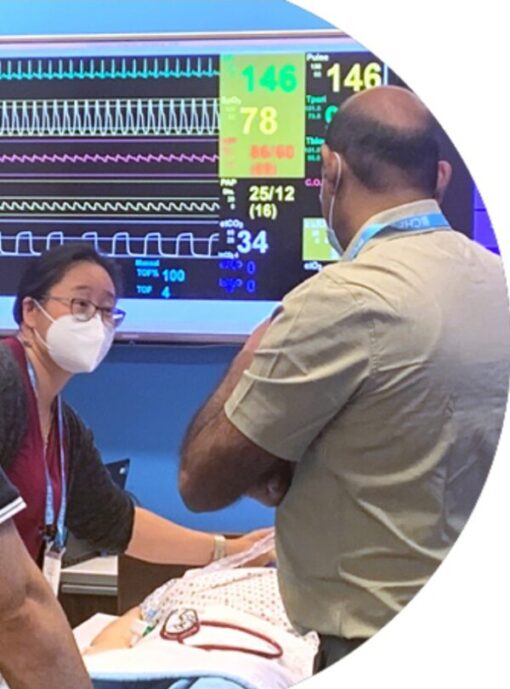
Leaders in the critical care field will teach state-of-the-art techniques using interactive simulations and hands-on didactics. Return to your practice with increased mastery of mechanical ventilation management, and prepare to quickly implement what you’ve learned at your patients’ bedsides.
What you’ll learn
– Principles of mechanical ventilation with a focus on protecting the lungs
– Analysis of ventilator graphics for changing lung mechanics and optimal patient ventilator synchrony
– Ventilatory management of parenchymal lung injury, obstructive disease, and severe hypoxemia
– Strategies for mechanical ventilation liberation
Who should attend
SPECIALTIES
Critical Care Medicine, Pulmonary Medicine, Cardiology, Surgery, Hospital Medicine, Family Medicine, Emergency Medicine, Anesthesiology
Digital Learning Modules
– Design Principles of Modern Ventilators
– Applied Respiratory System Mechanics
– Patient-Ventilator Interactions
– Demonstration of Modes/Interactions
– Ventilator-Induced Lung Injury
– Management of Severe Hypoxemia
– Management of Obstructive Lung Disease
– Ventilator Discontinuation Process
– Live Interactive Discussions
– Clinical Case-Based Ventilator Management
– Waveform Analysis and Troubleshooting
– What in the World? Jeopardy
– Hands-on Workshops
– Set Up the Vent Cases
– Noninvasive Ventilation
– Severe Hypoxemia Management
– Fix the Ventilator: “What’s Wrong?”
– Ventilator Emergencies: “What the Heck Is Going On?”
Chestnet Mechanical Ventilation – Critical Care Management 2022 (CME VIDEOS)
The COVID-19 pandemic highlighted the incredible demand for mechanical ventilation expertise. Strategies for managing respiratory failure continue to progress, so it’s essential that clinicians master these skills and stay current on advances in ventilator technology.
Thousands of learners have successfully used this course over several decades to help their patients with respiratory failure. The continually evolving curriculum focuses on solving clinical problems using the principles of mechanical ventilation like ventilator modes, graphic analysis, lung mechanics, and respiratory physiology.
Leaders in the critical care field will teach state-of-the-art techniques using interactive simulations and hands-on didactics. Return to your practice with increased mastery of mechanical ventilation management, and prepare to quickly implement what you’ve learned at your patients’ bedsides.
What you’ll learn
– Principles of mechanical ventilation with a focus on protecting the lungs
– Analysis of ventilator graphics for changing lung mechanics and optimal patient ventilator synchrony
– Ventilatory management of parenchymal lung injury, obstructive disease, and severe hypoxemia
– Strategies for mechanical ventilation liberation
Who should attend
SPECIALTIES
Critical Care Medicine, Pulmonary Medicine, Cardiology, Surgery, Hospital Medicine, Family Medicine, Emergency Medicine, Anesthesiology
Digital Learning Modules
– Design Principles of Modern Ventilators
– Applied Respiratory System Mechanics
– Patient-Ventilator Interactions
– Demonstration of Modes/Interactions
– Ventilator-Induced Lung Injury
– Management of Severe Hypoxemia
– Management of Obstructive Lung Disease
– Ventilator Discontinuation Process
– Live Interactive Discussions
– Clinical Case-Based Ventilator Management
– Waveform Analysis and Troubleshooting
– What in the World? Jeopardy
– Hands-on Workshops
– Set Up the Vent Cases
– Noninvasive Ventilation
– Severe Hypoxemia Management
– Fix the Ventilator: “What’s Wrong?”
– Ventilator Emergencies: “What the Heck Is Going On?”
Related products