

-
×
 Individualized Care: Theory, Measurement, Research and Practice
1 × 10 $
Individualized Care: Theory, Measurement, Research and Practice
1 × 10 $ -
×
 Field Guide to Wilderness Medicine 4th
1 × 4 $
Field Guide to Wilderness Medicine 4th
1 × 4 $ -
×
 Adolescents with Chronic Kidney Disease
1 × 10 $
Adolescents with Chronic Kidney Disease
1 × 10 $ -
×
 Small Animal Soft Tissue Surgery
1 × 4 $
Small Animal Soft Tissue Surgery
1 × 4 $ -
×
 Psychological Insights for Understanding COVID-19 and Media and Technology (PDF)
1 × 4 $
Psychological Insights for Understanding COVID-19 and Media and Technology (PDF)
1 × 4 $ -
×
 Supporting Sucking Skills In Breastfeeding Infants 2nd
1 × 4 $
Supporting Sucking Skills In Breastfeeding Infants 2nd
1 × 4 $ -
×
 Dynamic Ophthalmic Ultrasonography: A Video Atlas for Ophthalmologists and Imaging Technicians (PDF)
1 × 4 $
Dynamic Ophthalmic Ultrasonography: A Video Atlas for Ophthalmologists and Imaging Technicians (PDF)
1 × 4 $ -
×
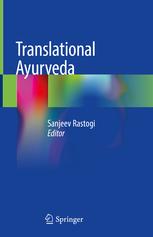 Translational Ayurveda
1 × 10 $
Translational Ayurveda
1 × 10 $
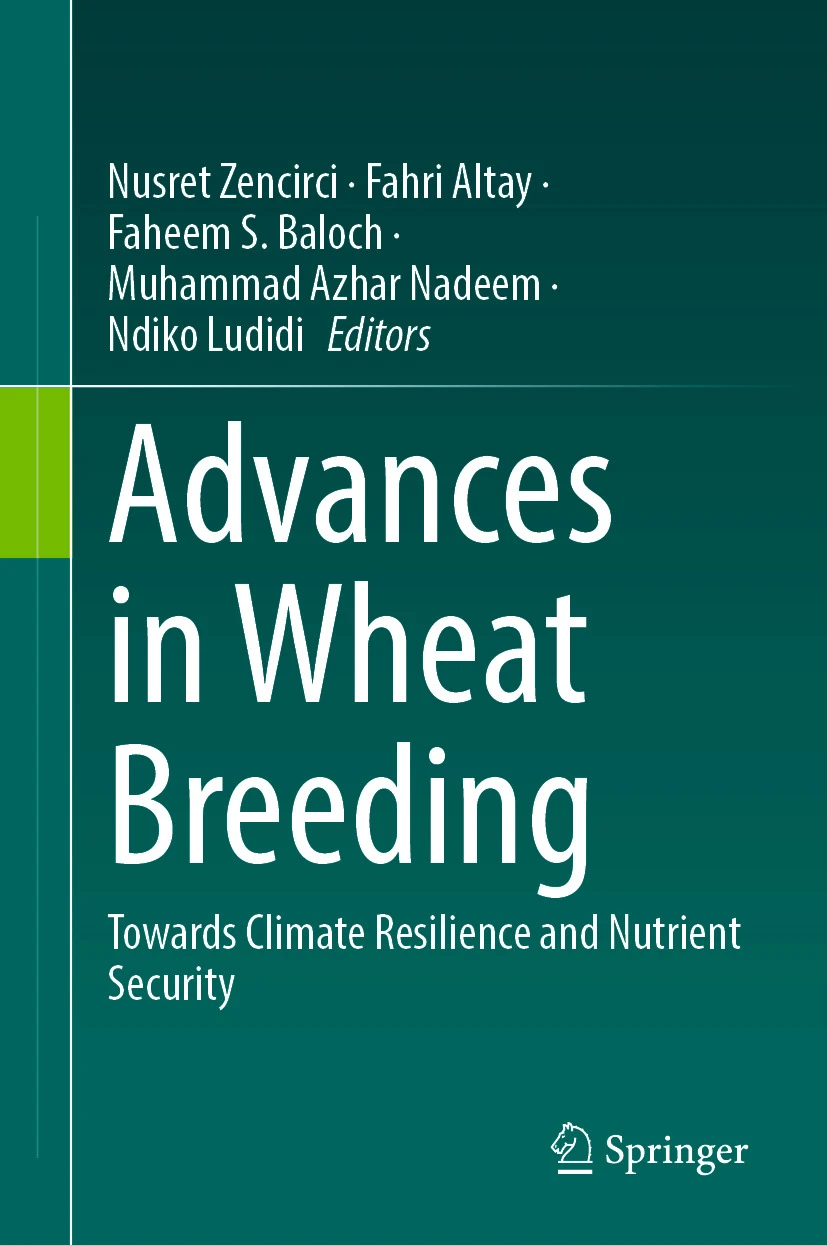
Advances in Wheat Breeding Towards Climate Resilience and Nutrient Security
6 $
Format : Publisher PDF
This edited book addresses the introduction to wheat, advancements in breeding, the contribution of biotechnological approaches, the development of climate-resilient wheat cultivars, and biofortification efforts to create nutrient-rich wheat cultivars.The world faces simultaneous challenges of a growing population and climate change. It is anticipated that the world population will exceed 9 billion by 2050. Meanwhile, climate change significantly impacts agriculture through uneven patterns, expected to worsen in the coming years, resulting in substantial losses due to biotic and abiotic stresses. Wheat, a staple food for millions worldwide, requires more studies to develop climate-resilient cultivars with improved nutritional content. Given these considerations, it is crucial to understand the activities conducted for wheat breeding and address the current gap to ensure an ample food supply for future generations.This book is beneficial for researchers, teachers, agriculturists, biologists, climate change scientists, and organizations involved in wheat breeding. It also serves as a valuable resource for undergraduate, master, and PhD students interested in wheat.
Product Details:
Edition Number: 1
Be the first to review “Advances in Wheat Breeding Towards Climate Resilience and Nutrient Security”
You must be logged in to post a review.
Related products



Reviews
There are no reviews yet.