

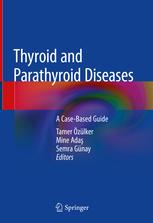
 Thyroid and Parathyroid Diseases: A Case-Based Guide 1st ed. 2019 Edition
  Head and Neck Cancer: An Evidence-Based Team Approach
  Psychological Insights for Understanding COVID-19 and Media and Technology (PDF)
 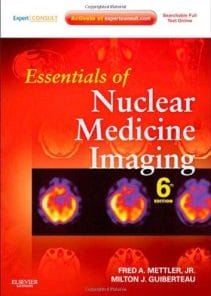 Essentials of Nuclear Medicine Imaging 6th
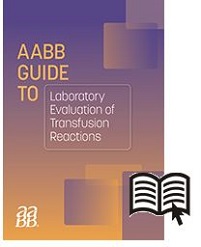
AABB Guide To The Laboratory Evaluation Of Transfusion Reactions (PDF)
20 $
Format : Publisher PDF
File Size : 1 MB
By Wen Lu, MD; Peter R. Pelletier, MD; Kathleen Puca, MD; Glenn Ramsey, MD; and NurJehan Quraishy, MD for the Transfusion Medicine Section Coordinating Committee
The evaluation and diagnosis of a suspected transfusion reaction is a matter of clinical judgment by a physician trained in adverse effects of transfusion. Negative testing results do not always exclude a reaction if there is strong suspicion that the patient’s symptoms are related to blood transfusion. The laboratory evaluation of these events is critical not only for the patient’s health, but also for corrective and preventive actions that are part of process improvement. Contents of this updated reference, the AABB Guide to the Laboratory Evaluation of Transfusion Reactions include step-by-step guidance for:
Hemolytic Transfusion Reactions
Transfusion-Related Acute Lung Injury
Transfusion-Associated Circulatory Overload
Allergic/Anaphylactic Reactions
Septic Transfusion Reactions
Posttransfusion Purpura
Iron Overload
Transfusion-Associated Graft-vs-Host-Disease
Includes an extremely useful Appendix summarizing common acute and delayed transfusion reactions with their associated primary symptoms, additional symptoms, usual timing of onset, initial laboratory evaluation, and confirmatory/supplemental evaluations.
DIGITAL EDITION: AABB, 2021
Be the first to review “AABB Guide To The Laboratory Evaluation Of Transfusion Reactions (PDF)”
You must be logged in to post a review.
Related products




Reviews
There are no reviews yet.