


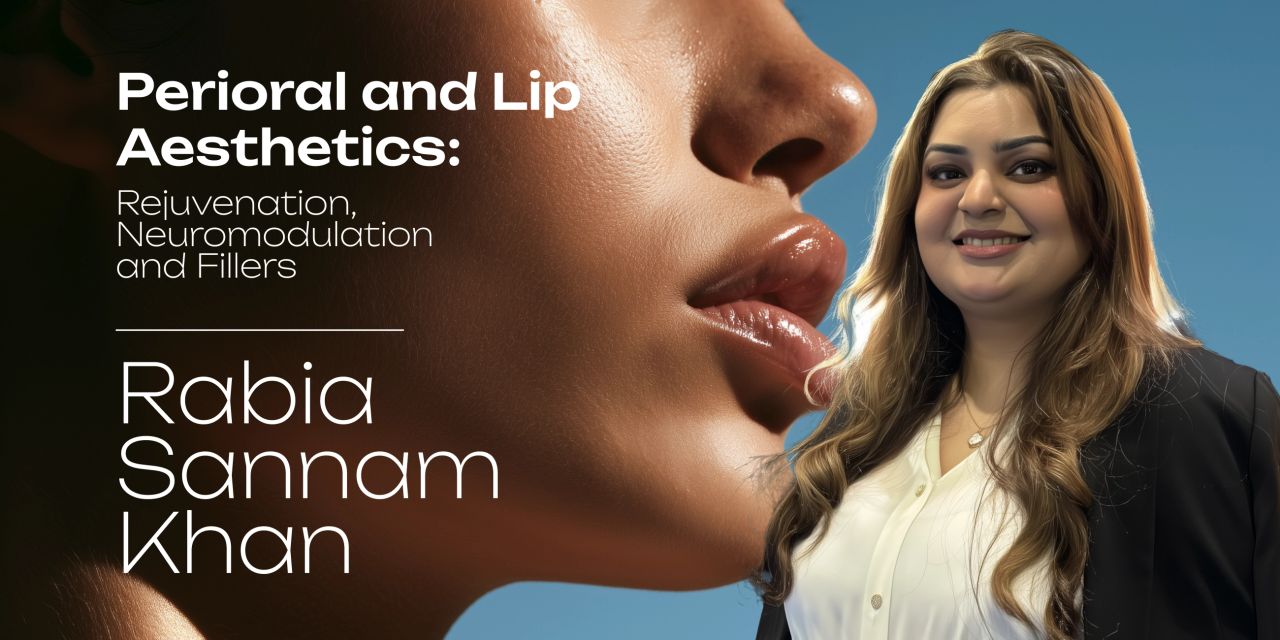
OHI-S Perioral and Lip Aesthetics Rejuvenation, Neuromodulation and Fillers 7 lesson 1h 47m
30 $
Format : Videos + PDF
The “Perioral and Lip Aesthetics: Rejuvenation, Neuromodulation and Fillers” course offers a comprehensive approach to perioral rejuvenation, spanning seven lessons and lasting 1 hour and 47 minutes. Moving beyond treating individual wrinkles, it details how to achieve predictable, natural-looking results by understanding facial aging, muscle dynamics, lip architecture, individual morphotypes, and the properties of injectable materials. The program connects anatomical assessments with age- and morphotype-specific treatment strategies utilizing neuromodulators and dermal fillers.
Learning Objectives
Analyze perioral aging and smile evaluation, including anatomy, muscle dynamics, and clinical assessment.
Evaluate lip architecture and smile harmonization based on facial ratios, perioral lines, and established treatment protocols.
Understand the foundations of neuromodulation, including mechanisms of action, facial morphotypes, and structural changes associated with aging.
Apply age- and gender-specific protocols, encompassing treatment strategies and dosing considerations from the 20s through 60+.
Implement morphotype-based treatment planning through upper- and lower-face case studies and a structured consultation workflow.
Understand multi-layered facial aging mechanics, detailing the role of bone, fat, muscle, and skin in age-related changes.
Evaluate dermal filler science, including material types, rheology, and various hyaluronic acid formulations.
Target Audience
This course is designed for aesthetic practitioners, dermatologists, plastic surgeons, and medical professionals looking to enhance their skills in non-surgical perioral rejuvenation.
Best for Dermatologists, Plastic Surgeons, Aesthetic Medicine Physicians, and Maxillofacial Surgeons.
Topics
Lesson 1. Perioral Aging & Smile Evaluation: Anatomy, Muscle Dynamics & Assessment
Parameters of an attractive smile: modern clinical approaches to smile enhancement
Structural characteristics of facial aging in the perioral region
Pathophysiology and progressive stages of the smile aging process
Applied muscular anatomy relevant to lower-face and perioral rejuvenation
Comprehensive smile assessment: clinical evaluation framework and diagnostics
Skin quality assessment in the lower third of the face
Target indications for perioral rejuvenation procedures
Clinical case studies and treatment plan analysis
Lesson 2. Lip Architecture & Smile Harmonization: Ratios, Perioral Lines & Protocols
Primary objectives and aesthetic goals of lip enhancement
Ideal lip ratios and anatomical proportions across diverse patient profiles
Treating downturned oral commissures: age-related etiology and correction techniques
Perioral wrinkles: etiology and non-surgical treatment options
Gummy smile management: identifying underlying causes and applying targeted protocols
Chin and smile harmony: structural assessment and rejuvenation techniques
Jawline support: anatomical contribution to perioral framing and lower-third definition
Combination treatment case study
Developing individualized, patient-centric treatment plans
Evidence-based analysis: key findings from recent systematic reviews
Aligning patient expectations with realistic, long-term clinical outcomes
Lesson 3. Neuromodulation Foundations: Mechanisms, Morphotypes & Structural Aging
Clinical necessity for individualized botulinum toxin therapy
Botulinum Toxin Type A: pharmacodynamics and mechanism of action
Multilayered impact of facial aging on skin, fat pads, and dynamic muscle tone
Structural analysis: characteristics of the youthful vs. aging face
Classification and analysis of morphological facial types
How face shape, structural mass, and muscle dynamics alter treatment strategies
Lesson 4. Age-Specific Protocols & Gender-Specific Dosing (20s to 60+)
Neuromodulation strategies across distinct age cohorts
Patients in their 20s: preventative dosing and micro-toxin objectives
Patients aged 30–45: managing dynamic rhytids and early tissue changes
Patients aged 45–60: age-related structural skin shifts and supportive dosing
Patients over 60: managing tissue laxity, resting rhytids, and hypertonicity
Male vs. female facial anatomy: structural differences, muscle mass, and dosing adjustments
Lesson 5. Morphotype-Based Upper/Lower-Face Case Studies & Consultation Workflow
Forehead morphological variations and tailored injection mapping
Glabellar muscle complex: hypertonicity patterns and dosing distribution
Periorbital (crow’s feet) management: youth vs. mature protocols and risk mitigation
Lower-face morphological characteristics and dynamic muscle balance
Clinical case analysis: 4 step-by-step morphology-based treatment breakdowns
Identification and prevention of common injection errors and complications
Standardized clinical consultation algorithm and assessment workflow
Key clinical pearls and evidence-based reference review
Lesson 6. Multi-Layered Facial Aging Mechanics: Bone, Fat, Muscle & Skin
Introduction to facial aesthetics and fundamental concepts
Pathophysiology of the multi-layered facial aging process
Age-related skin changes: elastosis, structural rhytids, and sleep compression lines
The Glogau wrinkle scale: classification and clinical application
Adipose dynamics: superficial vs. deep cheek fat compartment changes
Structural comparison: young vs. aging facial characteristics
Muscle hypertonicity and retaining ligament laxity in aging
Craniofacial bone resorption: orbital rim, nasal aperture, and lower-face remodeling
Traditional vs. modern concepts of facial aging with clinical case examples
Lesson 7. Dermal Filler Science: Material Types, Rheology & Hyaluronic Acid Formulations
Facial aesthetics theory: Golden Ratio, Triangle of Beauty, and the Pyramid of Aging
History and evolution of dermal fillers in aesthetic medicine
Resorbable vs. non-resorbable fillers: safety profiles and approved materials
Calcium Hydroxylapatite (CaHA / Radiesse): characteristics, indications, and mechanisms
Poly-L-Lactic Acid (PLLA / Sculptra): characteristics, biostimulation, and usage
Hyaluronic Acid (HA): synthesis, properties, and synthetic vs. animal-derived forms
Dermal filler rheology explained: elastic modulus, viscosity, and cohesivity
Variables affecting filler performance: cross-linking technology, concentration, and particle size
Classification of HA fillers and detailed overview of the Juvéderm Vycross range (Voluma, Volift, Volbella)
Be the first to review “OHI-S Perioral and Lip Aesthetics Rejuvenation, Neuromodulation and Fillers 7 lesson 1h 47m”
You must be logged in to post a review.
Related products


Reviews
There are no reviews yet.