

Oakstone Orthopedics for the Non-Specialist 2026
35 $
Format : videos + pdf, size: GB
Orthopedic for Frontline Clinicians
Orthopedic and musculoskeletal complaints are part of your everyday practice, from back pain and sprains to arthritis, fractures, and sports injuries. Orthopedics for Non-Orthopedists is a thoughtfully curated online video CME program that will help you evaluate, diagnose, and manage common conditions with greater confidence in the primary care, family medicine, internal medicine, urgent care, or hospital setting.
You’ll learn practical examination techniques, evidence-based treatment strategies, appropriate imaging, and when specialty referral is warranted. Through expert-led continuing medical education presentations, you’ll strengthen your approach to acute injuries, chronic musculoskeletal disorders, rehabilitation, and patient-centered care. Evidence-based topics include:
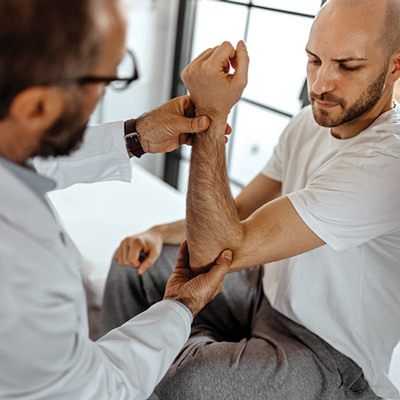
Musculoskeletal examination by body region
Imaging selection and interpretation
Fracture recognition and initial management
Conservative treatment vs. surgical referral
Arthritis, spine, and sports-related conditions
Rehabilitation, bracing, and pain management
Date of Original Release: July 31, 2026
Learning Objectives
Upon completion of this activity, you should be able to:
Describe the initial evaluation of common musculoskeletal complaints, including key elements of history and physical examination
Differentiate common musculoskeletal conditions based on patient history and mechanism of injury to inform accurate diagnosis and initial management
Identify red flags and clinical findings that warrant urgent imaging or specialty referral
Incorporate appropriate initial imaging selection and interpretation for the evaluation of patients with common musculoskeletal presentations
Outline evidence-based non-operative management strategies for common musculoskeletal conditions, including pain management and activity modification
Implement appropriate conservative management and orthopedic referral decisions in practice for patients with common fractures and soft tissue injuries based on clinical findings
Discuss the evaluation and management of common orthopedic issues, including indications for imaging and referral
Apply principles of musculoskeletal care to patients with chronic conditions such as osteoarthritis and overuse injuries
Identify clinical scenarios and criteria that warrant referral to orthopedic or other specialty care
Integrate musculoskeletal assessment, management, and referral decisions into routine clinical practice for patients with multiple or coexisting health conditions
Target Audience
This educational activity is designed for primary care physicians, internists, physical medicine and rehabilitation (PM&R) physicians, family physicians, emergency physicians, and other physicians and physician assistants interested in orthopedic care.
+ Topics:
Evaluating the MSK System – Defining Structures and Terminology — The Language of Orthopedics – Jeanne M. Doperak, DO
Hand, Wrist and Elbow Examination – Daiva Mitchell, MD
Shoulder Examination – Colleen McFarland, MD
Hip Exam – Daniel R. Lueders, MD
Comprehensive Spine Examination – Aaron Li, MD
Knee Exam – Adam Cook, DO
Foot and Ankle Examination – Vatsal Gandhi, DO
Common Foot Pathology and Treatment – Jeffrey R. Bytomski, DO
Common Ankle Pathology and Treatment – Mark Rogers, DO, CAQSM, FAAFP, FAOASM
Knee Injuries – Overuse and Acute – Brian D. Cruickshank, MD
Point-Counterpoint – Surgery vs Conservative Care for Patellar Instability – Elizabeth P. Herrman, DO and Jonathan D. Hughes, MD
Point-Counterpoint – Surgery vs Conservative Care for Meniscal Tears – Douglas Comeau, DO, FAAFP, FAMSSM and Robert J. Nascimento, MD
FAI and Labral Tears of the Hip – Craig S. Mauro, MD
Point-Counterpoint – Surgery vs Conservative Care Hip Labral Tears – Craig S. Mauro, MD and Aaron V. Mares, MD
Common Hip Issues – Mark Sakr, DO, CAQSM
Athletic Pubalgia and Other Core Issues – Douglas A. Reeves, Jr., MD
Hand and Wrist Pathology and Treatment – John M. MacKnight, MD, FACSM
Elbow Pathology and Treatment – Frederick E. Soliman, DO
Common Shoulder Issues Diagnosis and Treatment – Delmas Bolin, MD, PhD
Point-Counterpoint – Surgery vs Conservative Care for Shoulder Instability – Bryson P. Lesniak, MD and Jeanne M. Doperak, DO
Point-Counterpoint – Rotator Cuff Tears Surgical and Non-surgical Considerations – Stephen J. Rabuck, MD and Jeanne M. Doperak, DO
Clavicle, Rib, and Upper Thorax Issues – Molly B. Gruber, DO, CAQSM
Lumbar Spine – Hamza Raja, MD
Cervical Spine – Matthew David Maxwell, MD, MS
Stress Fractures – Kelley A. Anderson, DO
Relative Energy Deficiency in Sports (RED-S) – Common Diagnostic and Treatment Challenges – Anne Marie Zeller, DO
Arthritis and the Aging Athlete – Jeanne M. Doperak, DO
Sideline Emergencies – Jeffrey Feden, MD
Muscle Injuries – Christopher Bullers, MD, CAQSM
Nerve Entrapments – Ryan P. Nussbaum, MD
Orthobiologics – Where Have We Been and Where Are We Going – Everett Wilson, DO, AOBFP, AOASM
Musculoskeletal Ultrasound Clinical Applications – Sean P. Carnahan, DO, CAQSM, Dip. IOC
What to Order and When – Musculoskeletal Guide to Imaging – Ryan D. Schreiter, DO
Common Bone Tumors – Timothy W. Dancy, MD
Common Injections – Jeffrey D. Fleming, DO
Growth Plate Injuries and Other Pediatric Population Problems – Jennifer Daily, MD, CASQM, FAAFP
Fracture Diagnosis and Care – Lower Extremities – Margaret E. Gibson, MD, FAMSSM, FAAFP
Fracture Diagnosis and Care of the Upper Extremities – Mark R. Wisthoff, DO
Physical Therapy – Principals of Rehabilitation – Richard Joreitz, PT, DPT, ATC
Gait Analysis – Sarah Ostop, PT, DPT
Bracing Solutions – Ryan Wilson, DO
Impacts of Chronic Pain and Injury on Mental Health – Alexandra Salerno, LPC, NCC
Nutrition and Healing – Kayla Martin, MS, RD, CSSD, LDN
Be the first to review “Oakstone Orthopedics for the Non-Specialist 2026”
You must be logged in to post a review.
Related products


Reviews
There are no reviews yet.