


MER Primary Care Conferences Dermatology for Primary Care Apr 03-05, 2026
100 $
Format: videos + file sub vtt, size: GB
1. Overview
The “Dermatology for Primary Care” conference is organized by Medical Education Resources (MER), a non-profit organization. The event will take place from April 3-5, 2026, at The Westin Verasa Napa in Napa, CA.
2. Learning Objectives
Upon completion of this program, participants should be better able to:
Differentiate between the presentations and causes of atopic, contact (irritant and allergic), and nummular dermatitis.
Discriminate the diagnostic principles and treatment options for papulosquamous diseases with red, raised bumps.
Discriminate between various viral skin infections and treatment strategies.
Compare the different treatment options for fungal skin infections and nail infections.
Perform a differential diagnosis of common bacterial skin infections and recommend appropriate treatment.
Identify cutaneous findings that serve as surrogates of internal diseases.
Describe the step-wise approach for the diagnosis and treatment of acne and acneiform eruptions.
Identify clinical presentations of various parasitic skin infections including scabies, lice, ticks, and bedbugs.
Employ proper diagnostic principles to monitor and manage patients at risk for skin cancer.
Perform comprehensive and effective treatment of melanomas and other pigmented lesions.
Review basic skin surgeries typically conducted in the primary care office.
Utilize case-based learning to develop treatment plans for dermatologic conditions.
3. Target Audience
This program is targeted to office-based primary care providers and other health professionals with updates in primary care medicine.
4. Topics
Dermatitis: Overview of the causes and forms of skin irritants; Contact, atopic, irritant, nummular, seborrheic and exfoliative; Treatment of blistering, oozing, crusting and flaking; Diagnostic principles and management strategies.
Papulosquamous Diseases: Diagnostic principles of skin lesions consisting of red or purple papules; Psoriasis, lichen planus, pityriasis rosea, lupus erythematosus; Discussion of how to tell one scaly rash from another.
Viral Infections of the Skin: Proper diagnosis and differences in viral skin presentation; Herpes simplex, varicella-zoster, viral exanthems; Molluscum and warts; Treating lasting post-herpetic neuralgia; Symptom management and referral to dermatology.
Bacterial Infections of the Skin: Impetigo, ecthyma, foliculitis, furunculosis, necrotizing fasciitis, Lyme disease, syphilis; diagnosis and management; Guidelines for antibiotic treatment; Management of special populations.
Skin Manifestations of Systemic Disease : Skin will often reflect signs of systemic diseases, be useful for diagnosis, or suffer from a complication of disease or its treatment; Diagnosis of rheumatologic, endocrine, gastrointestinal, and psychologic conditions based on cutaneous findings.
Acne and Acneiform Eruptions: Identification of noninflammatory open or closed comedones and inflammatory lesions; Determination of treatment therapies based on acne grading scale; Bacterial folliculitis, drug-induced acne, hidradenitis suppurativa, miliaria, perioral dermatitis, pseudofolliculitis barbae, rosacea, seborrheic dermatitis; Topical and systemic therapy.
Parasitic Infections of the Skin: Clinical presentations of various parasitic skin infections including scabies, lice, ticks, and bedbugs; Principles of treatment.
Fungal Infections of the Skin: Dermatophytes, tinea versicolor, candidiasis; Selected deep fungal infections; Onycholysis; Drug induced nail changes; paronychia, koilonychia, nail discolorations, tumors of the nail; Fungal infections diagnosis and management; Overview and comparison of antifungal treatment options.
Diagnosis and Management of Patients at High Risk for Skin Cancer: Examination of patients with significant actinic damage; The reduction of skin cancer risk with field treatments; Recognition of the different types of squamous cell skin cancer; Recognition of the different types of basal cell cancer.
Diagnosis and Management of Pigmented Lesions : Recognition of dysplastic nevi and the management of patients with these familial lesions; Identification of melanomas that begin in solar lentigo (liver spots); Identification of melanomas that begin in nevi or de novo; Identification of melanoma in unusual locations; Identification of lesions for early biopsy.
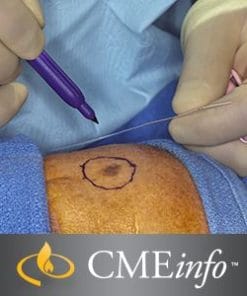
Skin Surgery for Primary Care: Techniques and procedures to perform common dermatology procedures in the office setting; Biopsy techniques for shave, punch, and excision; Instruction and best practices for local anesthesia; Overview and proper setting for cryosurgery.
Dermatology Cases : Challenging case presentations in dermatology.
Be the first to review “MER Primary Care Conferences Dermatology for Primary Care Apr 03-05, 2026”
You must be logged in to post a review.
Related products





Reviews
There are no reviews yet.