
-
×
 Sexually Transmitted Infections: Diagnosis, Management, and Treatment
1 × 4 $
Sexually Transmitted Infections: Diagnosis, Management, and Treatment
1 × 4 $ -
×
 Ocular Surface Disease: Cornea, Conjunctiva and Tear Film
1 × 4 $
Ocular Surface Disease: Cornea, Conjunctiva and Tear Film
1 × 4 $ -
×
 Pharmacology of Ocular Therapeutics (PDF)
1 × 4 $
Pharmacology of Ocular Therapeutics (PDF)
1 × 4 $ -
×
 Epidemiology of Thyroid Disorders (EPUB)
1 × 4 $
Epidemiology of Thyroid Disorders (EPUB)
1 × 4 $ -
×
 The Licensing Exam Review Guide in Nursing Home Administration, Seventh Edition
1 × 4 $
The Licensing Exam Review Guide in Nursing Home Administration, Seventh Edition
1 × 4 $ -
×
 History of Infectious Disease Pandemics in Urban Societies
1 × 4 $
History of Infectious Disease Pandemics in Urban Societies
1 × 4 $ -
×
 Stem Cells: New Frontiers in Science & Ethics
1 × 4 $
Stem Cells: New Frontiers in Science & Ethics
1 × 4 $ -
×
 Psychological Insights for Understanding COVID-19 and Media and Technology (PDF)
1 × 4 $
Psychological Insights for Understanding COVID-19 and Media and Technology (PDF)
1 × 4 $ -
×
 Lippincott's Concise Illustrated Anatomy: Volume 2: Thorax, Abdomen & Pelvis
1 × 4 $
Lippincott's Concise Illustrated Anatomy: Volume 2: Thorax, Abdomen & Pelvis
1 × 4 $ -
×
 Renal Physiology: A Clinical Approach (Integrated Physiology Series)
1 × 4 $
Renal Physiology: A Clinical Approach (Integrated Physiology Series)
1 × 4 $
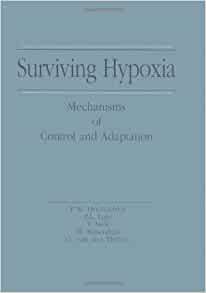
Surviving Hypoxia: Mechanisms of Control and Adaptation (EPUB)
6 $
File Size = 5.70 MB
Surviving Hypoxia: Mechanisms of Control and Adaptation (EPUB)
By Peter W. Hochachka, Peter L. Lutz, Thomas J. Sick, Myron Rosenthal
Surviving Hypoxia: Mechanisms of Control and Adaptation is a synthesis of findings and thoughts concerning hypoxia. The thermodynamics of hypoxia are discussed in detail, including acid-base balance and self-pollution resulting from the accumulation of anaerobic end-products. The book focuses on descriptions and discussions of common facets, contrasting solutions in a variety of physiological hypoxia defense strategies, including those shown by plants, invertebrates, and vertebrates. Special treatment is given to the distinctive problems that hypoxia presents to vulnerable organs such as the kidney, liver, and brain. It also addresses pathological events in addition to protective mechanisms. Clinical implications of basic research are examined in the book, which provides new insights into underlying pathological processes occuring in hypoxic-induced organ failure and indicates new paths for successful clinical intervention. Surviving Hypoxia: Mechanisms of Control and Adaptation is an excellent reference for all researchers interested in the physiological effects of hypoxia, underlying pathological events, and protective mechanisms.
Product Details
- Publisher : CRC Press; 1st edition (March 24, 1993)
- Language : English
- Digital eBook : 592 pages
- ISBN-10 : 0849342260
- ISBN-13 : 978-0849342264
Related products