
-
×
 ECGAcademy: Basic to Advanced Theory + Chalktalk Videos (up to December 2016)
1 × 6 $
ECGAcademy: Basic to Advanced Theory + Chalktalk Videos (up to December 2016)
1 × 6 $ -
×
 Telemedicine and Electronic Medicine
1 × 4 $
Telemedicine and Electronic Medicine
1 × 4 $ -
×
 Pharmacology of Ocular Therapeutics (PDF)
1 × 4 $
Pharmacology of Ocular Therapeutics (PDF)
1 × 4 $ -
×
Comprehensive Review of Pediatrics 2014 (CME Videos)
1 × 10 $ -
×
 Ocular Surface Disease: Cornea, Conjunctiva and Tear Film
1 × 4 $
Ocular Surface Disease: Cornea, Conjunctiva and Tear Film
1 × 4 $ -
×
 Dynamic Ophthalmic Ultrasonography: A Video Atlas for Ophthalmologists and Imaging Technicians (PDF)
1 × 4 $
Dynamic Ophthalmic Ultrasonography: A Video Atlas for Ophthalmologists and Imaging Technicians (PDF)
1 × 4 $


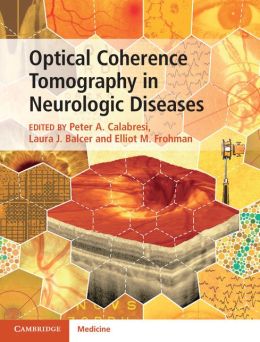
Optical Coherence Tomography in Neurologic Diseases
5 $
Optical Coherence Tomography in Neurologic Diseases
by Peter A. Calabresi (Editor), Laura J. Balcer (Editor), Elliot M. Frohman (Editor)
Optical coherence tomography [OCT] provides tissue morphology imagery at much higher resolution than other imaging modalities such as MRI or ultrasound, and the machines are comparatively cheaper. It is an easy technique to perform; is non-ionizing, and therefore safe. These benefits are driving a rapid transformation of OCT, from its principal application as a research tool, into an extension of the ‘neurological examination’ in routine office practice. Originally used in assessing the severity of tissue damage and prognosis of multiple sclerosis and various neuro-ophthalmic conditions, OCT is increasingly used in other neurological disorders such as Parkinson’s disease, ALS, and Alzheimer’s disease. This book is the first comprehensive review of the use of OCT in neurological diseases. The coverage includes a description of the technique and its utilization in a variety of neurologic conditions. Essential reading for neurologists, neuro-ophthalmologists, and neuroradiologists wanting an introductory account of the clinical applications of OCT.
Product Details
- ISBN-13: 9781107041301
- Publisher: Cambridge University Press
- Publication date: 5/31/2015
- Pages: 224
Related products