

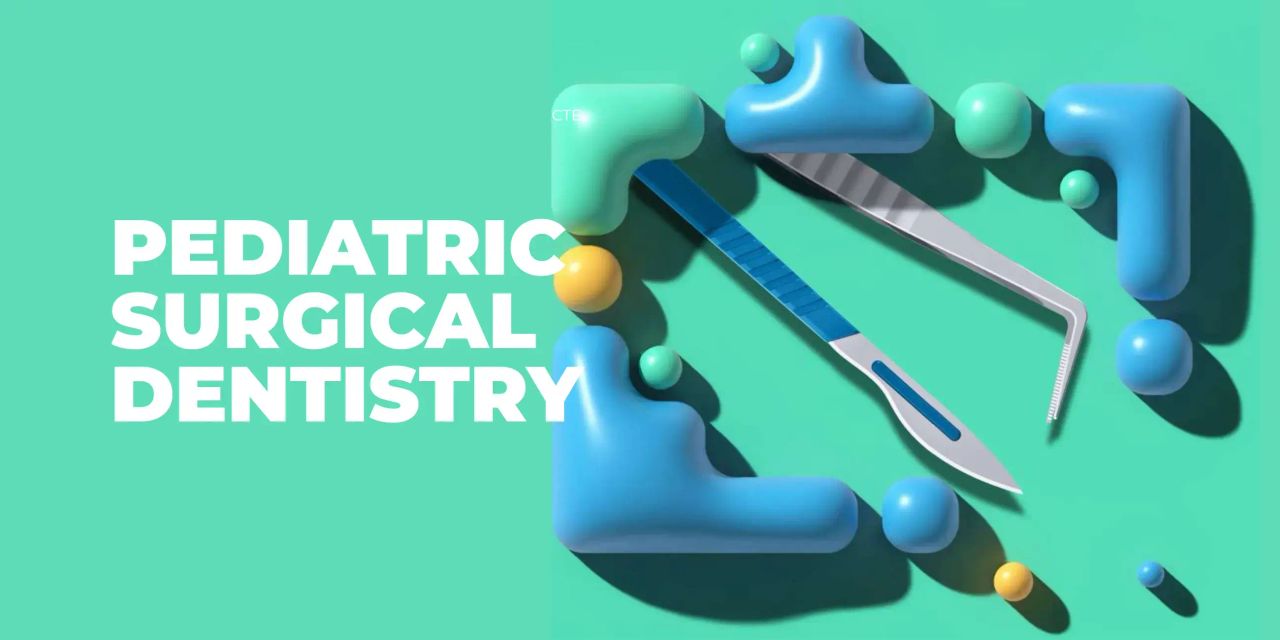
OHI-S Pediatric surgical dentistry
60 $
6 lessons + 1 free (7h 51min)
Course that teaches all important topics in pediatric dental surgery:
– X-ray diagnostics
– Anesthesia
– Tooth extraction
– Dental trauma & trauma of the maxillofacial region.
This course is a must have training for all dentists who work with children and teenagers!
The OHI‑S Pediatric Surgical Dentistry program is best for pediatric dentists, oral surgeons, and general dentists who treat children and want structured, training in surgical protocols tailored to pediatric patients. It emphasizes evidence‑based, minimally invasive approaches that balance functional outcomes, aesthetics, and child‑specific considerations such as growth, cooperation, and long‑term oral health.
Who Should Enroll
Pediatric dentists performing surgical procedures such as frenectomies, extractions, or minor soft‑tissue surgeries in children.
Oral & maxillofacial surgeons managing complex pediatric surgical cases (impacted teeth, trauma, pathology).
General dentists who treat children and want to expand their surgical skill set safely.
Residents & fellows in pediatric dentistry or oral surgery seeking structured training in child‑focused surgical protocols.
Dental hygienists & assistants supporting pediatric surgical workflows and patient management.
What You’ll Learn
Child‑specific surgical protocols: techniques adapted to pediatric anatomy and growth.
Soft‑tissue procedures: frenectomy, gingivectomy, and minor mucogingival surgeries.
Hard‑tissue procedures: extractions, exposure of impacted teeth, and management of trauma.
Behavioral management: strategies for communication and cooperation during pediatric surgery.
Interdisciplinary integration: collaboration with orthodontics and restorative dentistry for long‑term outcomes.
Case‑based lessons: real examples of pediatric surgical dentistry in clinical practice.
+ Topics:
Lesson 1.Dental X-rays: pathology or not?
– Orthopantomogram: limitations in diagnosis
– Phantom images on the orthopantomogram
– Calcification of the carotid artery on an orthopantomogram
– Diagnosis of nasal canal cyst
– Single bone cyst
– Accidental findings on orthopantomogram and CBCT
– Diagnosis of diseases of the salivary glands: sialography
– Ossification of the anterior longitudinal ligament of the spine
– Ossification of the stylohyoid ligament: Eagle syndrome.
Recommended for: Pediatric dentists, Oral and maxillofacial surgeons.
Lesson 2.Tooth extractions – background, technique and pain management. Introductory lesson
– Traditional extraction : indications and contraindications
– Difficulties in tooth extraction
– X-ray evaluation of the tooth prior to extraction
– Ergonomics when extracting teeth
– 3 mechanical principles of tooth extraction
– Fundamental principles of atraumatic extraction
– Tooth extraction protocol
– Post-extraction treatment of the socket
– Transalveolar tooth extraction:
– Principles of flap formation
– Indications and contraindications.
– When you can leave a fragment of the root: 3 conditions
– Extraction of impacted teeth: indications.
Recommended for: Pediatric dentists, Oral and maxillofacial surgeons.
Lesson 3.Tooth extractions – background, technique and pain management
– Traditional extraction : indications and contraindications
– Difficulties in tooth extraction
– X-ray evaluation of the tooth prior to extraction
– Ergonomics when extracting teeth
– 3 mechanical principles of tooth extraction
– Fundamental principles of atraumatic extraction
– Tooth extraction protocol
– Post-extraction treatment of the socket
– Transalveolar tooth extraction:
– Principles of flap formation
– Indications and contraindications.
– When you can leave a fragment of the root: 3 conditions
– Extraction of impacted teeth: indications
– Index of the complexity of third molars extraction
– Indications for CBCT prior to the extraction of the third molars
– The method of extracting the third molars
– Tactics of conducting a socket after tooth extraction
– Prevention of hemorrhage
– Pain control during postoperative period.
Recommended for: Pediatric dentists, Oral and maxillofacial surgeons.
Lesson 4.Pediatric dentofacial trauma: treatment
– Pediatric dentofacial trauma: epidemiology and aetiology
– Types of dentofacial trauma in children
– Examination algorithm of a patient with trauma
– Dental alveolar injuries in children and methods of their treatment:
– Primary teeth damage
– Permanent teeth damage.
– Periodontal tissue damage: tactics and prognosis
– Concept for the treatment of a luxated tooth
– Protocol of replantation in case of complete avulsion
– Damage to the alveolar process: treatment methods
– Splinting in case of trauma: methodology and requirements
– Soft tissues trauma
– Facial bone fractures in children.
Recommended for: Pediatric dentists, Oral and maxillofacial surgeons.
Lesson 5.Emergency dental management in real clinical situation: updates
– Algorithm of first aid in case of injury
– Diagnosis and treatment planning
– Classification of dental trauma
– Determination of pulp viability: laser dopplerometry
– Damage to the hard tissues of the tooth: types and tactics
– Treatment protocols for extrusion and incomplete dislocation of the tooth
– Tactics and prognosis for teeth discoloration
– Embedded teeth discoloration: treatment and complications
– Protocol of splinting teeth in case of injury
– Drug therapy for dental trauma
– Complications of dental trauma: tooth resorption.
Recommended for: Pediatric dentists, Oral and maxillofacial surgeons.
Lesson 6.Complications of dental trauma: external resorption
– Root resorption: terminology and definition
– Resorption triad: factors of resorption development
– Classification of tooth resorption:
– Pathological and physiological resorption
– Internal and external resorption.
– Characteristics and causes of external resorption
– Ankylosis: distinctive features and connection with resorption
– External replacement resorption: histological aspects
– Factors of development of external replacement resorption
– Diagnosis and treatment of external resorption
– Storage of avulsed tooth: manual
– Splinting in the management tactics of patients with dental trauma: protocol
– Extraoral endodontic treatment of avulsed tooth: advantages and disadvantages
– Prevention of external resorption.
Recommended for: Pediatric dentists, Oral and maxillofacial surgeons.
Lesson 7.Complications of Dental Trauma: internal resorption
– Types of internal resorption of teeth
– Etiology and pathophysiology of internal resorption
– Clinical and radiological signs of internal resorption
– Internal surface resorption: causes and prognosis
– Prevention of internal inflammatory resorption after injury
– Internal resorption treatment protocol
– Internal replacement resorption: tactics
– Long-term results of internal resorption treatment.
Recommended for: Pediatric dentists, Oral and maxillofacial surgeons.
Format :7 videos + 7 audios + 7 file sub vtt, size: 4.6 GB
Be the first to review “OHI-S Pediatric surgical dentistry”
You must be logged in to post a review.
Related products
Dental Ebook And Video
60 $
Dental Ebook And Video
ITI International Team for Implantology Webinar & Video Lectures Package Part-3
50 $

Dental Ebook And Video
Vertical Preparation Protocols: The Complete Guide in 24 Lessons from Tomorrow Tooth
38 $
Dental Ebook And Video
ITI International Team for Implantology Webinar & Video Lectures Package Part-1 (99 Videos)
60 $
Dental Ebook And Video
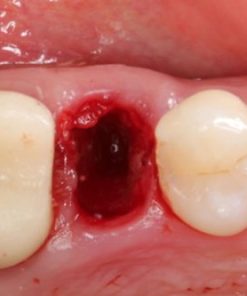
Extraction Socket – Preservation/Grafting; Immediate vs Delayed Implants; Pontic Site Development
38 $
Reviews
There are no reviews yet.