

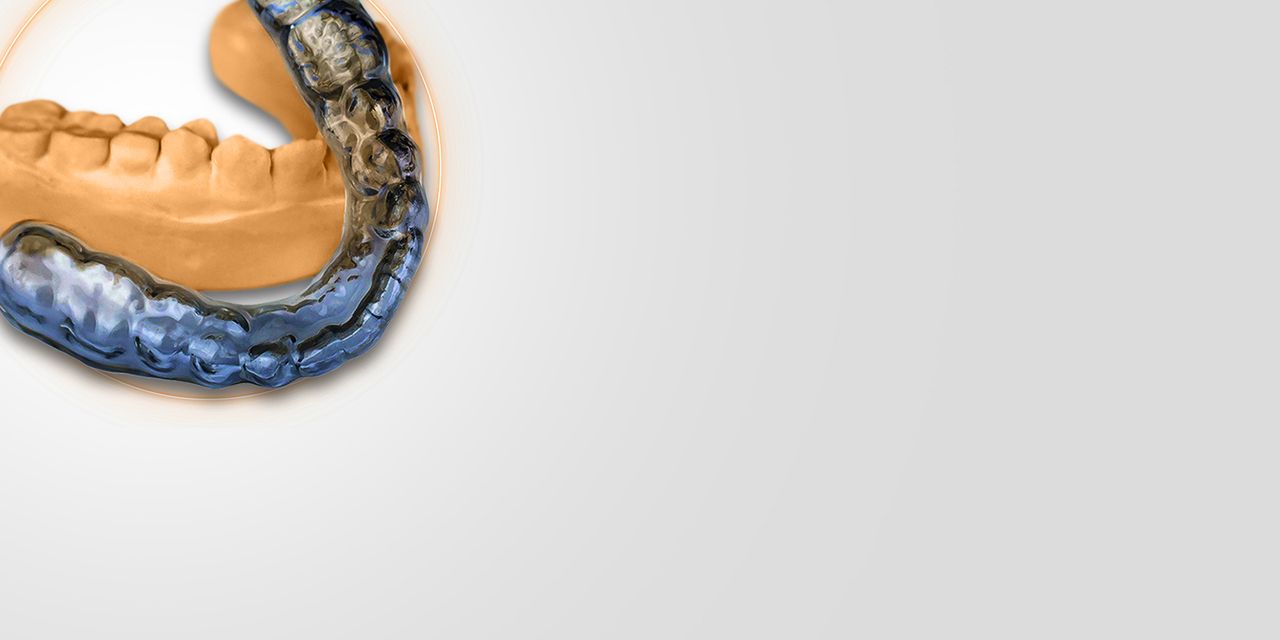
OHI-S OCTA concept Occlusal architecture to secure orthodontic or prosthodontic adults treatments
15 $
Format :2 videos + 2 audios + 2 file sub vtt, size: 1.56 GB
2 lessons (3h 5min)
The OHI‑S OCTA Concept – Occlusal Architecture to Secure Orthodontic or Prosthodontic Adult Treatments course is best for orthodontists, prosthodontists, restorative dentists, and dental technicians who want structured, training in occlusal design principles that ensure stability and predictability in adult treatments. It emphasizes evidence‑based occlusal architecture as the foundation for long‑term success in orthodontic corrections and prosthetic rehabilitations.
Who Should Enroll
Orthodontists planning adult treatments where occlusal stability is critical for retention and long‑term success.
Prosthodontists rehabilitating adult patients with complex occlusal and functional demands.
Restorative dentists & general practitioners performing crowns, bridges, or veneers who want to integrate occlusal architecture principles.
Periodontists considering occlusal forces in periodontal stability and prosthetic planning.
Dental technicians fabricating prostheses that must harmonize with occlusal design and functional balance.
Residents & fellows in orthodontics, prosthodontics, or restorative dentistry seeking advanced occlusion‑focused training.
What You’ll Learn
OCTA concept fundamentals: principles of occlusal architecture for adult orthodontic and prosthodontic cases.
Functional occlusion: ensuring stability, comfort, and long‑term retention.
Integration with orthodontics: how occlusal design secures orthodontic corrections in adults.
Integration with prosthodontics: protocols for crowns, bridges, and full‑mouth rehabilitations.
Case‑based lessons: real examples of occlusal architecture applied to adult treatments.
+ Topics:
Lesson 1.Occlusal architectonics. Part 1
– OCTA concept: 8 criteria
– Zero occlusion: good or bad
– Determinants of the reconstructions and necessity of an architectural guideline
– Occlusal architectonics
– Special equipment for working with occlusion
– Registration of occlusion. New concept
– Worn dentition treatment
– Choose and record the reference plane
– Choose and record the reference position
– Choose and record the therapeutic position including vertical dimension of occlusion
– Choose the situation (position and inclination) of the mandibular anterior teeth.
Lesson 2.Occlusal architectonics. Part 2
– Choose the situation (position and inclination) of the maxillary anterior teeth
– Choose the radius of the curve of Spee and then the inclination of the occlusal plane
– Choose the inclination of the cusp guiding slopes
– Choose the guidance concept and radius of curves of Wilson
– Transfer wax-up into a second generation provisional reconstruction
– Mesial drift
– Condylography. Analysis of results
– Stability of orthodontic or prosthodontic adults treatments.
Be the first to review “OHI-S OCTA concept Occlusal architecture to secure orthodontic or prosthodontic adults treatments”
You must be logged in to post a review.
Related products
Dental Ebook And Video
ITI International Team for Implantology Webinar & Video Lectures Package Part-1 (99 Videos)
60 $
Dental Ebook And Video
FOR Esthetic Soft Tissue – Inaki Gamborena, Patrick Rutten and Luc Rutten
30 $
Dental Ebook And Video
ITI International Team for Implantology Webinar & Video Lectures Package Part-4
50 $
Dental Ebook And Video
Plastic-Esthetic Periodontal and Implant Surgery: The Special DVD Compendium
39 $
Dental Ebook And Video
Vertical Preparation Protocols: The Complete Guide in 24 Lessons from Tomorrow Tooth
38 $
Reviews
There are no reviews yet.