
-
×
 Genetic Association Studies: Background, Conduct, Analysis, Interpretation
1 × 10 $
Genetic Association Studies: Background, Conduct, Analysis, Interpretation
1 × 10 $ -
×
 Genetics: From Genes to Genomes, 7th Edition (PDF)
1 × 15 $
Genetics: From Genes to Genomes, 7th Edition (PDF)
1 × 15 $ -
×
 First Aid Step 1 Express Videos 2015 (USMLE-Rx)
1 × 5 $
First Aid Step 1 Express Videos 2015 (USMLE-Rx)
1 × 5 $ -
×
 Neurological Emergencies in Clinical Practice (EPUB)
1 × 5 $
Neurological Emergencies in Clinical Practice (EPUB)
1 × 5 $ -
×
UCSF Radiology Review: Comprehensive Imaging 2014 (CME Videos)
1 × 10 $ -
×
 2020 Scottsdale Headache Symposium (CME VIDEOS)
1 × 70 $
2020 Scottsdale Headache Symposium (CME VIDEOS)
1 × 70 $ -
×
 Paediatric Dentistry: Principles and Practice, 2nd Edition (PDF)
1 × 4 $
Paediatric Dentistry: Principles and Practice, 2nd Edition (PDF)
1 × 4 $ -
×
 101+ Careers in Public Health, 2nd Edition
1 × 5 $
101+ Careers in Public Health, 2nd Edition
1 × 5 $ -
×
 Anatomy of Neuropsychiatry: The New Anatomy of the Basal Forebrain and Its Implications for Neuropsychiatric Illness 1st Edition
1 × 10 $
Anatomy of Neuropsychiatry: The New Anatomy of the Basal Forebrain and Its Implications for Neuropsychiatric Illness 1st Edition
1 × 10 $ -
×
 Diagnostic Electron Microscopy: A Practical Guide to Interpretation and Technique 1st Edition
1 × 10 $
Diagnostic Electron Microscopy: A Practical Guide to Interpretation and Technique 1st Edition
1 × 10 $ -
×
The Chicago Infectious Disease Board Review 2014 (CME Videos)
1 × 10 $ -
×
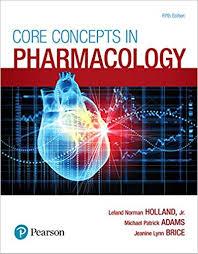 Core Concepts in Pharmacology (5th Edition)
1 × 10 $
Core Concepts in Pharmacology (5th Edition)
1 × 10 $
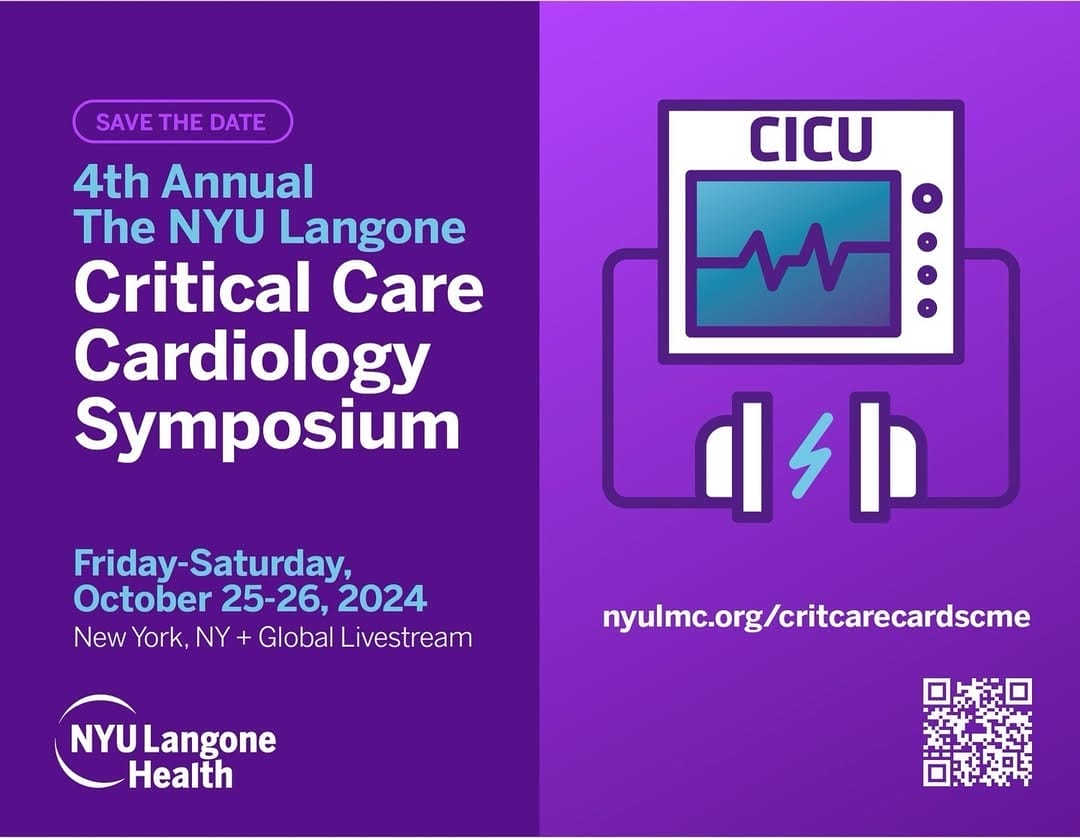
NYU Langone Health 4th Annual NYU Langone Critical Care Cardiology Symposium 2024
85 $
Format : Video + PDF
The growing complexity, acuity and severity of illness of patients admitted to the cardiac intensive care unit (CICU) continues to increase. This is reflected by changes in diagnoses, non-cardiovascular complications and patient co-morbidities. Such changes call for a shift in the approach to treating patients admitted to the contemporary CICU, highlighting the importance of a cardiovascular specialist with a comprehensive understanding of critical care medicine. This fourth annual course will provide a comprehensive, state-of-the-art approach to the management of patients with acute cardiovascular conditions. This will include topics such as cardiogenic shock, cardiac arrest, arrhythmias, acute valvular disease, pulmonary hypertension, right heart failure, toxicology, research in critical care cardiology (CCC), end-of-life issues and valvular heart disease, as well as other non-cardiovascular conditions complicating the cardiac patient. Similarly, it will provide a practical overview of the team-based approach in CCC, including collaborative discussions with other specialties involved in the care of these patients. This course will help fill a knowledge gap that will bolster the clinician’s diagnostic and treatment approach. It will provide evidence-based recommendations and practical suggestions for the management of these patients through didactic lectures, pro/con debates and round tables by world-renowned experts. The program will also include innovative breakout sessions, hands-on simulation training, a research methodology workshop, and an invited poster session to give attendees an opportunity to present their research and interesting cases in CCC.
Educational Objectives
After participating in this activity, clinicians should be able to:
- Diagnose cardiogenic shock and analyze its different phenotypes including right ventricular shock and their specific management challenges and strategies
- Integrate the components of a multidisciplinary shock team and shock network Including optimization of end-organ dysfunction management as a proven strategy to improve outcomes
- Identify key feature to prompt shock team activation and escalation of care with other specialties as needed
- Manage high-complexity conditions in the CICU including, cardiac arrest, congenital heart disease, restrictive cardiomyopathies, right ventricular failure and pulmonary hypertension.
- Utilize practical tips learned from CICU experts to improve outcomes and approach challenging scenarios, including airway and ventilation management, sedation, hemodynamics and arrhythmias
- Integrate into their local CICUs models critical care cardiology research, innovation, training and organizational logistics aimed to improve quality and outcomes
- Utilize multidisciplinary approaches to manage end-of-life issues in the CICU
Target Audience
Practicing clinicians who work in the CICU or are involved in cardiac emergencies, including critical care cardiologists, CICU Stepdown/Telemetry physicians, general cardiologists, interventional cardiologists, heart failure cardiologists, emergency medicine physicians, anesthesiologists, surgeons, palliative care specialists, critical care specialists, nurse practitioners, physician assistants, residents, fellows, medical students, pulmonary hypertension specialists, EMTs and paramedics, pharmacists, physical therapists, respiratory therapists, researchers, educators, nurses, and healthcare administrators
Related products