

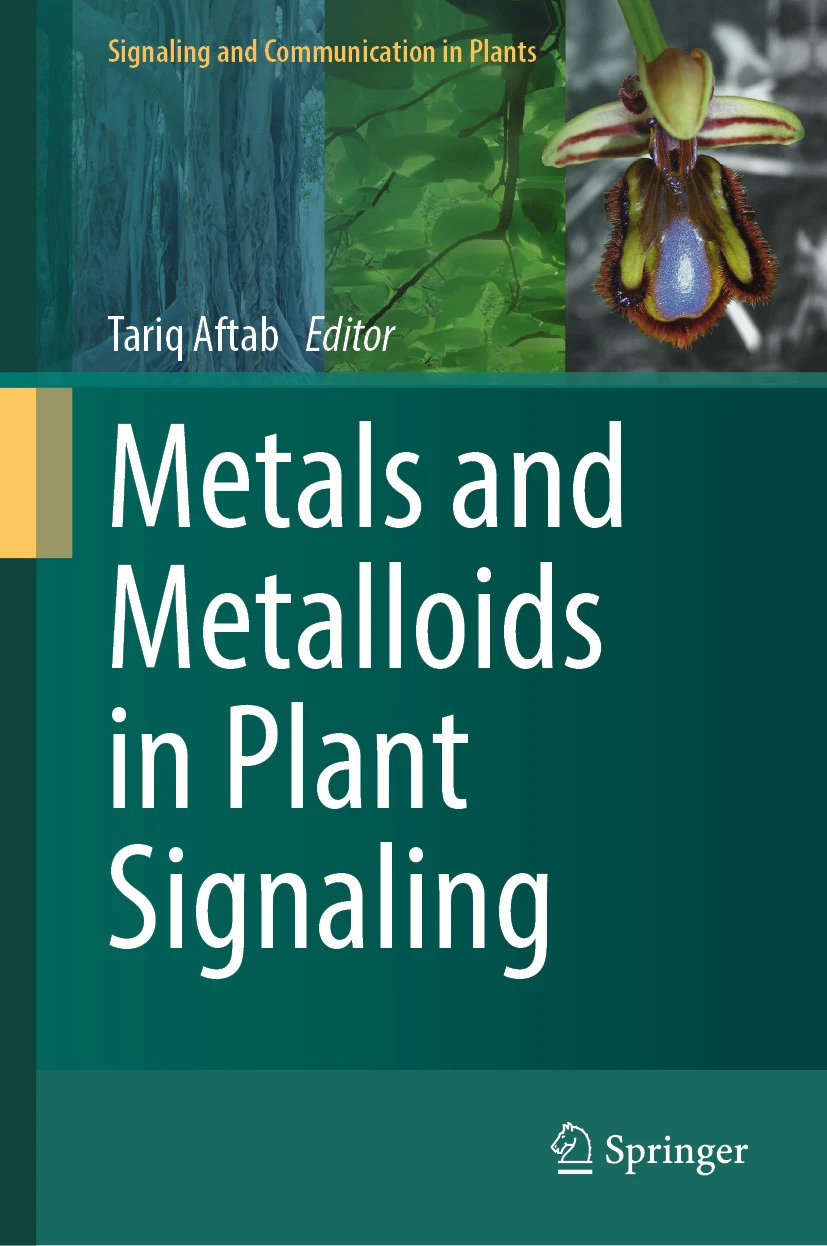
Metals and Metalloids in Plant Signaling
6 $
Format : Publisher PDF
In many parts of the world, soil and water are slightly to moderately contaminated with metals and metalloids such as Cd, Cu, Zn, Ni, Co, Cr, Pb, Si, B and As. This could be due to long-term use of phosphatic fertilizers, sewage sludge application, dust from smelters, industrial waste and bad watering practices in agricultural lands. Beside natural factors, human activities have contributed to the enormous increase in heavy metal and/or metalloid pollution in the environment. Metal and metalloid stress are major abiotic stress factors that limit crop production and reduce agricultural yield. The primary response of plants is the generation of reactive oxygen species (ROS) upon exposure to high levels of metals/metalloids. They either generate ROS directly through Haber-Weiss reactions or overproduction of ROS and occurrence of oxidative stress in plants could be the indirect consequence of metals/metalloids toxicity. The indirect mechanisms include their interaction with the antioxidant system, disrupting the electron transport chain or disturbing the metabolism of essential elements. One of the most deleterious effects induced by heavy metals exposure in plants is lipid peroxidation, which can directly cause biomembrane deterioration.
The impact of metals/metalloids on plant water relations has to be distinguished from their effects on water availability in soils, on root growth, limiting water uptake, as well as other phytotoxic effects. If soils are high in soluble salts (including heavy metal salts), the osmotic potential in the soil solution might be lower than the potential of the cell sap in root. Under these circumstances, the soil solution would severely restrict the rate of water uptake by plants and lead to osmotic stress. Further, the negative influence metals/metalloids have on the growth and activities of soil microorganisms, may also indirectly affect the growth of plants.
In the book “Metals and Metalloids in Plant Signaling”, we elucidated the effects of metals/metalloids on signaling and communication cascades in plants. The general aim of the present book is to provide a comprehensive analysis of the current situation and development in the field and to develop a science-based theoretical foundation for the conceptualization, and practical application. The various chapters are based on the consideration of metals/metalloids in terms of their action on different regulatory and functional systems of plants (signaling, metabolism, uptake, and transport mechanisms, etc.).
Product Details:
Series ISSN:
1867-9048
Be the first to review “Metals and Metalloids in Plant Signaling”
You must be logged in to post a review.
Related products

Reviews
There are no reviews yet.