

-
×
Pediatric Radiology (The Society for Pediatric Radiology) 2014 (CME Videos)
1 × 10 $ -
×
 Sexually Transmitted Infections: Diagnosis, Management, and Treatment
1 × 4 $
Sexually Transmitted Infections: Diagnosis, Management, and Treatment
1 × 4 $ -
×
 Neurovascular Surgery: Surgical Approaches for Neurovascular Diseases
1 × 10 $
Neurovascular Surgery: Surgical Approaches for Neurovascular Diseases
1 × 10 $ -
×
 Survival Guide Psychiatrie (German Edition) (German) Paperback – December 10, 2018
1 × 10 $
Survival Guide Psychiatrie (German Edition) (German) Paperback – December 10, 2018
1 × 10 $ -
×
 Bildgebung des Thorax bei Neugeborenen und Kleinkindern
1 × 10 $
Bildgebung des Thorax bei Neugeborenen und Kleinkindern
1 × 10 $ -
×
 Goodman and Gilman's The Pharmacological Basis of Therapeutics, 12th Edition
1 × 4 $
Goodman and Gilman's The Pharmacological Basis of Therapeutics, 12th Edition
1 × 4 $ -
×
 Paediatric Dentistry: Principles and Practice, 2nd Edition (PDF)
1 × 4 $
Paediatric Dentistry: Principles and Practice, 2nd Edition (PDF)
1 × 4 $ -
×
 Psychological Insights for Understanding COVID-19 and Media and Technology (PDF)
1 × 4 $
Psychological Insights for Understanding COVID-19 and Media and Technology (PDF)
1 × 4 $ -
×
The Brigham Board Review in Infectious Diseases 2014 (CME Videos)
1 × 10 $


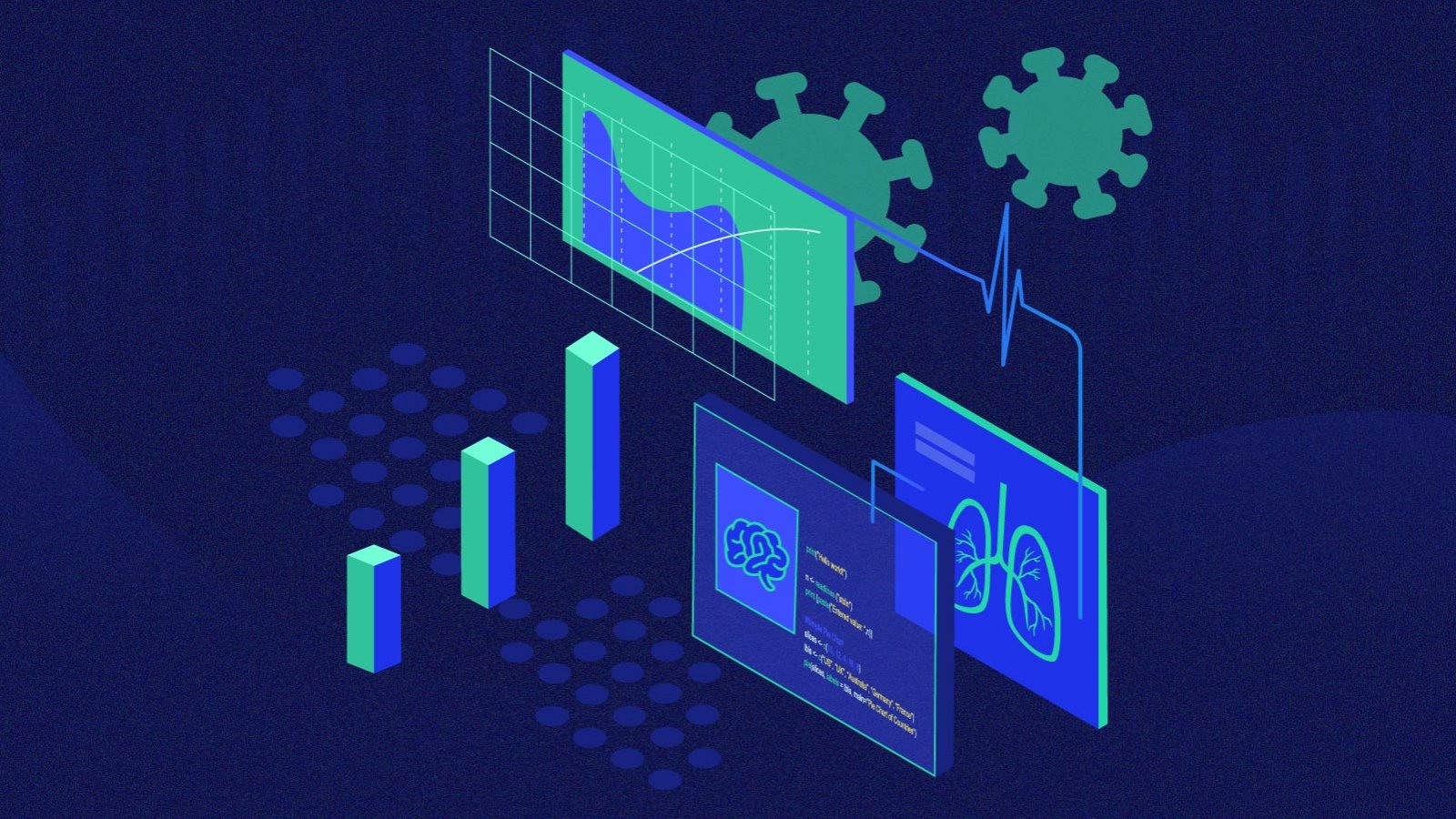
Medical Statistics II – Probability and Inference – Stanford Online (Course)
30 $
Format : 48 MP4 + 49 PDF files
File Size : 3.98 GB
This course teaches statistical inference to draw conclusions about a population based on a representative sample. Students will use hands-on computer simulations in R or SAS to make predictions about data. The course covers the foundations of probability, including basic probability, probability distributions, standard error, confidence intervals, p-values, statistical power, Type I and Type II error, Bayesian statistics, and equivalence testing. Students will also learn how to recognize common statistical misconceptions and errors using real-life examples from medical journals and the popular press.
Medical Statistics II – Probability and Inference – Stanford Online (Course)
After mastering the fundamentals of data analysis in Medical Statistics I, it’s time to take your skills to the next level. Statistical inference allows you to make informed conclusions about a population based on a representative sample.
Why do millennials have higher rates of COVID-19 compared to Gen Z? What factors contribute to childhood obesity in certain ethnic groups? How do certain regions have a higher prevalence of cancer? By expressing probabilities instead of absolute certainty, you can address uncertainties and make meaningful generalizations.
What You’ll Learn:
- Hands-on computer simulations in R or SAS for making predictions using statistical inference
- The foundations of probability, including probability distributions, standard error, confidence intervals, p-values, statistical power, Type I and Type II error, Bayesian statistics, and equivalence testing
- Recognizing common statistical misconceptions and errors through real-life examples from medical journals and popular press
Related products