

-
×
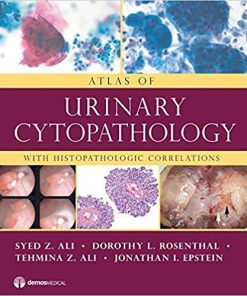 Atlas of Urinary Cytopathology: With Histopathologic Correlations 1st Edition
1 × 10 $
Atlas of Urinary Cytopathology: With Histopathologic Correlations 1st Edition
1 × 10 $ -
×
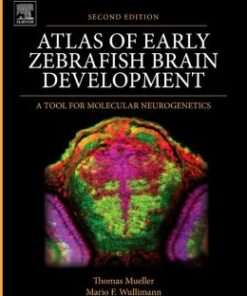 Atlas of Early Zebrafish Brain Development: A Tool for Molecular Neurogenetics
1 × 5 $
Atlas of Early Zebrafish Brain Development: A Tool for Molecular Neurogenetics
1 × 5 $ -
×
 A Comprehensive Guide to Nanoparticles in Medicine (PDF)
1 × 5 $
A Comprehensive Guide to Nanoparticles in Medicine (PDF)
1 × 5 $ -
×
 Human Brain Stem Vessels: Including the Pineal Gland and Information on Brain Stem Infarction 2nd ed. 1999 Edition
1 × 10 $
Human Brain Stem Vessels: Including the Pineal Gland and Information on Brain Stem Infarction 2nd ed. 1999 Edition
1 × 10 $ -
×
 Developability of Biotherapeutics: Computational Approaches
1 × 5 $
Developability of Biotherapeutics: Computational Approaches
1 × 5 $
Exercise and Sport Pharmacology 1st
10 $
by
Exercise and Sport Pharmacology 1st
by
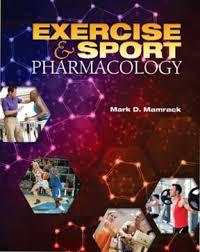
The book is divided into four parts. Part I provides the basics of exercise pharmacology, exercise physiology, and autonomic pharmacology; Part II presents chapters on the major cardiovascular and respiratory drug classes; Part III describes the frequently prescribed medications for such common conditions as diabetes, depression, pain, fever, inflammation, and obesity; and Part IV includes discussions of supplements and commonly used drugs such as caffeine, nicotine, cannabis, and performance-enhancing drugs.
In Parts II through IV, the chapters include an overview of the pathology the drugs are designed to treat, how the drug works in the human body, the effect of exercise on how the body responds to a drug, and how exercise changes the fate of the drug in the body. Chapters also include information on the drug’s possible health risks and whether taking the drug comes under scrutiny of sport-regulating agencies.
Throughout, figures and tables help to illustrate and summarize content. Most chapters open with an on-going case example to apply and preview chapter content. In the text, boldface terms indicate for students which concepts can be found in the book’s Glossary, for easy reference. Chapters conclude with a Key Concepts Review and Review Questions.
Product Details
|
Related products





Basic Medical Book
Surgical Anatomy of the Ocular Adnexa: A Clinical Approach (Ophthalmology Monographs)
6 $