
-
×
 Introduction to Diagnostic Radiology
1 × 10 $
Introduction to Diagnostic Radiology
1 × 10 $ -
×
 Muscle Imaging in Health and Disease
1 × 10 $
Muscle Imaging in Health and Disease
1 × 10 $ -
×
 Pitfalls in Diagnostic Radiology
1 × 10 $
Pitfalls in Diagnostic Radiology
1 × 10 $ -
×
 Individualized Care: Theory, Measurement, Research and Practice
1 × 10 $
Individualized Care: Theory, Measurement, Research and Practice
1 × 10 $ -
×
 Principles and Applications of Radiological Physics: With Pageburst Online Access
1 × 10 $
Principles and Applications of Radiological Physics: With Pageburst Online Access
1 × 10 $ -
×
 LANGE Radiography Review Flashcards
1 × 5 $
LANGE Radiography Review Flashcards
1 × 5 $ -
×
 Ultrasound of the Hand and Upper Extremity: A Step-by-Step Guide 1st Edition
1 × 15 $
Ultrasound of the Hand and Upper Extremity: A Step-by-Step Guide 1st Edition
1 × 15 $ -
×
 Learning Radiology: Recognizing the Basics
1 × 5 $
Learning Radiology: Recognizing the Basics
1 × 5 $ -
×
 Mosby's Comprehensive Review of Radiography: The Complete Study Guide and Career Planner Edition 6
1 × 10 $
Mosby's Comprehensive Review of Radiography: The Complete Study Guide and Career Planner Edition 6
1 × 10 $
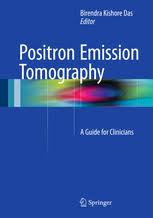
Ebook Positron Emission Tomography: A Guide for Clinicians
10 $
Ebook Positron Emission Tomography: A Guide for Clinicians
by Birendra Kishore Das (Editor)
This book provides basic information about the relatively new and evolving technology –positron emission tomography- for its clinical applications and practical guidance for the referring physicians. Chapters cover application of PET in various clinical settings including oncology, cardiology, and neurology with a focus on role in various cancers. Because most of the new PET equipments come as hybrid machines with CT or MRI, two chapters have been included at the end of the book to provide basic and comprehensive information about these two technologies.
Molecular imaging is going to revolutionize the way we practice medicine in the future. It will lead to more accurate diagnosis of diseases and its extent which will lead to better management and better outcomes. In the history of medicine no imaging modality has ever become so popular for use in such a short time as has the PET technology. PET imaging is mostly used in oncology, neurology and cardiology but also finds application in other situations such as infection imaging. The main focus, of course, is in management of cancer patients. PET (PET-CT) is not only very sensitive as it can detect changes in abnormal biochemical processes at cellular level but in one go all such areas can be detected in a whole body scan. It can show response to therapy, eradication of the disease or recurrence during the follow-up period. One of the main differences between a PET scan and other imaging tests like CT scan or MRI is that the PET scan reveals the cellular level metabolic changes occurring in an organ or tissue. This is important and unique because disease processes begin with functional changes at the cellular level. A PET scan can detect these very early changes whereas a CT or MRI detect changes much later as the disease begins to cause changes in the structure of organs or tissues. Some cancers, especially lymphoma or cancers of the head and neck, brain, lung, colon, or prostate, in very early stage may show up more clearly on a PET scan than on a CT scan or an MRI. A PET scan can measure such vital functions as blood flow, oxygen use, and glucose metabolism, which can help to evaluate the effectiveness of a patient’s treatment plan, allowing the course of care to be adjusted if necessary.
Apart from its vital role in oncology it can estimatebrain’s blood flow andmetabolicactivity. A PET scan can help finding nervous systemproblems, such asAlzheimer’s disease,Parkinson’s disease,multiple sclerosis,transient ischemic attack (TIA),amyotrophic lateral sclerosis (ALS),Huntington’s disease,stroke, andschizophrenia. It can find changes in the brain that may causeepilepsy. PET scan is also increasingly being used to find poor blood flow to theheart, which may meancoronary artery disease. It can most accurately estimate the extent of damage to the heart tissue especially after aheart attack and help choose the best treatment, such ascoronary artery bypass graft surgery, stenting or medical treatment. It can also contribute significantly in identifying areas exactly where radiotherapy is to be targeted avoiding unnecessary radiation exposure to surrounding tissue.
|
Related products
10 $