

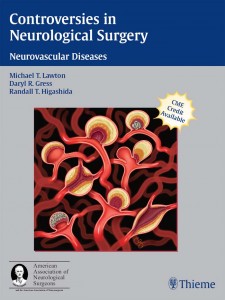
Controversies in Neurological Surgery: Neurovascular Diseases
8 $
Controversies in Neurological Surgery: Neurovascular Diseases
[]
This text provides insights into current trends and controversial issues regarding state-of-the-art techniques in neurosurgery, interventional neuroradiology, and endovascular surgery. The authors confront such questions as: Are unruptured aneurysms managed most effectively by neurosurgical clipping or endovascular coiling? Is surgery or endovascular coiling the best treatment for ruptured cerebral aneurysms of the anterior or posterior cerebral circulation? In managing arteriovenous malformations and fistulas, should clinicians use neurointerventional techniques or surgery, or a combination of both?
Highlights:
- More than 240 excellent illustrations, figures, and radiological images reviewing key concepts
- Detailed coverage of treatments for ischemic diseases, including extracranial and intracranial atherosclerosis
- Discussion of the organizational issues of integrating subspecialties and training subspecialists
This text also offers you the opportunity to earn valuable CME credits online. Neurosurgeons, neuroradiologists, neurologists, vascular surgeons, and specialists will find the book’s balanced coverage of critical current issues in neurosurgery an indispensable aid in making informed decisions.
(A co-publication of Thieme and the American Association of Neurological Surgeons)
Review
This volume is particularly timely as so many changes have occurred in the field of neurovascular diseaseControversies in Neurological Surgery is very well written and belongs in the library of every practitioner involved in the management of neurovascular disease, not only for surgeons, but also for our colleagues in interventional neuroradiology, critical care, and stroke neurology. The authors are to be commended for putting together such a comprehensive and easy-to-read volume.–Journal of NeurosurgeryThis is a highly informative, updated, and well illustrated book. This is an excellent resource for practicing neurosurgeons, neuroendovascular surgeons, and neurologists managing patients with acute stroke condition.–Doody’s Book Reviews
From the Back Cover
This text provides insights into current trends and controversial issues regarding state-of-the-art techniques in neurosurgery, interventional neuroradiology, and endovascular surgery. The authors confront such questions as: Are unruptured aneurysms managed most effectively by neurosurgical clipping or endovascular coiling? Is surgery or endovascular coiling the best treatment for ruptured cerebral aneurysms of the anterior or posterior cerebral circulation? In managing arteriovenous malformations and fistulas, should clinicians use neurointerventional techniques or surgery, or a combination of both?
Highlights:
- More than 240 excellent illustrations, figures, and radiological images reviewing key concepts
- Detailed coverage of treatments for ischemic diseases, including extracranial and intracranial atherosclerosis
- Discussion of the organizational issues of integrating subspecialties and training subspecialists
This text also offers you the opportunity to earn valuable CME credits online. Neurosurgeons, neuroradiologists, neurologists, vascular surgeons, and specialists will find the book’s balanced coverage of critical current issues in neurosurgery an indispensable aid in making informed decisions.
(A co-publication of Thieme and the American Association of Neurological Surgeons)
Product Details
- Digital eBook: 304 pages
- Publisher: Thieme; 1 edition (September 12, 2006)
- Language: English
- ISBN-10: 1588903443
- ISBN-13: 978-1588903440
Related products