


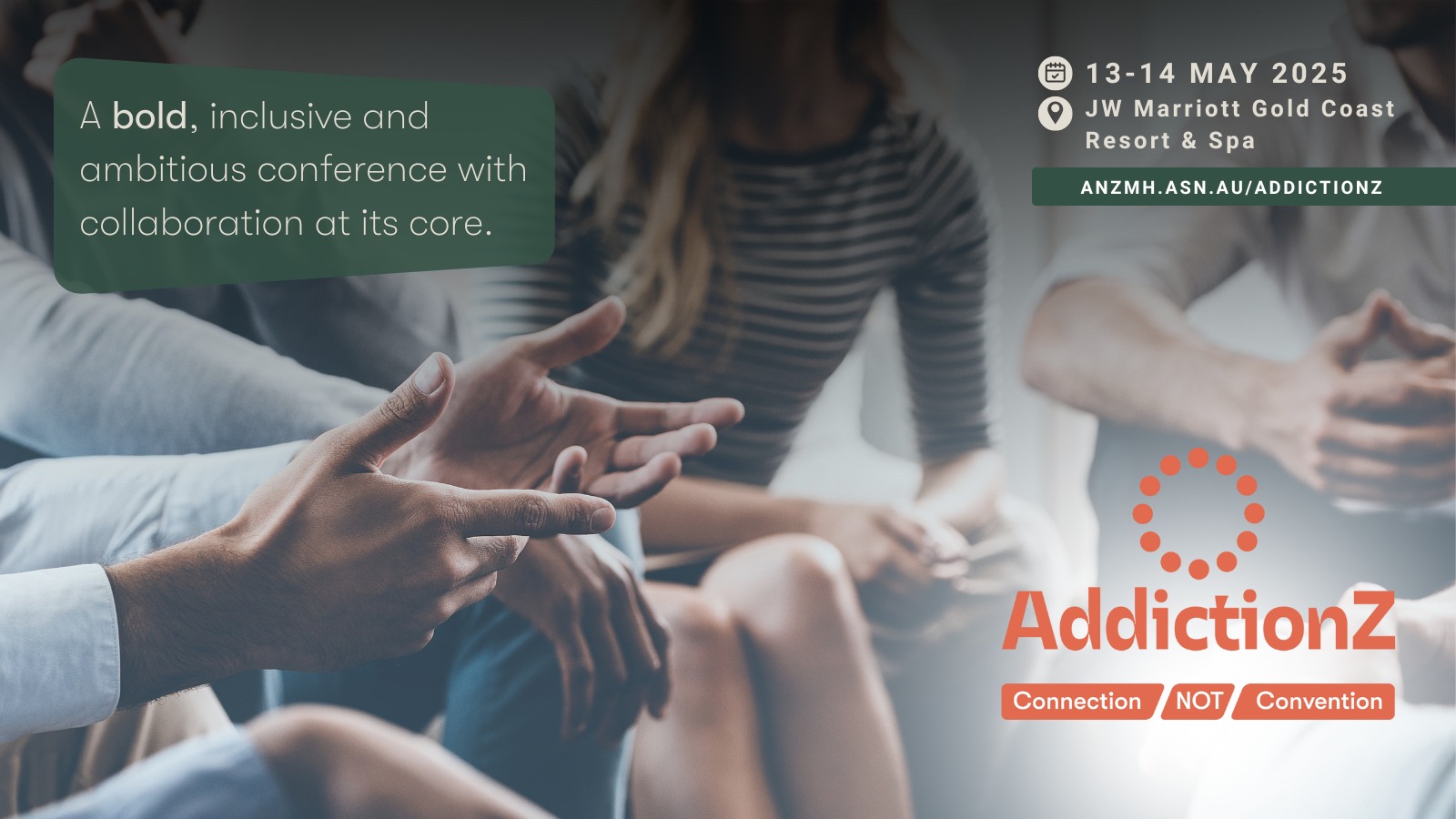
Australian & New Zealand Mental Health Association AddictionZ 2025
40 $
Format : 2 videos + 1 pdf, size: 39.23 GB
A cross-disciplinary program focused on prevention, treatment, and recovery across alcohol, tobacco, and other drugs (ATOD). Sessions blend evidence, policy, and lived experience to turn research into practical services that work in real communities.
What You Will Learn
Screening and brief intervention (SBIRT) tailored to primary care, ED, and community settings
Evidence-based care for alcohol, opioids, stimulants, cannabis, and polysubstance use
Harm reduction and overdose prevention, including post-overdose engagement pathways
Managing co-occurring mental and physical health conditions, trauma, and pain
Youth, perinatal, and culturally safe approaches (First Nations and Māori/Pasifika contexts)
Service design: integrated models, digital health, workforce wellbeing, and quality improvement
Event Details
Format: Keynotes, case studies, concurrent sessions, workshops, and panels
Structure: Prevention & early intervention → Treatment & harm reduction → Recovery & lived experience → Systems & policy
Takeaways: Toolkits, protocols, and metrics you can deploy immediately
Who Should AttendClinicians (medicine, nursing, psychology, social work), peer workers, public health leaders, program managers, NGOs, government and commissioning bodies, researchers, educators, and community advocates.
Why Attend
Convert guidelines and policy into clear, context-fit care pathways
Learn what works from real programs—outcomes, pitfalls, and scalability
Build cross-sector partnerships that improve access, equity, and continuity of care
+ Topics:
*Note: these are continuous video recordings during the conference, they include individual lectures mentioned in the Detail section below
Alcohol, opioids, stimulants, cannabis, vaping and emerging substances
Harm reduction: naloxone, needle/syringe, supervised consumption, safer-use education
Co-occurring conditions: depression, anxiety, PTSD, psychosis, infectious diseases, chronic pain
Youth & perinatal services; family-inclusive and culturally safe care
Justice, homelessness, rural/remote delivery, and disaster-affected communities
Digital tools & data: telehealth, apps, dashboards, privacy and ethics
Workforce: recruitment/retention, supervision, burnout prevention, peer leadership
Evaluation & commissioning: outcomes, ROI beyond dollars (retention, safety, community vitality)
Be the first to review “Australian & New Zealand Mental Health Association AddictionZ 2025”
You must be logged in to post a review.
Related products






Reviews
There are no reviews yet.