

Nursing Books PDF Free Download Links For Students & Professionals – 2025 Edition

Introduction – Why Nursing Books Still Matter in 2025
The Role of Nursing in Modern Healthcare
Nursing is no longer simply about bedside care. In 2025, nurses are recognized as critical decision-makers across hospitals, clinics, and community health settings. From managing ventilators in an ICU to providing health education in rural care units, nurses require broad, evidence-based knowledge.
This is where nursing books prove their timeless value. A well-structured nursing textbook provides both theoretical foundations and practical guidelines for delivering high-quality care.
Why Textbooks Still Matter Despite Digital Age
With online platforms, mobile apps, and AI-powered tutorials everywhere, some students mistakenly assume textbooks are outdated. In reality, nursing books remain indispensable because:
Structured knowledge growth
Nursing books are carefully designed to build knowledge step by step—starting from anatomy, physiology, and fundamentals of care before progressing to specialized fields like psychiatric nursing or maternal health.Evidence-based credibility
Unlike random internet notes, textbooks are peer-reviewed and updated according to current nursing practice standards (such as ANA or NMC guidelines).Examination preparation
Many licensing exams (e.g., NCLEX, CGFNS, HAAD, BDS) derive test questions from standard textbooks like Brunner & Suddarth or Fundamentals of Nursing.Long-term reference
A single investment in a nursing textbook stays useful throughout clinical life—whether writing a care plan, checking pharmacology references, or teaching nursing students later on.
The Financial Barrier
The challenge is that modern nursing education is expensive. A single textbook such as Brunner & Suddarth’s Textbook of Medical-Surgical Nursing may cost over $200. Multiply that by multiple core subjects—pharmacology, pediatrics, critical care—and most students face overwhelming costs every semester.
This creates a strong demand for Nursing Books PDF Free Download resources, which allow:
- Free access to core textbooks.
- Portability—students can carry an entire library on their laptop or tablet.
- Equal opportunity—no student should be disadvantaged due to lack of resources.
Purpose of This Guide
This complete 2025 guide is designed to:
- Introduce the most essential nursing textbooks every student and professional must know.
- Highlight free platforms where these books (or credible alternatives) are available.
- Provide practical tips for building an organized and reliable digital nursing library.
- Balance between legal open-access sources and community-driven platforms for maximum utility.
Whether you’re a first-year BSN student, a graduate nurse preparing for NCLEX, or a clinician expanding into a specialty, this guide will help you find the right nursing books PDF free download links to support your learning journey.
Essential Nursing Textbooks Every Student Should Have
When it comes to building a reliable foundation in nursing education, there are certain textbooks that have stood the test of time. These works are trusted by professors, recommended by licensing boards, and considered “must-have” resources in nursing schools worldwide. Having these books—whether in print or as nursing books PDF free download—can make the difference between struggling to keep up and excelling in both theory and practice.
Below is a curated list of the most important nursing textbooks in 2025, with explanations of their value, target audience, and how they can help students and professionals alike.


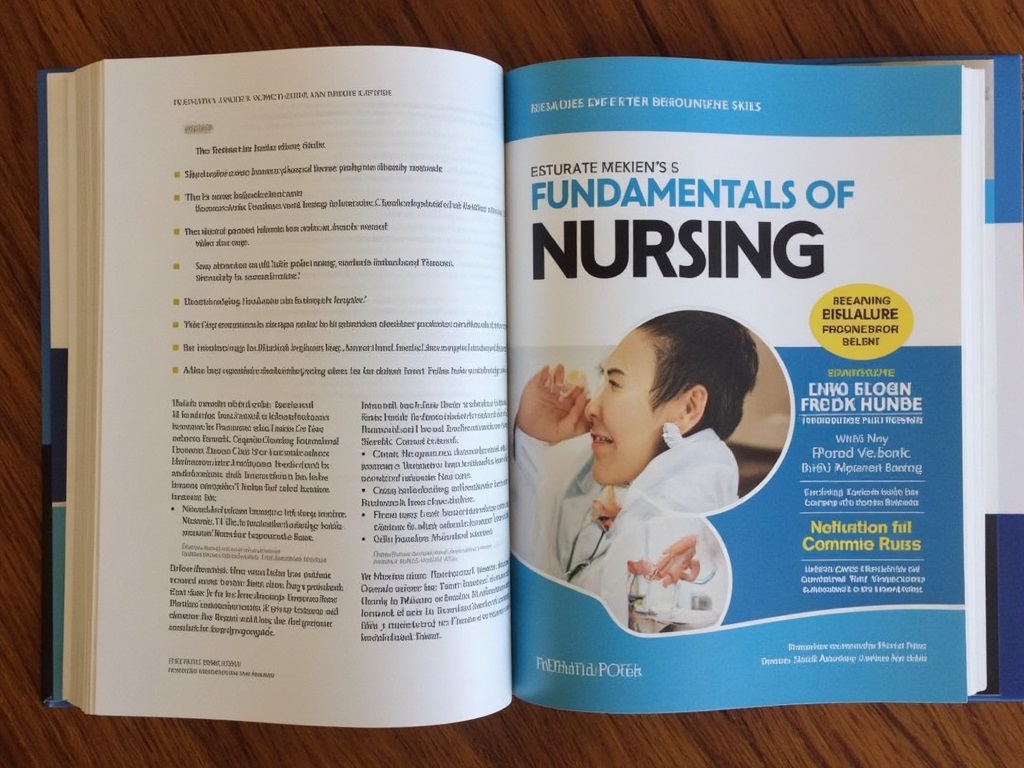
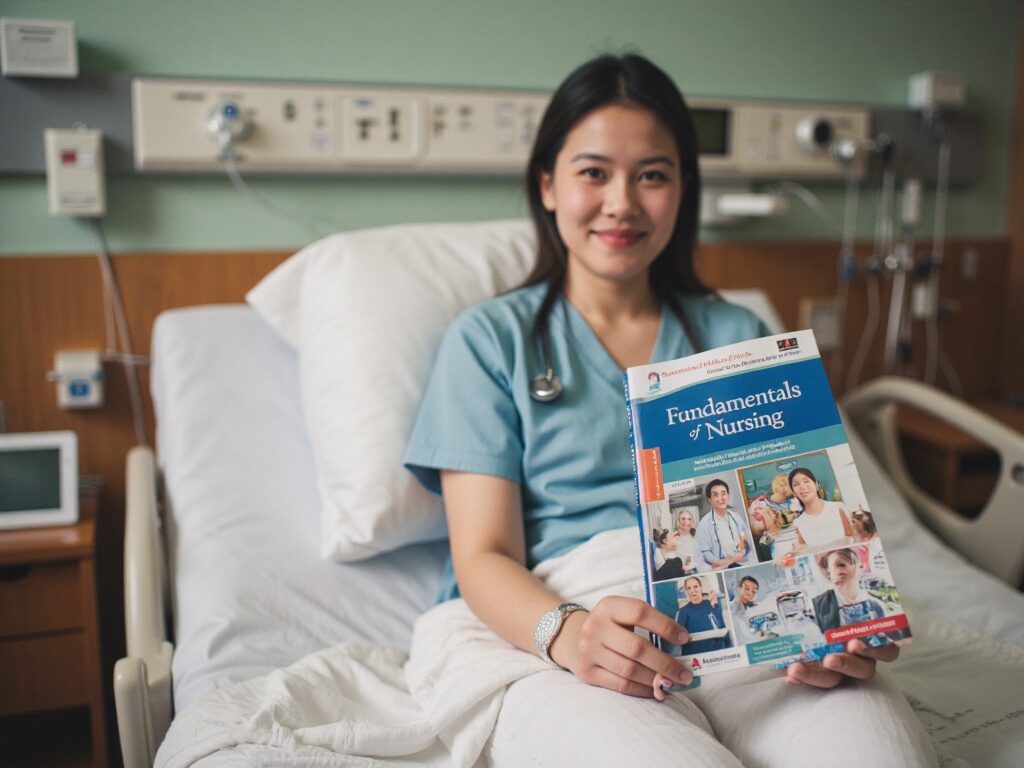
1. Fundamentals of Nursing by Patricia A. Potter & Anne Griffin Perry
Why It’s Essential
Often referred to as the “Nurse’s Bible”, this book introduces the foundation of nursing care: the nursing process, basic clinical skills, communication, cultural sensitivity, and patient-centered care. It simplifies complicated topics into structured steps, making it perfect for beginners.
Key Features
- Clear explanations of infection control, hygiene, mobility, nutrition, and wound care.
- Step-by-step checklists for procedures like inserting IVs or administering injections.
- Latest edition incorporates evidence-based practice updates reflecting modern healthcare challenges.
- Visuals, charts, and skills validation tools for self-assessment.
Best For
- First-year nursing students (BSN, ASN).
- Exam preparation (NCLEX and equivalent licensing exams often cite Potter & Perry).
- Practicing nurses needing a refresh of fundamentals.
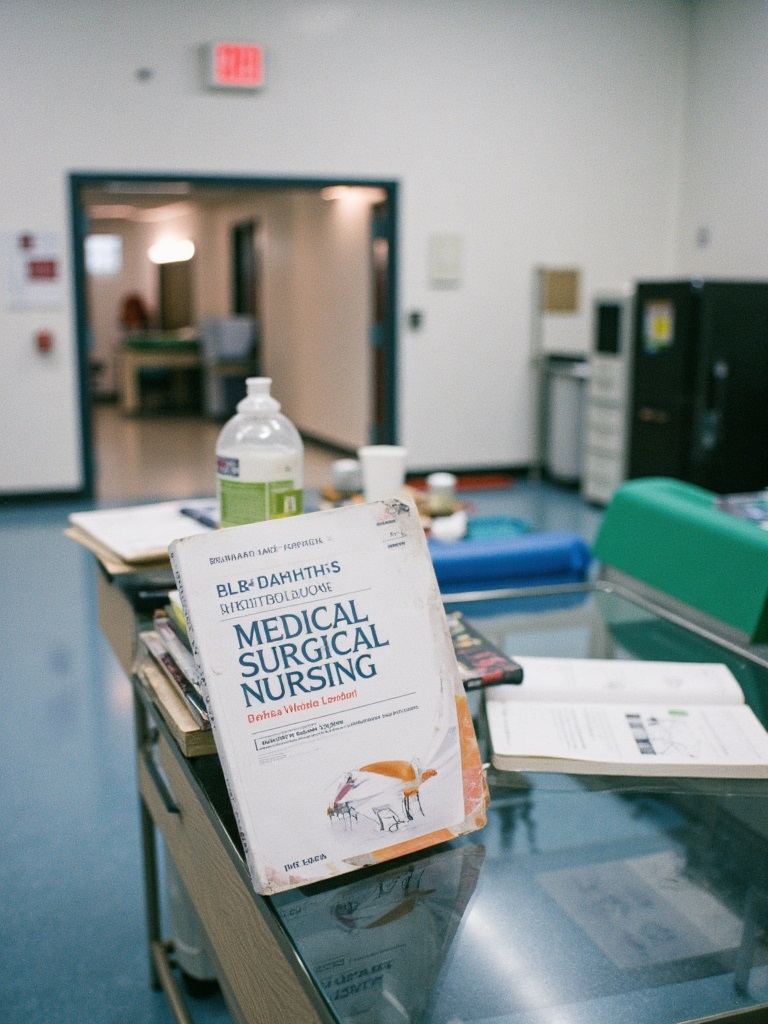
2. Brunner & Suddarth’s Textbook of Medical-Surgical Nursing
Why It’s Essential
This is the gold standard for med-surg nursing worldwide. Often split into two or three volumes due to its size, it serves as the core reference for understanding disease processes and related nursing care.
Key Features
- Comprehensive coverage of every system—from cardiovascular disorders to neurological and endocrine problems.
- Nursing management plans and rationales for each condition.
- Case studies and real-world scenarios for critical thinking.
- Updated editions align with current clinical guidelines.
Best For
- Students in the middle or end of a nursing program.
- Nurses working in hospitals, acute care, or ICUs.
- Review material for advanced exams (NCLEX, CGFNS, NMC).
Extra Tip: Because of its depth, this book can be overwhelming. Students often create self-made summary notes or pair it with NCLEX prep guides.
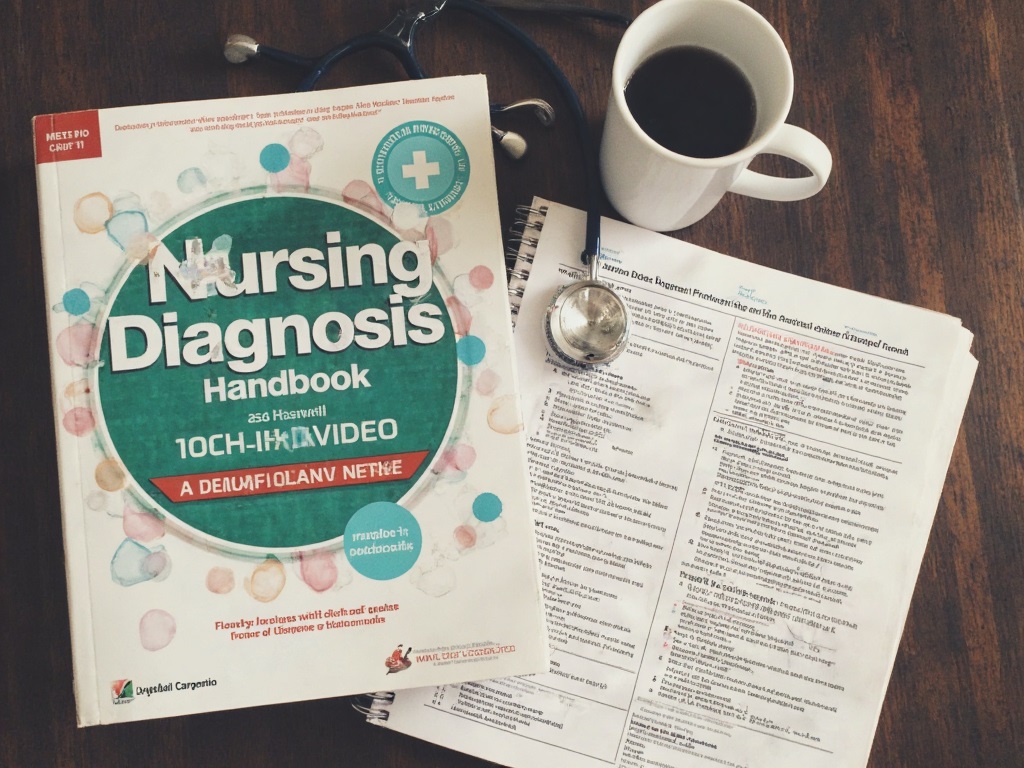
3. Nursing Diagnosis Handbook by Lynda Juall Carpenito
Why It’s Essential
Care plan writing is a challenge for almost every student nurse. This handbook is specifically designed to help in identifying nursing diagnoses, planning interventions, and evaluating outcomes.
Key Features
- More than 200 diagnoses with step-by-step nursing interventions.
- Handy tables linking nursing diagnoses to NANDA-I standards.
- Rationales that explain why certain interventions are chosen.
- Emphasis on holistic, patient-centered care.
Best For
- Students preparing nursing care plans during clinical rotations.
- Attractive for professionals as a quick bedside reference.
- Essential for examination scenarios that ask to formulate care plans.
4. Maternal and Child Health Nursing by Adele Pillitteri
Why It’s Essential
This textbook provides a complete guide to maternity, neonatal care, and pediatric nursing. With rising global focus on maternal health and child survival, this book is critical for both students and clinical nurses.
Key Features
- Covers obstetrics, neonatal intensive care, pediatric growth/development, and family health.
- Updated sections on perinatal technology and high-risk pregnancies.
- Colorful charts and diagrams make complicated processes easier to grasp.
- Emphasis on cultural competence in maternal-child care.
Best For
- Students during OB/GYN and pediatric rotations.
- Midwives in training.
- Nurses specializing in neonatal and pediatric units.
5. Essentials of Psychiatric Mental Health Nursing by Elizabeth Varcarolis
Why It’s Essential
Mental health nursing requires advanced skills in communication, empathy, and therapeutic care. Varcarolis’s book is well known for combining theoretical foundations with practical strategies in psychiatric nursing.
Key Features
- Explains common mental health disorders, treatment plans, and nursing strategies.
- Detailed coverage of therapeutic communication techniques.
- Legal, cultural, and ethical considerations in psychiatric care.
- Case examples of nurse-patient interactions.
Best For
- Nursing students in psychiatric/mental health courses.
- Professionals working in psychiatric hospitals, rehabilitation centers, or community mental health programs.
6. Pharmacology and the Nursing Process by Lilley, Collins, and Snyder
Why It’s Essential
Pharmacology is often regarded as one of the most difficult subjects in nursing school, yet it’s one of the most crucial. This book breaks down drug classifications, mechanisms, side effects, and safe administration.
Key Features
- Presents pharmacology through the lens of the nursing process (ADPIE).
- Safe dosage and drug calculation guidance.
- Focus on patient teaching, compliance, and safety alerts.
- NCLEX-style review questions at the end of chapters.
Best For
- All nursing students (pharmacology knowledge is indispensable).
- Nurses preparing for licensing exams where drug safety is a key component.
7. Jarvis’s Physical Examination and Health Assessment
Why It’s Essential
Patient assessment is at the heart of good nursing care. Jarvis’s book is universally praised for teaching step-by-step examination skills with excellent visuals.
Key Features
- Thorough explanations of head-to-toe assessments.
- Clinical checklists for heart, lung, abdominal, neurological, and musculoskeletal exams.
- Easy-to-follow illustrations make it highly student-friendly.
- Updated cultural considerations and lifespan changes.
Best For
- First-year to senior nursing students learning assessment techniques.
- Clinical professors often recommend it as a “skills bible.”
- Any practicing nurse who wants to refine assessment accuracy.
These seven textbooks form the core foundation of nursing knowledge. Together, they cover the fundamentals, medical-surgical care, care planning, maternal-child health, mental health, pharmacology, and patient assessment—the very pillars of the nursing profession.
Having these resources in PDF digital format ensures students and professionals can:
- Review anywhere on laptops or tablets.
- Create quick notes from searchable PDFs.
Free Online Resources for Nursing Books
In 2025, the demand for nursing books PDF free download has skyrocketed. Nursing students, educators, and professionals often need quick access to reliable resources without facing financial barriers. Fortunately, there are several open-access platforms, digital libraries, and academic networks that offer either legally free textbooks or valuable nursing-related resources.
Here is a breakdown of some of the most trusted resources available today:
1. NCBI Bookshelf
Overview
The NCBI Bookshelf is a free service provided by the U.S. National Library of Medicine. It offers access to hundreds of academic books and reports in biomedical and life sciences, including several nursing and healthcare titles.
Advantages
- Trusted government-backed source.
- Reliable references for evidence-based nursing practice.
- Permanently hosted—books won’t suddenly disappear.
- Provides proper citation tools for academic projects.
Limitations
- Limited variety of standard nursing textbooks compared to med-surg or pharmacology resources.
- Some books can only be read online, not fully downloaded.
Best Use Case: Nursing students writing theses, dissertations, or evidence-based care plans.
2. OAPEN (Open Access Publishing in European Networks)
Overview
OAPEN is a European initiative offering free, peer-reviewed scholarly books. It hosts thousands of open-access publications, with a section dedicated to health, medicine, and nursing.
Advantages
- 100% legal and safe.
- High-quality books published by well-known academic presses (e.g., Springer, De Gruyter).
- Well-organized library interface.
Limitations
- Fewer clinical textbooks like Fundamentals of Nursing; mostly research-oriented nursing publications.
- Works best for advanced students rather than beginners.
Best Use Case: Postgraduate nursing students or professionals conducting research studies in nursing science, public health, or education.
3. Internet Archive
Overview
The Internet Archive is a nonprofit digital library with over 36 million books and documents, many of which are freely downloadable PDFs. Its value for nursing students lies in both classic and contemporary nursing texts.
Advantages
- Access historical works, showing how nursing has evolved.
- Download options include PDF, EPUB, Kindle, and Daisy.
- Free, legal, and globally accessible.
Limitations
- File quality varies—some are clean, others may be blurry scans.
- Latest editions are not guaranteed.
Best Use Case: Students and historians exploring the evolution of nursing practice; professionals seeking older but still useful editions of key textbooks.
4. ResearchGate
Overview
ResearchGate is often called “social media for researchers.” It connects millions of academics who share articles, book chapters, and occasionally entire textbooks. Nursing faculty and postgraduate students frequently upload resources.
Advantages
- Access to unique academic resources, often unavailable elsewhere.
- Direct connection with authors—students can request full-texts directly from researchers.
- Ideal for specialized and cutting-edge nursing topics.
Limitations
- Requires a free account for access.
- Not designed as a textbook hub—finding complete books can be challenging.
Best Use Case: Master’s or PhD nursing students searching for niche nursing research materials.
5. Academia.edu
Overview
Academia.edu is another platform where academics share their research work. Similar to ResearchGate, it offers conference papers, dissertations, book chapters, and, occasionally, complete nursing books PDF free download.
Advantages
- Strong nursing education community—especially from universities in Asia, Europe, and Africa.
- Hosts lecture notes, study guides, and even full-text nursing manuals.
- Free to register and start downloading.
Limitations
- Premium upsell features can be distracting.
- Not all uploaded content is peer-reviewed or updated.
Best Use Case: Nursing students looking for supplementary study notes, dissertations, or thesis references in addition to textbooks.
6. Nursing Forums and Specialized Medical Blogs
Overview
Several student-run nursing forums and medical book blogs provide collections of free eBooks for exam preparation. Websites like Medicos Republic or niche nursing blogs host popular textbooks and NCLEX guides in PDF format.
Advantages
- Focus on exam preparation (NCLEX, HAAD, BDS).
- Easy to access practical resources like clinical skills checklists or NCLEX-style question banks.
- Frequently updated by communities of nursing students.
Limitations
- Legality varies—some uploads may bypass copyright rules.
- Ads and pop-ups on blog-style sites can be distracting.
- Quality and completeness of files are not always guaranteed.
Best Use Case: Nursing students preparing for exams who need quick review books, NCLEX guides, or condensed notes.
View more Nursing book pdf on Bing.com
Comparing the Platforms
- For legal and research-heavy use → NCBI Bookshelf, OAPEN.
- For historical and broad content → Internet Archive.
- For networking with researchers → ResearchGate, Academia.edu.
- For exam prep and student-friendly resources → Nursing forums & blogs.
Accessing nursing books free download platforms gives students flexibility between:
- Safe, legal institutional libraries (NCBI, OAPEN).
- Large-scale digital preservation archives (Internet Archive).
- Community-driven study hubs (ResearchGate, Academia.edu, nursing blogs).
The best approach is blending multiple platforms: use open-access sources for credibility and forums/blogs for quick, practical exam support.
Practical Tips for Using Free Nursing Books
Having access to nursing books in PDF format is just the beginning. To truly gain from these resources, students and professionals must know how to organize, validate, and use them effectively. Many learners download dozens of eBooks but struggle to turn those resources into meaningful learning.
Below are practical strategies and expert recommendations to maximize the value of your digital nursing library.
1. Always Verify the Edition
Nursing is a rapidly evolving field. Clinical guidelines, drug safety information, and care standards can change within a few years. For example:
- A pharmacology dosage guideline from 2012 may already be outdated and potentially unsafe.
- Updated Brunner & Suddarth’s Medical-Surgical Nursing editions include the most current disease management protocols.
Tip: Whenever you download a nursing textbook PDF, check for the edition year. Aim to use the latest edition (or at least within the last 5 years) to ensure accuracy.
2. Organize by Specialty and Semester
Instead of piling all your PDFs in a single folder, create a structured library. Suggested categories include:
- Fundamentals & Basics (e.g., Potter & Perry’s Fundamentals of Nursing)
- Medical-Surgical & Critical Care (e.g., Brunner & Suddarth, Lewis’s Med-Surg Nursing)
- Pharmacology (Lilley & Collins, Kee’s Pharmacology)
- Maternal & Child Health (Pillitteri’s Maternal-Child Nursing)
- Psychiatric Nursing (Varcarolis Essentials of Psychiatric Nursing)
- Assessment & Diagnostic Skills (Jarvis’s Health Assessment)
- NCLEX & Exam Prep (Saunders Comprehensive NCLEX Review)
Tip: On your computer or tablet, name files clearly (e.g., Brunner_MedSurg_15thEdition.pdf) to avoid confusion.
3. Use a PDF Reader With Annotation Features
A good study routine requires highlighting, note-taking, and bookmarking. Standard PDF readers like Adobe Acrobat or free apps like Foxit Reader, Xodo, or Notability allow you to:
- Highlight important nursing diagnoses or drug categories.
- Add notes to clinical skills checklists.
- Bookmark chapters for fast review during exams.
This transforms each nursing book PDF into an interactive digital textbook, mirroring (and often improving on) physical books.
4. Combine With NCLEX & Clinical Practice Guides
Core nursing textbooks provide theory, but on their own they may feel overwhelming. Balance them with exam-oriented resources and clinical handbooks:
- Pair Brunner & Suddarth with Saunders NCLEX Review for exam-style questions.
- Combine Jarvis’s Health Assessment with pocket handbooks (clinical pocket guides for assessment).
- Use Lilley’s Pharmacology alongside online drug reference apps like Medscape for real-time updates.
This blended approach gives you both depth and practical readiness.
5. Supplement With Clinical Guidelines
Even the best textbook cannot keep pace with daily changes in international practice standards. That’s why students should complement their PDF textbooks with:
- American Nurses Association (ANA) guidelines.
- World Health Organization (WHO) nursing manuals.
- National Council of State Boards of Nursing (NCSBN) updates for NCLEX standards.
This ensures your knowledge is evidence-based and exam-ready.
6. Avoid Over-Reliance on Old or Low-Quality PDFs
One common mistake students make is downloading free PDFs of outdated editions just because they are easy to find. Risks include:
- Using harmful or obsolete medication information.
- Missing out on new cultural or ethical considerations, such as LGBTQ+ inclusive care.
- Struggling in exams because questions are designed around latest editions.
7. Develop a Study Routine Using Digital Books
Having the best nursing eBooks won’t help unless you use them effectively. Suggested study plan:
- Daily: Read at least one chapter summary. Annotate key definitions (e.g., signs of hypovolemic shock).
- Weekly: Revise one specialty area (e.g., cardiovascular nursing) using both textbook + NCLEX practice.
- Monthly: Review old notes, update your digital library with new resources.
Tip: Use “study mode” apps to avoid distractions while reading on devices.
8. Share and Learn in Study Groups
Nursing is collaborative. Sharing nursing books PDF free downloads within your study group allows:
- Dividing large textbooks into portions and summarizing collectively.
- Comparing annotations and explanations of difficult concepts.
- Practicing with case studies together.
This replicates real-life teamwork in nursing practice, improving both learning and communication skills.
Using free nursing textbooks in PDF format is not just about downloading—it’s about strategically managing, updating, and using resources. By verifying editions, organizing by specialty, annotating actively, and supplementing with clinical guidelines, you can transform a simple PDF into a powerful educational tool.
Ultimately, smart usage of nursing book PDFs saves time, maximizes learning efficiency, and ensures safe, up-to-date patient care once you transition to the clinical environment.
Conclusion + FAQs
Extended Conclusion
In today’s complex healthcare environment, nursing is not just about technical tasks – it requires critical thinking, clinical judgment, and life-long learning. While tuition fees and textbook costs continue to rise, students and professionals now have broader access to nursing books PDF free download links, making education more inclusive and affordable.
Throughout this guide, we explored:
- The timeless importance of textbooks like Fundamentals of Nursing, Brunner & Suddarth’s Med-Surg Nursing, and Jarvis’s Health Assessment.
- Core nursing specialties covered through books in pharmacology, psychiatric nursing, maternal-child nursing, and physical examination.
- Free and trusted platforms such as NCBI Bookshelf, OAPEN, Internet Archive, ResearchGate, and Academia.edu.
- Practical strategies for using PDFs effectively—organizing your library, annotating, avoiding outdated editions, and blending textbooks with NCLEX resources.
The smart approach is balance:
- Use open-access and institutional sources for safe, credible, citable references.
- Rely on forums and study groups for exam prep, summaries, and peer support.
- Treat every PDF as part of a dynamic, evolving library that grows with your nursing career.
Ultimately, free nursing books are not just about saving money—they are about creating equal opportunities for every aspiring nurse, improving patient care, and raising the global standard of the nursing profession.
FAQs
1. Which are the most important nursing books for beginners?
The best starting point is Fundamentals of Nursing (Potter & Perry). It introduces patient care, nursing processes, and essential skills for first-year students.
2. Where can I legally download free nursing books in PDF?
Trusted legal sources include NCBI Bookshelf, OAPEN Library, and Internet Archive. They provide free, peer-reviewed or public-domain nursing resources.
3. Can nursing PDFs help me prepare for NCLEX?
Yes. Core textbooks like Brunner & Suddarth or Lilley’s Pharmacology build the foundation, while specialized companions such as Saunders NCLEX Review give practice questions.
4. How do I know if my nursing book PDF is up-to-date?
Check the edition and publication year. Prioritize books published within the last 5 years, especially in pharmacology and medical-surgical nursing.
5. Are free nursing PDFs reliable enough to use in clinical practice?
It depends on the source. Open-access and government repositories are safe. Community-shared books should be cross-verified with the latest clinical guidelines.
6. What nursing specialty books are recommended for professionals?
- Critical Care Nursing by Urden, Stacy, and Lough—ideal for ICU and advanced practice nurses.
- Community & Public Health Nursing by Cherie Rector—focused on population and public health.
- Essentials of Pediatric Nursing by Kyle & Carman—excellent for pediatric care.
7. What’s the best strategy for studying from PDF textbooks?
Organize by specialty, annotate using digital tools, combine with NCLEX prep books, and review clinical guidelines from ANA or WHO. Pair study with regular group discussions for better retention.
Final Words
The journey of becoming a nurse is demanding, but knowledge should never be out of reach. By leveraging nursing books PDF free download links, every student and professional can carry a portable, affordable, and reliable nursing library.
From mastering fundamentals to preparing for advanced exams and clinical rotations, these resources ensure that tomorrow’s nurses are better prepared, well-informed, and patient-centered. Education becomes accessible, and ultimately, patients benefit from a well-trained, knowledgeable nursing workforce.