

Harrison’s Principles of Internal Medicine – Comprehensive Review & Expert Analysis
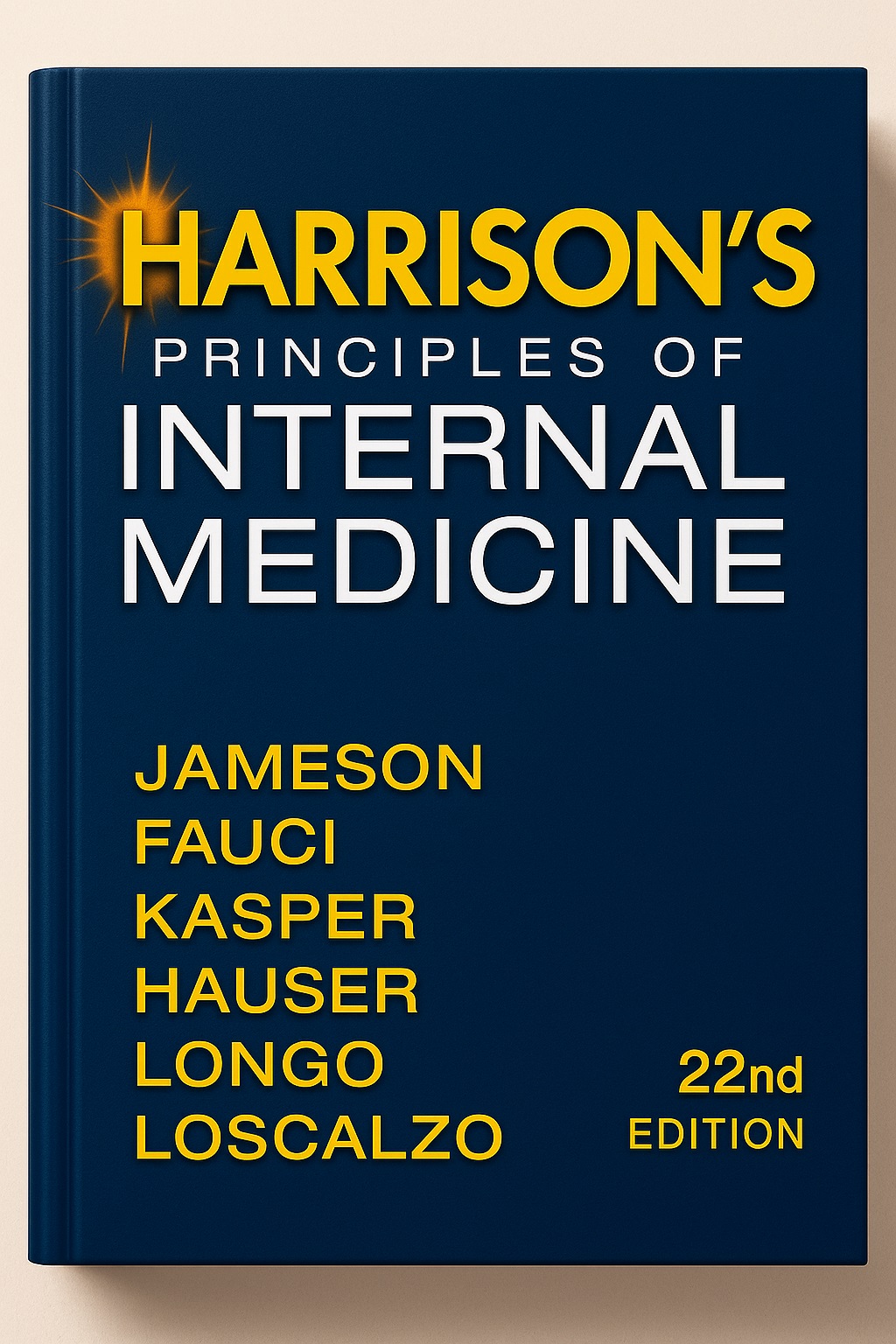
Table of Contents
-
Introduction
-
What Is Harrison’s Principles of Internal Medicine?
-
Historical Background & Evolution of the Harrison Textbook
-
Who Is This Book For?
-
Key Features of Harrison’s Internal Medicine
-
Structure of the Book: Overview of Volumes & Major Sections
-
Chapter-by-Chapter Highlights (Detailed Summary)
-
Clinical Relevance & How Physicians Use Harrison in Practice
-
Strengths of Harrison’s Principles of Internal Medicine
-
Limitations & Common Reader Challenges
-
What’s New in the Latest Edition?
-
Comparison With Other Leading Internal Medicine Textbooks
-
Is Harrison Worth Buying? Expert Verdict
-
Frequently Asked Questions (Google People Also Ask Style)
-
Related Books (Recommended Alternatives & Complements)
1. Introduction
Harrison’s Principles of Internal Medicine is widely considered the gold standard reference in the field of internal medicine. For more than seven decades, this textbook has shaped the education, thinking, and clinical practice of millions of medical students, residents, and physicians worldwide. Its reputation rests on a combination of scientific rigor, clinical relevance, and unmatched depth across virtually every subspecialty of medicine.
Whether you are a first-year medical student learning disease mechanisms, a resident preparing for board exams, or a practicing physician seeking evidence-based updates, Harrison remains one of the most authoritative and trusted sources in medical literature.
This comprehensive review provides:
-
A detailed breakdown of the textbook’s structure
-
An expert evaluation of its strengths and weaknesses
-
Practical advice for who should (and should not) use it
-
Insights into the latest edition
-
A comparison against other major medical references
-
A curated Q&A section based on Google’s top user searches
-
Related book recommendations
-
A Buy Now button for readers ready to obtain the book
Our goal is to deliver a balanced, professional, and SEO-friendly review that helps you understand exactly what Harrison offers and whether it is the right book for your needs.
2. What Is Harrison’s Principles of Internal Medicine?
Harrison’s Principles of Internal Medicine is a comprehensive two-volume medical textbook that covers the full scope of internal medicine, including:
-
Disease pathophysiology
-
Clinical presentation
-
Diagnostic strategies
-
Evidence-based management
-
Emerging science and medical innovations
It is produced by an international team of experts—typically more than 400 contributors—representing virtually every subspecialty: cardiology, oncology, infectious disease, endocrinology, gastroenterology, neurology, pulmonology, and more.
Harrison is known for:
-
High-quality scientific explanations
-
Integration of clinical and basic science knowledge
-
Authoritative guidelines
-
Comprehensive illustrations, charts, and clinical algorithms
-
Cutting-edge updates in molecular medicine and genetics
No other internal medicine reference combines scientific depth and clinical utility at the same level.
3. Historical Background & Evolution of the Harrison Textbook
The first edition of Harrison’s Principles of Internal Medicine was published in 1950, founded by Dr. Tinsley Randolph Harrison. Since then, the textbook has evolved alongside the progress of medical science, updating its content approximately every 3–4 years.
Key milestones include:
-
Early editions (1950s–1970s): Strong emphasis on physiology and pathophysiology
-
Middle editions (1980s–1990s): Integration of evidence-based clinical practice
-
Modern editions (2000s–present): Expansion into genetics, molecular biology, precision medicine, and global health
-
Digital evolution: Online access, multimedia resources, interactive tables, and clinical updates
Today, the Harrison brand represents not only a book but a complete internal medicine learning ecosystem used globally by medical schools, hospitals, and research institutions.
4. Who Is This Book For?
One of the strengths of Harrison’s Principles of Internal Medicine is its applicability to a wide range of readers. Although it is a highly advanced and densely written textbook, its audience extends across nearly every stage of medical education and professional practice.
4.1 Medical Students
For medical students, Harrison provides essential foundations in:
-
Disease mechanisms
-
Pathophysiology
-
Basic clinical principles
-
Understanding the “why” behind symptoms and treatments
However, because the book is deep and detailed, it is best suited for:
-
Second-year students (studying pathology or internal medicine)
-
Students preparing for USMLE Step 1 or Step 2 CK
-
Those seeking in-depth explanations beyond lecture notes
4.2 Medical Residents
Internal medicine residents form one of the core audiences for Harrison. It helps with:
-
Daily patient care
-
Clinical decision-making
-
Preparing for residency in-service exams
-
Strengthening knowledge across all subspecialties
Residents frequently use Harrison for rapid refreshers on:
-
Diagnostic algorithms
-
Treatment plans
-
Evidence-based guidelines
4.3 Practicing Physicians
Clinicians rely on Harrison as a trusted reference when encountering:
-
Rare diseases
-
Complex cases
-
Uncommon presentations
-
Updated evidence and treatment guidelines
Subspecialists may not read Harrison cover-to-cover, but many use it to maintain broad internal medicine knowledge.
4.4 Researchers and Academicians
Researchers turn to Harrison for:
-
Foundational disease biology
-
Mechanistic pathways
-
Epidemiological trends
-
Breakthrough innovations
The textbook’s academic depth makes it uniquely valuable for scientific discussions and study design.
4.5 Medical Educators
Professors use Harrison as:
-
A teaching guide
-
A reference for lectures
-
A source for exam questions
-
A standard for clinical rationale
4.6 Who Should NOT Use Harrison?
Although Harrison is a world-class reference, it may not be suitable for:
-
Total beginners in medicine
-
Students who prefer simplified explanations
-
Readers looking for quick summaries
-
Those who want a handbook-sized clinical manual (Oxford Handbook may be better)
In short, Harrison is ideal for readers who want depth, scientific accuracy, and comprehensive clinical insight.
5. Key Features of Harrison’s Internal Medicine
Several features make Harrison’s Principles of Internal Medicine stand out among all medical textbooks.
5.1 Comprehensive and Multidisciplinary Coverage
Harrison covers every major system and specialty within internal medicine, including:
-
Cardiology
-
Pulmonology
-
Gastroenterology
-
Endocrinology
-
Hematology
-
Nephrology
-
Rheumatology
-
Infectious diseases
-
Oncology
-
Neurology
-
Dermatology
-
Immunology
-
Genetics & molecular medicine
Few textbooks match this degree of breadth.
5.2 Strong Foundation in Pathophysiology
The hallmark of Harrison is its emphasis on underlying disease mechanisms. The book teaches not just what happens, but why it happens.
This makes it invaluable for:
-
Critical thinking
-
Diagnostic reasoning
-
USMLE and board exam preparation
-
Academic understanding
5.3 Evidence-Based Clinical Practice
Every chapter includes:
-
Standard-of-care treatments
-
Drug regimens
-
Diagnostic criteria
-
Clinical trials
-
Prognostic indicators
-
Updated guidelines
This allows clinicians to make decisions based on the latest science.
5.4 Rich Visual References
Harrison contains a vast library of:
-
Graphs
-
Charts
-
Imaging studies
-
Algorithms
-
Radiographs
-
Histopathology slides
-
Anatomical drawings
These illustrations enhance understanding and support visual learners.
5.5 Digital Access (Online Reading Platform)
Modern editions include:
-
Full eBook access
-
Interactive disease summaries
-
Quick reference tables
-
Searchable index
-
Supplemental videos
-
Clinical updates
Digital access makes Harrison far more usable than older paper-only versions.
5.6 Focus on Emerging Medical Science
Harrison continuously updates content related to:
-
Precision medicine
-
Gene therapy
-
Stem cell research
-
Molecular oncology
-
Immunotherapy
-
AI in healthcare
-
Global health and epidemiology
This forward-looking perspective ensures readers stay aligned with modern medical innovations.
6. Structure of the Book: Overview of Volumes & Major Sections
Most editions of Harrison consist of two large volumes, sometimes exceeding 4,000 pages.
The structure is logical and comprehensive, moving from foundational science to clinical practice.
Volume 1: Foundations of Medicine
Includes:
-
Basic principles of disease
-
Molecular biology
-
Pathophysiology
-
Immunology
-
Genetics
-
Clinical epidemiology
-
Principles of diagnosis
-
Major physiological systems
-
Core internal medicine concepts
This volume is essential for understanding the mechanisms behind diseases.
Volume 2: Clinical Medicine
Covers:
-
Organ-system diseases
-
Clinical syndromes
-
Subspecialty chapters
-
Diagnostic algorithms
-
Treatment guidelines
-
Clinical workflows
Volume 2 is the clinically oriented part of the book, used daily by physicians and residents.
7. Chapter-by-Chapter Highlights (Detailed Summary)
Because Harrison’s Principles of Internal Medicine contains hundreds of chapters spanning thousands of pages, this review highlights the core sections that define the book’s structure, depth, and practical value. These summaries help readers understand how Harrison builds medical knowledge systematically—from molecular foundations to complex clinical syndromes.
7.1 Part I: The Profession of Medicine
This opening section introduces the principles that shape modern medical practice, including:
• The Role of the Physician
Harrison outlines the ethics, responsibilities, and evolving expectations of healthcare professionals.
• Diagnostic Reasoning
The book emphasizes:
-
Clinical judgment
-
Interpretation of symptoms
-
Differential diagnosis
-
Evidence-based assessment
These early chapters help medical students develop a logical framework for understanding patient care.
• Principles of Patient Safety & Quality Care
Topics include:
-
Healthcare systems
-
Reducing medical errors
-
Best practices in hospital settings
This foundational section sets the tone for the rest of the textbook—medicine as both a science and a professional discipline.
7.2 Part II: Cardinal Manifestations and Presentation of Diseases
This section is one of Harrison’s greatest strengths.
Instead of teaching diseases first, it teaches how diseases present.
Key chapters include:
-
Fever and Hyperthermia
-
Shock and Hypotension
-
Chest Pain
-
Dyspnea
-
Cough and Hemoptysis
-
Edema
-
Abdominal Pain
-
Headache
-
Syncope
-
Polyuria and Polydipsia
-
Weight Loss and Fatigue
Each chapter explains:
-
The physiological basis of symptoms
-
Diagnostic algorithms
-
Red flags
-
Differential diagnosis
-
Initial and advanced testing
-
Emergency considerations
This is invaluable for residents, as real patients often present with symptoms, not confirmed diagnoses.
7.3 Part III: Genetics and Molecular Biology
Harrison provides a thorough and up-to-date understanding of:
-
Gene expression
-
Molecular pathways
-
DNA repair mechanisms
-
Chromosomal abnormalities
-
Genetic determinants of disease
-
Precision medicine and targeted therapies
These chapters describe how advances in molecular science influence clinical practice, especially in:
-
Oncology
-
Immunology
-
Metabolic diseases
-
Rare hereditary conditions
Harrison excels at connecting genetics with real-world therapeutic strategies.
7.4 Part IV: Immunology, Rheumatology & Innate Defenses
This major section covers:
• Immune system components
-
T cells
-
B cells
-
Antigen presentation
-
Immune tolerance
-
Inflammation pathways
• Autoimmune diseases
Including:
-
Systemic lupus erythematosus
-
Rheumatoid arthritis
-
Vasculitis syndromes
-
Sjögren’s syndrome
-
Systemic sclerosis
• Immunodeficiency disorders
Both congenital and acquired, including detailed chapters on HIV/AIDS.
• Therapeutic Immunology
-
Monoclonal antibodies
-
Cytokine therapies
-
Immunomodulators
This section is highly valuable for specialists and researchers.
7.5 Part V: Infectious Diseases
Often considered one of the strongest parts of Harrison, this section is extensive and clinically rich.
It includes:
-
Bacterial infections
-
Viral infections
-
Fungal diseases
-
Parasitic infections
-
Emerging infections (Ebola, Zika, SARS-CoV-2)
-
Antibiotic therapies and resistance patterns
-
Vaccination strategies
-
Global epidemiology
Each disease includes:
-
Pathogenesis
-
Transmission
-
Clinical presentation
-
Diagnostic tests
-
Treatment regimens
-
Prevention and public health considerations
Harrison’s infectious disease chapters are frequently used as authoritative references in hospitals worldwide.
7.6 Part VI: Oncology and Hematology
• Cancer Biology
Harrison highlights:
-
Tumor genetics
-
Carcinogenesis
-
Molecular signaling
-
Biomarkers
-
Precision oncology
• Clinical Oncology
Covers:
-
Solid tumors
-
Hematologic malignancies
-
Staging and grading
-
Chemotherapy protocols
-
Immunotherapy
-
Targeted therapy
• Benign Hematologic Disorders
Including:
-
Anemias
-
Thrombocytopenia
-
Bleeding disorders
-
Coagulopathies
The cancer chapters are highly relevant due to the rapid evolution of oncologic therapies.
7.7 Part VII: Cardiovascular Medicine
One of the largest and most frequently referenced sections.
Key chapters include:
-
Heart failure
-
Coronary artery disease
-
Arrhythmias
-
Hypertension
-
Valvular heart disease
-
Pericardial diseases
-
Cardiomyopathies
-
Vascular disorders
These chapters provide:
-
Pathophysiology
-
Diagnostic criteria
-
ECG interpretation
-
Echocardiography insights
-
Treatment algorithms
Clinicians rely heavily on these chapters for daily practice.
7.8 Part VIII: Pulmonary and Critical Care Medicine
Includes chapters on:
-
Asthma
-
COPD
-
Pneumonia
-
Pulmonary embolism
-
ARDS
-
Mechanical ventilation
-
Sleep disorders
Harrison provides guidelines for ventilator management, ICU protocols, and acute respiratory emergencies.
7.9 Part IX: Gastroenterology and Hepatology
Detailed coverage of:
-
Esophageal diseases
-
Gastritis and ulcers
-
Inflammatory bowel disease
-
Liver diseases (NAFLD, cirrhosis, hepatitis)
-
Pancreatic disorders
Each chapter provides pathophysiology, endoscopic findings, and management strategies.
7.10 Part X: Nephrology
Includes:
-
Acute kidney injury
-
Chronic kidney disease
-
Acid-base disorders
-
Electrolyte imbalances
-
Glomerular diseases
-
Hyponatremia
-
Dialysis principles
The nephrology content is known for clear explanations of complex physiology.
7.11 Part XI: Endocrinology and Metabolism
Extensive coverage of:
-
Diabetes mellitus
-
Thyroid disorders
-
Adrenal diseases
-
Pituitary abnormalities
-
Metabolic syndromes
-
Lipid disorders
-
Bone metabolism
The diabetes chapters are especially detailed and clinically useful.
7.12 Part XII: Neurology
Harrison provides a comprehensive overview of:
-
Stroke
-
Seizures
-
Neuromuscular diseases
-
Dementia
-
Multiple sclerosis
-
Neuropathies
-
Movement disorders
These chapters are enhanced with imaging, electrophysiology, and diagnostic tables.
7.13 Part XIII: Dermatology
Although shorter than other sections, this part includes:
-
Inflammatory skin diseases
-
Infectious skin lesions
-
Bullous disorders
-
Skin manifestations of systemic diseases
7.14 Part XIV: Environmental and Occupational Medicine
Includes:
-
Toxicology
-
Radiation exposure
-
Heat and cold injuries
-
Environmental hazards
-
Occupational diseases
7.15 Part XV: Aging and Geriatric Medicine
Covering:
-
Multimorbidity
-
Geriatric syndromes
-
Frailty
-
Polypharmacy
-
Cognitive impairment
7. Diagnostic Modalities in Internal Medicine
Diagnostics form the backbone of modern internal medicine. Harrison’s Principles of Internal Medicine dedicates comprehensive coverage to both foundational and cutting-edge diagnostic approaches.
7.1 Laboratory Medicine
The book explains core interpretation principles for:
-
Complete Blood Count (CBC)
-
Basic Metabolic Panel
-
Liver function tests
-
Endocrine profiles
-
Infectious disease markers
Readers learn not only normal ranges but how to interpret subtle abnormalities in clinical context.
7.2 Diagnostic Imaging
A major strength of Harrison’s is its detailed discussion of imaging choices and interpretation, including:
-
X-ray fundamentals (chest, abdomen, skeletal)
-
Ultrasound applications (vascular, abdominal, cardiac)
-
CT scanning protocols for trauma, cancer, pulmonary disease
-
MRI indications in neurology, orthopedics, cardiology
-
PET scans for oncology and metabolic disorders
Clinical cases illustrate when each modality is most appropriate.
7.3 Molecular & Genetic Diagnostics
The book highlights modern tools such as:
-
Gene sequencing
-
Biomarker panels
-
Personalized medicine algorithms
-
Companion diagnostics in oncology
This section is essential for clinicians working in modern precision medicine.
8. Pharmacology & Therapeutics
Harrison’s positions pharmacology as a dynamic field that integrates molecular biology, clinical evidence, and guideline-based practice.
8.1 Principles of Drug Action
Chapters cover:
-
Pharmacokinetics
-
Pharmacodynamics
-
Adverse drug reactions
-
Drug–drug interactions
-
Special considerations in pregnancy, elderly, or renal failure
8.2 Major Drug Classes Explained
The book outlines the mechanisms, uses, contraindications, and side effects of:
-
Antibiotics
-
Antivirals & antiretrovirals
-
Antihypertensives
-
Antidiabetic drugs
-
Immunosuppressants
-
Chemotherapy & targeted cancer therapies
-
Biologic agents
Each chapter follows evidence-based treatment guidelines.
8.3 Personalized Treatment Strategies
Harrison’s emphasizes tailoring therapies to genetic profiles, disease stage, and comorbid conditions—reflecting modern internal medicine practice.
9. Infectious Diseases Overview
Infectious diseases form one of the most extensively updated sections of this edition.
9.1 Viral Diseases
-
Influenza
-
HIV/AIDS
-
Hepatitis
-
Emerging viruses (Zika, Ebola, COVID-19 evolution)
9.2 Bacterial Diseases
-
Tuberculosis
-
Pneumonia
-
MRSA
-
Sepsis & septic shock
-
Antibiotic resistance trends
9.3 Parasitic & Fungal Diseases
-
Malaria
-
Leishmaniasis
-
Candidiasis
-
Aspergillosis
Each chapter includes clinical features, diagnostic strategy, and treatment algorithms.
9.4 Outbreak & Global Health Response
The book covers surveillance systems, vaccination programs, and pandemic preparedness in detail.
10. Cardiovascular Medicine
A central component of internal medicine, the cardiology section in Harrison’s is both broad and deep.
10.1 Coronary Artery Disease
-
Pathophysiology of atherosclerosis
-
Stable angina vs. acute coronary syndromes
-
ECG interpretation
-
Troponin dynamics
-
PCI, CABG, and medical therapy guidelines
10.2 Heart Failure
Harrison’s provides gold-standard classification:
-
HFrEF
-
HFpEF
-
Acute decompensated HF
And discusses drug therapy (ACEIs, ARNI, beta-blockers, SGLT2 inhibitors).
10.3 Arrhythmias
-
Atrial fibrillation
-
Ventricular tachycardia
-
AV block
-
Interpretation of rhythm strips
10.4 Valvular Heart Disease
Pathology, imaging features, and surgical indications are clearly explained.
11. Pulmonary & Critical Care
11.1 Asthma & COPD
Detailed coverage includes:
-
Pathogenesis
-
Spirometry interpretation
-
Exacerbation management
-
Inhaled therapy approaches
11.2 Pneumonia & Acute Respiratory Distress Syndrome (ARDS)
-
Microbiological workup
-
Oxygenation strategies
-
Ventilation principles
11.3 Pulmonary Embolism (PE)
-
Wells score
-
D-dimer interpretation
-
CT pulmonary angiography
-
Anticoagulation therapy
11.4 Mechanical Ventilation
A clinically oriented section essential for ICU practice.
12. Gastroenterology & Hepatology
Gastroenterology in Harrison’s Principles of Internal Medicine is one of the most clinically relevant and practically structured sections, essential for both general physicians and specialists.
12.1 Esophageal Disorders
Harrison covers major esophageal diseases with clear diagnostic and treatment approaches:
-
GERD (Gastroesophageal Reflux Disease)
-
Esophagitis
-
Achalasia
-
Esophageal strictures
-
Barrett’s esophagus (precancerous condition)
The book excels in explaining pathophysiology, such as LES dysfunction and acid-related injury, making it valuable for students and clinicians alike.
12.2 Gastric & Duodenal Diseases
Includes detailed chapters on:
-
Peptic ulcer disease
-
H. pylori infection
-
Gastritis
-
Gastric carcinoma
Treatment regimens, triple therapy, and complications are covered with evidence-based clarity.
12.3 Intestinal Disorders
Major topics include:
-
Irritable bowel syndrome (IBS)
-
Inflammatory bowel disease (Crohn’s & Ulcerative Colitis)
-
Celiac disease
-
Malabsorption syndromes
-
Colorectal cancer screening guidelines
Important algorithms help determine when to use colonoscopy, CT, capsule endoscopy, or stool tests.
12.4 Hepatic Disorders
One of the strongest areas in the book:
-
Acute liver injury
-
Chronic liver disease
-
Cirrhosis
-
NAFLD (Non-alcoholic fatty liver disease)
-
Viral hepatitis (A, B, C, D, E)
-
Autoimmune hepatitis
Harrison includes detailed scoring systems such as MELD and Child–Pugh.
12.5 Pancreatic Disorders
Chapters include:
-
Acute pancreatitis
-
Chronic pancreatitis
-
Pancreatic insufficiency
-
Pancreatic neoplasms
Clinical pearls, such as Ranson’s criteria, are well explained.
13. Nephrology
The nephrology section is known for its clarity, providing an excellent foundation for understanding renal physiology and pathology.
13.1 Acute Kidney Injury (AKI)
Harrison categorizes AKI into:
-
Prerenal
-
Intrinsic renal
-
Postrenal
The text includes algorithms for diagnostic workup, fluid challenges, and initial management.
13.2 Chronic Kidney Disease (CKD)
Covers:
-
CKD staging
-
Progression risk factors
-
Complications (anemia, acidosis, bone disorders)
-
Dialysis indications
13.3 Glomerular Diseases
Deep coverage of:
-
Nephrotic syndrome
-
Nephritic syndrome
-
Minimal change disease
-
FSGS
-
IgA nephropathy
-
Lupus nephritis
The book integrates histological findings with clinical presentations.
13.4 Electrolyte & Acid–Base Disorders
Includes:
-
Hyponatremia
-
Hyperkalemia
-
Metabolic acidosis
-
Metabolic alkalosis
-
Respiratory disorders
These chapters are highly practical for ICU and ER physicians.
14. Endocrinology & Metabolism
This is one of the most referenced sections of Harrison due to the prevalence of endocrine disorders.
14.1 Diabetes Mellitus
The diabetes content is exceptional:
-
Pathophysiology (type 1 vs. type 2)
-
Diagnostic criteria
-
Screening recommendations
-
Complications (neuropathy, nephropathy, retinopathy)
-
Pharmacologic therapy (insulin, GLP-1, SGLT2 inhibitors)
Management algorithms are clear and up-to-date.
14.2 Thyroid Disorders
Includes:
-
Hypothyroidism
-
Hyperthyroidism (Graves’ disease)
-
Thyroid nodules
-
Differentiated & anaplastic thyroid cancer
Thyroid function test interpretation is well detailed.
14.3 Adrenal & Pituitary Disorders
Covers:
-
Cushing’s syndrome
-
Addison’s disease
-
Pheochromocytoma
-
Acromegaly
-
Pituitary adenomas
14.4 Metabolic Syndromes
Including:
-
Dyslipidemia
-
Obesity
-
Metabolic syndrome
-
Vitamin & mineral disorders
15. Neurology
The neurology chapters in Harrison are comprehensive and filled with imaging, diagrams, and clinical tables.
15.1 Cerebrovascular Diseases
Stroke content includes:
-
Ischemic stroke
-
Hemorrhagic stroke
-
TIA
-
Acute management (thrombolysis, thrombectomy)
15.2 Seizures & Epilepsy
Discusses:
-
Classification
-
EEG interpretation
-
First-line therapies
15.3 Neurodegenerative Diseases
Including:
-
Alzheimer’s disease
-
Parkinson’s disease
-
Huntington’s disease
15.4 Neuromuscular Disorders
-
Myasthenia gravis
-
Guillain–Barré syndrome
-
Muscular dystrophies
16. Hematology & Oncology
16.1 Hematologic Disorders
Covers:
-
Anemias (iron deficiency, hemolytic, megaloblastic)
-
Sickle cell disease
-
Thrombocytopenia
-
Bleeding disorders
16.2 Oncology
A very strong part of Harrison:
-
Tumor biology
-
Cancer genetics
-
Immunotherapy
-
Targeted therapy
-
Staging systems
Detailed coverage of:
-
Breast cancer
-
Lung cancer
-
Colorectal cancer
-
Lymphomas
-
Leukemias
Each chapter includes standard-of-care management backed by clinical trials.
17. Dermatology
A shorter section but rich in images:
-
Eczema
-
Psoriasis
-
Drug reactions
-
Autoimmune blistering diseases
-
Skin manifestations of systemic illness
18. Rheumatology
Chapters include:
-
Osteoarthritis
-
Rheumatoid arthritis
-
Gout
-
SLE
-
Vasculitis
-
Scleroderma
Harrison explains immune mechanisms exceptionally well here.
19. Emergency & Critical Care Medicine
Key topics:
-
Shock
-
Sepsis
-
Trauma
-
Toxicology
-
Poisoning
-
Acute metabolic emergencies
Algorithms and flowcharts guide time-sensitive decisions.
20. Strengths of Harrison’s Principles of Internal Medicine
Harrison’s remains the most respected internal medicine textbook in the world for several compelling reasons. Its strengths make it indispensable for medical schools, hospitals, and clinicians worldwide.
20.1 Unmatched Depth and Scientific Rigor
The greatest strength of Harrison lies in its authoritative, evidence-based content written by hundreds of world-renowned physicians, scientists, and researchers.
Readers consistently praise:
-
Detailed disease mechanisms
-
Clear pathophysiology explanations
-
Strong foundation in molecular medicine
-
Integration of basic science with clinical practice
This depth makes the book invaluable for medical students, residents, and specialists who want to understand why diseases occur—not merely how to diagnose them.
20.2 Comprehensive Coverage of All Internal Medicine Fields
Harrison covers virtually every topic within internal medicine, including:
-
Infectious diseases
-
Cardiology
-
Pulmonology
-
Nephrology
-
Gastroenterology
-
Endocrinology
-
Hematology & oncology
-
Neurology
-
Rheumatology
-
Critical care
-
Dermatology
-
Genetics
-
Immunology
Few textbooks match its breadth, making it a one-stop reference for internal medicine knowledge.
20.3 Excellent Visual Resources
The book includes:
-
Over 1,000+ medical illustrations
-
Diagnostic imaging (X-ray, CT, MRI, ultrasound)
-
Pathology slides
-
Full-color diagrams
-
Clinical flowcharts
-
Algorithms for emergencies
These graphics help clinicians and students visualize complex conditions, improving understanding.
20.4 Evidence-Based Treatment Guidelines
Every disease chapter includes:
-
First-line therapies
-
Standard-of-care treatment plans
-
Drug dosing recommendations
-
Clinical trial results
-
Prognosis data
-
Updated diagnostic criteria
The content is thoroughly referenced, making it trustworthy for clinical decision-making.
20.5 Frequent Updates and Cutting-Edge Content
New editions incorporate advances in:
-
Precision medicine
-
Molecular oncology
-
Genomics
-
Immunotherapy
-
Stem cell biology
-
AI and machine learning in healthcare
-
Global health threats and pandemic response
This ensures the textbook remains modern and clinically relevant.
20.6 Logical Structure for Learning and Reference
Harrison’s unique structure—starting from basic science and progressing to clinical disease—helps readers build knowledge systematically.
-
Students benefit from foundational explanations
-
Clinicians value clinical algorithms
-
Researchers use mechanistic insights for academic work
This dual approach sets Harrison apart from purely clinically oriented books like the Oxford Handbook.
20.7 Trusted by Physicians Worldwide
Harrison is used in:
-
Top global medical universities
-
Residency programs
-
Board exam preparation
-
Hospital consultations
-
Clinical teaching and academic research
Its international reputation adds professional credibility for anyone who studies or references it.
21. Limitations of Harrison’s Principles of Internal Medicine
Although Harrison is exceptional, it is not perfect. Understanding its limitations helps readers set realistic expectations.
21.1 Dense and Highly Technical
For beginners, the book may feel overwhelming because:
-
Sentences are long and academic
-
Concepts require foundational medical knowledge
-
Minimal simplification is provided
Harrison is not beginner-friendly compared to introductory books like Step-Up to Medicine.
21.2 Not Designed as a Quick Clinical Handbook
Compared to pocket-sized clinical guides, Harrison is:
-
Large (two volumes)
-
Heavy
-
Not ideal for carrying during rounds
-
Less convenient for rapid on-the-spot decisions
Residency programs often pair it with:
-
Oxford Handbook of Clinical Medicine
-
Pocket Medicine (Mass General Hospital)
21.3 Requires Long Study Time
Because of its depth, readers must invest substantial time to fully absorb content.
This makes it less suitable for:
-
Last-minute exam preparation
-
Quick reference needs
-
Students who prefer concise summaries
21.4 Some Sections May Be Too Detailed
Certain areas—like molecular mechanisms and genetic pathways—may be more detailed than necessary for everyday clinicians.
21.5 Expensive Compared to Other Textbooks
While you requested not to list prices, it is widely known that Harrison is more costly than average textbooks due to:
-
Its length
-
High-quality images
-
Hardcover binding
-
Digital access
However, most readers see it as a long-term investment.
22. What’s New in the Latest Edition?
Every edition introduces new updates reflecting advances in internal medicine. While specific changes differ by version, modern editions generally include:
22.1 Major Updates in Molecular Medicine
-
Gene editing technologies (CRISPR)
-
Immune checkpoint inhibitors
-
Biomarker-driven therapies
-
Advances in pharmacogenomics
Harrison integrates molecular science into clinical practice more than any other textbook.
22.2 Updated Clinical Guidelines
Includes new recommendations for:
-
Hypertension
-
Diabetes
-
Heart failure
-
Lipid management
-
Asthma
-
Infectious disease management
-
Cancer therapies
These guidelines reflect the most current medical consensus.
22.3 Expanded Infectious Diseases Section
Recent editions add the latest data on:
-
COVID-19 evolution
-
Monkeypox
-
Antimicrobial resistance
-
Global health threats
-
Vaccination innovations
22.4 Fresh Graphics and Clinical Images
Modern editions feature:
-
Enhanced color illustrations
-
Updated imaging examples
-
Redesigned flowcharts
-
Higher-resolution pathology images
22.5 Improved Digital Experience
Readers gain access to:
-
Online eBook
-
Video lectures
-
Interactive tables
-
Searchable chapter library
-
Clinical updates between editions
Digital tools dramatically improve usability.
23. Comparison With Other Leading Internal Medicine Textbooks
To understand the true value of Harrison’s Principles of Internal Medicine, it is essential to compare it with other widely used textbooks and clinical references. Each book serves a different purpose, and many students or clinicians use them together.
23.1 Harrison vs. Cecil Medicine
Harrison’s Principles of Internal Medicine
-
Stronger in pathophysiology
-
More comprehensive scientific explanations
-
Better integrated molecular medicine
-
Superior visuals and diagrams
-
Heavily referenced and academically rigorous
Cecil Textbook of Medicine
-
More clinically oriented than theoretical
-
Simpler writing style
-
Suitable for quick learning
Verdict:
Harrison is superior for deep academic study, while Cecil is more accessible for learners who prefer straightforward clinical guidance.
23.2 Harrison vs. Oxford Handbook of Clinical Medicine
These two books serve completely different purposes.
Harrison
-
Large, detailed textbook
-
Ideal for study, reference, and research
-
Not portable
Oxford Handbook
-
Small pocket-sized book
-
Used during clinical rounds
-
Quick reference for symptoms, diagnoses, treatments
-
Not suitable for in-depth learning
Verdict:
They complement each other perfectly. Harrison for depth, Oxford for speed.
23.3 Harrison vs. UpToDate (Online Resource)
Harrison
-
Peer-reviewed
-
Published every 3–4 years
-
Consistent structure and high editorial standards
-
Excellent for foundational knowledge
UpToDate
-
Updated continuously
-
Very practical for clinical decisions
-
Excellent for new guidelines
Verdict:
Use Harrison to understand, and UpToDate to apply.
23.4 Harrison vs. Tintinalli (Emergency Medicine)
Harrison
-
Internal medicine focus
-
Excellent for chronic and complex diseases
Tintinalli
-
Emergency medicine reference
-
Focus on acute care, trauma, procedures
Verdict:
Harrison teaches disease foundations; Tintinalli teaches emergency stabilization.
23.5 Harrison vs. Robbins Pathology
Harrison
-
Covers all internal medicine subspecialties
-
Integrates pathology with clinical medicine
Robbins & Cotran Pathologic Basis of Disease
-
Pure pathology
-
Essential for understanding cellular mechanisms and disease causation
Verdict:
Robbins is the best pathology book; Harrison is the best clinical+pathophysiology integration book.
24. Is Harrison’s Principles of Internal Medicine Worth Buying? (Expert Verdict)
Short answer: YES — absolutely.
Based on decades of usage across global medical schools and hospitals, Harrison’s Principles of Internal Medicine is unquestionably worth the investment.
Here’s why:
24.1 Essential for Long-Term Medical Career
Harrison provides foundational knowledge that remains relevant throughout:
-
Medical school
-
Residency
-
Fellowship
-
Clinical practice
-
Academic teaching
-
Research
No other textbook offers this level of long-term usefulness.
24.2 Best Integration of Science + Clinical Medicine
Unlike books that focus only on treatment or only on mechanisms, Harrison combines both with exceptional clarity.
This dual approach is invaluable for clinicians who want deep understanding, not memorization.
24.3 Perfect for Exam Preparation
Harrison is widely used for:
-
USMLE Step 1
-
USMLE Step 2 CK
-
USMLE Step 3
-
ABIM board exams
-
Postgraduate entrance exams worldwide
It provides both detailed explanations and exam-focused clinical content.
24.4 High Resale Value
Medical textbooks depreciate slowly; Harrison editions maintain value because of their usefulness and wide demand.
24.5 Conclusion of Expert Verdict
Harrison is the single most complete, authoritative, and respected internal medicine textbook ever published.
Whether you are a student or a physician, owning Harrison is a smart investment that will support your learning and practice for years to come.
25. Frequently Asked Questions
Q1: Is Harrison’s Principles of Internal Medicine good for beginners?
Harrison is detailed and advanced, making it more suitable for intermediate to advanced learners. Beginners may prefer simplified books but can still use Harrison for deeper study.
Q2: Which edition of Harrison is the best?
The latest edition is always the best because it includes updated guidelines, new molecular findings, and revised treatment protocols.
Q3: Is Harrison better than Oxford Handbook or UpToDate?
They serve different purposes:
-
Harrison = depth and academic rigor
-
Oxford Handbook = quick clinical reference
-
UpToDate = constantly updated online guide
Most clinicians use all three.
Q4: How long does it take to read Harrison?
Reading Harrison cover-to-cover may take months. Most readers focus on select chapters based on their rotations or specialties.
Q5: Does Harrison cover all internal medicine topics?
Yes. It covers nearly every topic, including rare diseases, advanced diagnostics, and modern treatments.
Q6: Is Harrison useful for USMLE or board exams?
Yes. Many high-yield explanations in Step 1/2/3 exams come directly from Harrison’s principles.
Q7: Is there a digital version of Harrison available?
Yes. Most editions include online access with searchable chapters, images, videos, and clinical tables.
Q8: Can I use Harrison in clinical practice?
Absolutely. Its algorithms, diagnostic criteria, and evidence-based guidelines are designed for real-world patient care.
26. Related Books (Recommended Alternatives or Complements)
If you are studying internal medicine, these books pair extremely well with Harrison:
1. Oxford Handbook of Clinical Medicine
A pocket-sized quick reference guide for daily rounds.
2. Robbins & Cotran Pathologic Basis of Disease
The best textbook for understanding the cellular mechanisms behind diseases.
3. Cecil Textbook of Medicine
A more readable alternative to Harrison with strong clinical focus.
4. Tintinalli’s Emergency Medicine
Perfect for clinicians who work in ER or critical care.
5. Kumar & Clark’s Clinical Medicine
Easier to read, highly visual, and practical.
6. Washington Manual of Medical Therapeutics
A compact guide used by residents for quick treatment decisions.