

Comprehensive List of Surgery Books PDF Free for Learning & Reference – 2025 Edition
Introduction – The Importance of Surgery Books in Medical Education

The Role of Surgery in Modern Medicine
Surgery is one of the oldest and most respected branches of medicine. From life-saving procedures like appendectomies to highly complex organ transplants, surgeons play a central role in shaping patient outcomes. To excel in this demanding field, medical students, surgical residents, and practicing surgeons must master both the science and art of surgery.
This mastery doesn’t come only from experience in the operating room—it begins with deep, well-structured study of authoritative surgery textbooks.
Why Textbooks Still Matter in 2025
With the rise of video tutorials, surgical simulations, and robotics, many learners may believe traditional surgery books are outdated. In reality, textbooks continue to serve irreplaceable functions:
-
Foundational Theory
Surgery books carefully lay out principles of anatomy, physiology, pathology, and surgical techniques, forming the intellectual base for hands-on practice. -
Evidence-based Standards
The latest editions of major surgical textbooks incorporate clinical guidelines, WHO recommendations, and modern surgical protocols, ensuring safe, standardized care worldwide. -
Comprehensive Learning
Unlike short online videos or flashcards, books provide in-depth explanations, illustrations, and case studies that highlight why a procedure is chosen—not just how it’s done. -
Reference Value
A reliable surgery textbook remains a lifelong resource, helping practicing surgeons refresh knowledge or explore new subspecialties.
The Financial Challenge
The reality, however, is that surgical textbooks are among the most expensive resources in healthcare education:
- Core texts like Bailey & Love’s Short Practice of Surgery are priced above $100.
- Subspecialty books such as Sabiston Textbook of Surgery or Current Surgical Therapy can range from $150 to $250.
- Residents often need multiple references across general surgery, orthopedics, urology, neurosurgery, and pediatric surgery.
For students in developing countries—or even for residents with limited budgets—purchasing every required textbook is simply not realistic.
Why “Surgery Books PDF Free” Has Become a Global Search Trend
To deal with the high costs, thousands of medical students look for surgery books PDF free download every year. These digital resources offer three major benefits:
- Accessibility – Carry an entire surgical library on a tablet or laptop.
- Affordability – Save hundreds of dollars by using open-access or free study resources.
- Flexibility – Study anywhere, anytime, without the need to carry heavy volumes.
However, the key challenge lies in finding trusted, updated, and high-quality sources. That’s why this guide presents a comprehensive list of surgery books and reliable free resources, making it easier for students and professionals to access the knowledge they need.
What This Guide Covers
This complete article will be divided into five detailed parts:
- Introduction – Why surgery books still matter in 2025.
- Essential General Surgery Textbooks – Core books every medical student and resident should know.
- Specialty and Subspecialty Surgery Books – Orthopedic, pediatric, neurosurgery, and more.
- Free Platforms for Surgery Books PDF – Open-access and legal sources to download.
- Practical Tips + FAQs – How to use free PDFs effectively and safely.
Whether you’re an MBBS student starting your general surgery rotation, a resident preparing for exams, or a professional sharpening your knowledge, this guide provides everything you need to build a reliable digital library.
Essential General Surgery Textbooks
When someone begins their medical journey into surgery, the first step is always general surgery. Before one specializes in orthopedics, neurosurgery, or plastic surgery, a strong foundation in general surgery principles is essential. Below is a list of the most influential and widely used general surgery textbooks, recognized worldwide as must-have resources.

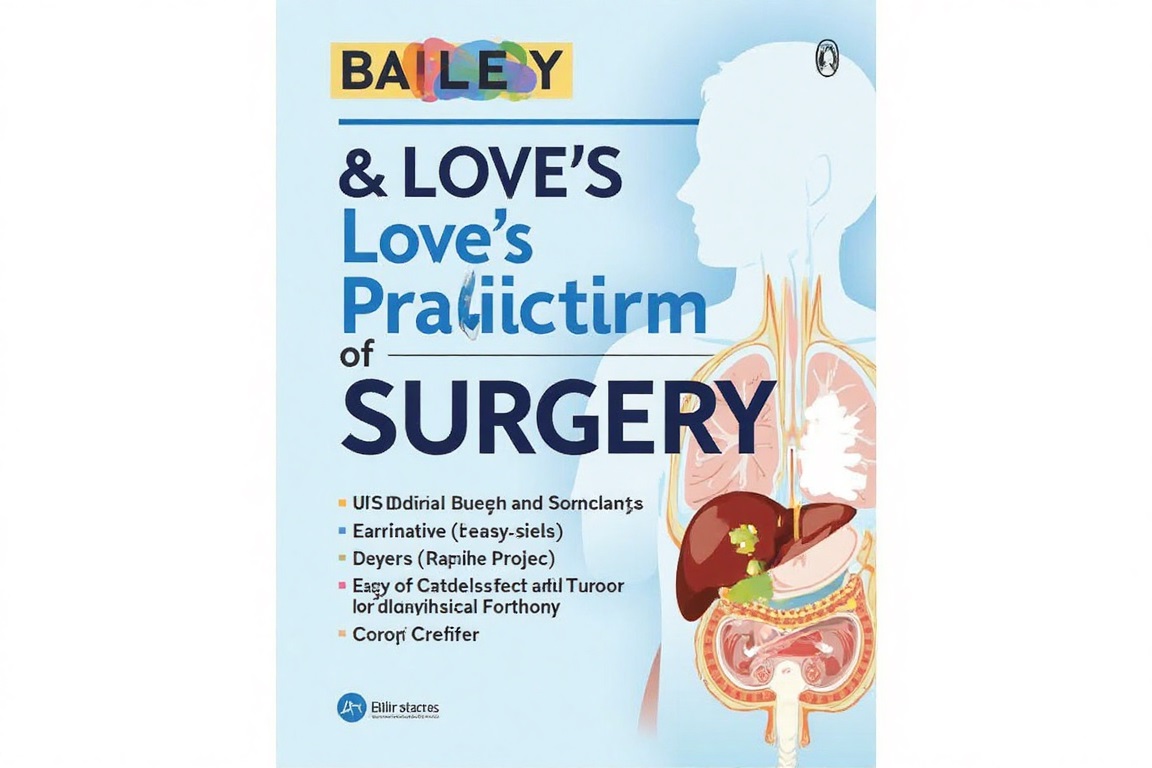
1. Bailey & Love’s Short Practice of Surgery
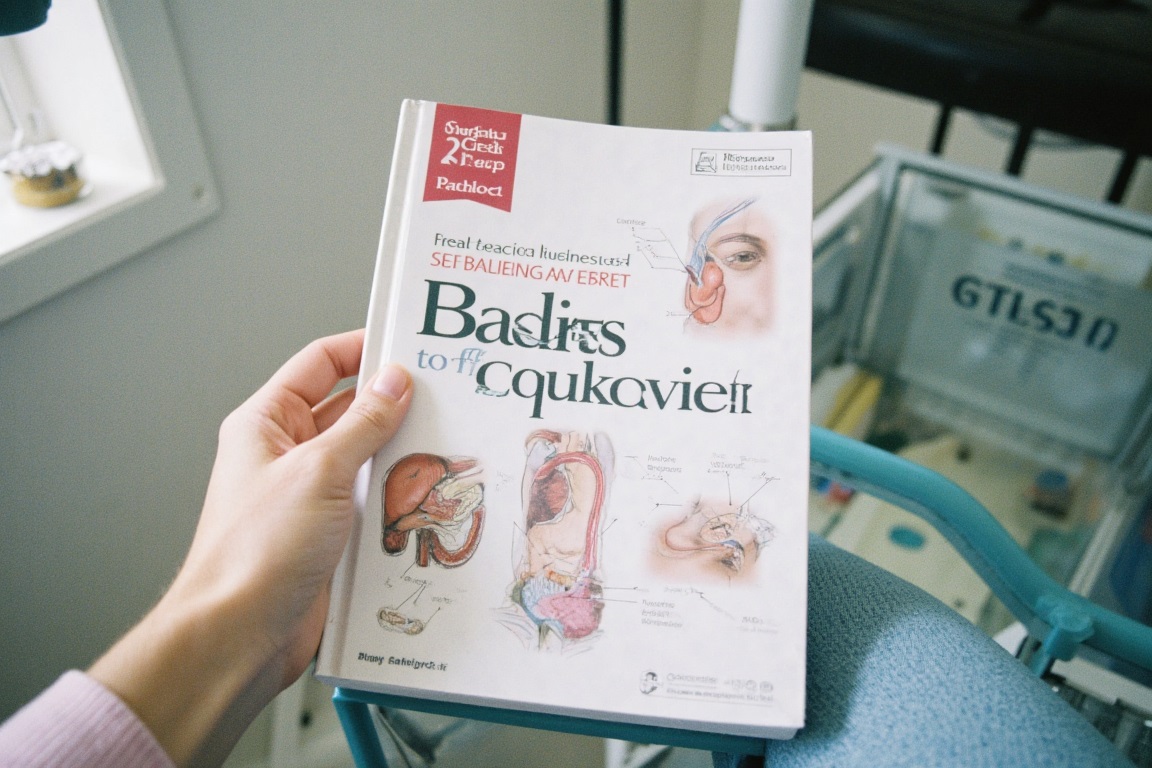
- Why It’s Essential: Considered the “bible” of surgery for medical students and junior doctors. This book offers a perfect balance of fundamental science, practical surgical techniques, and up-to-date clinical guidelines.
- Key Features:
- Covers everything from basic surgical techniques to trauma, gastrointestinal surgery, and endocrine surgery.
- Rich illustrations and color diagrams explaining anatomy and procedures.
- Easy-to-read style, suitable for both classroom learning and ward reference.
- Best For: MBBS students, junior residents, and as a bedside companion.
- Extra Tip: Always check for the latest edition (currently the 28th Edition as of 2025).
Bailey & Love’s Short Practice of Surgery
2. Sabiston Textbook of Surgery: The Biological Basis of Modern Surgical Practice
- Why It’s Essential: Known as the most comprehensive surgery textbook available, Sabiston provides in-depth discussions suitable for advanced learners and professionals.
- Key Features:
- Detailed pathophysiology of surgical diseases.
- Case-based explanations connecting theory with practice.
- Incorporates recent innovations like minimally invasive surgery and robotic surgery.
- Best For: Senior medical students, residents, and postgraduate surgeons.
- Fun Fact: Sabiston has been in publication since 1936, making it one of the oldest continuously updated surgical references in the world.
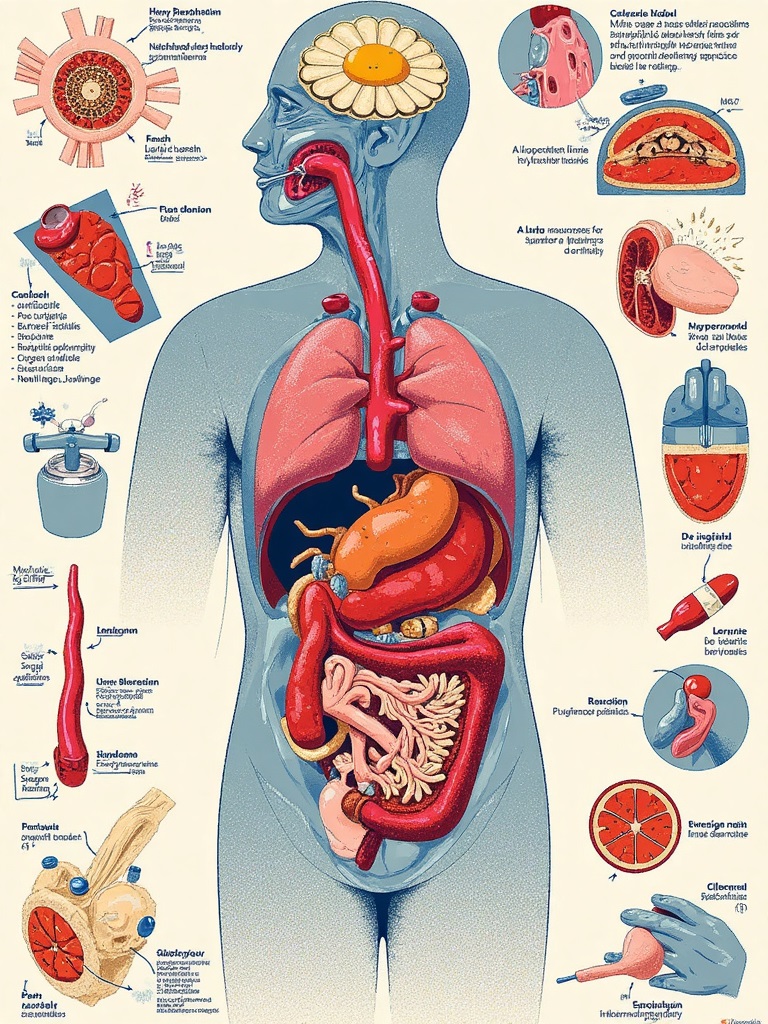
3. Schwartz’s Principles of Surgery
- Why It’s Essential: Concise yet detailed, Schwartz blends principles of surgery with clinical problem-solving, making it highly exam-friendly.
- Key Features:
- Covers trauma, oncology, gastrointestinal, vascular, and endocrine surgery.
- Clear flowcharts and practice algorithms.
- Excellent review questions at the end of chapters.
- Best For: Students preparing for licensing exams such as USMLE, PLAB, or postgraduate surgical entrance exams.
- Recognition: Many surgical professors recommend Schwartz as the first book to read in general surgery.
4. Current Surgical Therapy by John L. Cameron

- Why It’s Essential: Unlike Bailey, Sabiston, or Schwartz, which focus more on theoretical foundations, Current Surgical Therapy emphasizes practical surgical decision-making.
- Key Features:
- Short, precise chapters summarizing surgical management of various conditions.
- Explains “what to do in the OR” rather than long theory.
- Covers rare conditions not found in other general textbooks.
- Best For: Surgical residents and practicing surgeons looking for quick references before a case.
5. Hamilton Bailey’s Physical Signs: Clinical Surgery
- Why It’s Essential: A classic that focuses on the art of surgical diagnosis. This book teaches medical students how to use observation, clinical examination, and history-taking in surgical practice.
- Key Features:
- Clinical photographs and case examples demonstrating surgical signs.
- Famous for its illustrations of conditions like goiters, ulcers, and tumors.
- Helps develop strong diagnostic reasoning before ordering tests.
- Best For: Students in their clinical rotations who need to sharpen diagnostic and examination skills.
Comparison of Core General Surgery Textbooks
| Book Name | Best For | Strengths | Weaknesses |
|---|---|---|---|
| Bailey & Love’s Surgery | MBBS students & junior residents | Balanced, approachable, widely trusted | Summary needed for exams |
| Sabiston Textbook of Surgery | Senior students & residents | Extremely comprehensive, research-based | Heavy, detailed, not beginner-friendly |
| Schwartz Principles of Surgery | Students preparing for exams | Concise, good algorithms, exam-friendly | Less detailed than Sabiston |
| Current Surgical Therapy | Residents & practicing surgeons | Quick, practical, case-based | Not for beginners |
| Hamilton Bailey’s Clinical Signs | Clinical students & learners of diagnosis | Focused on bedside diagnosis | Limited coverage of newer techniques |
Why These Books Matter
These textbooks are not interchangeable—they complement one another. For example:
- A beginner might start with Bailey & Love’s,
- Move on to Schwartz for deeper clinical concepts,
- Refer to Sabiston for detailed postgraduate-level reading,
- Use Current Surgical Therapy as a quick guide before actual cases,
- And rely on Hamilton Bailey’s Clinical Signs during ward rounds.
Together, they provide a complete general surgery learning path for any student or resident.
Specialty and Subspecialty Surgery Books
While general surgery textbooks lay the foundation, advancing in medicine requires exploring specialty surgery books. Surgery is a vast discipline with numerous subspecialties—each demanding its own reference materials. Below is a curated list of must-read textbooks for the most important surgical subspecialties.
1. Orthopedic Surgery
Recommended Books:
- Campbell’s Operative Orthopaedics
- The most comprehensive orthopedic surgery reference, with step-by-step guidance on trauma, joint replacement, and spine procedures.
- Updated surgical techniques for robotic and minimally invasive orthopedics.
- Miller’s Review of Orthopaedics
- Best for exam prep—concise yet covers all key topics.
- Frequently used by residents appearing for orthopedic board exams.
Best For: Orthopedic residents, surgeons specializing in bones, joints, and musculoskeletal trauma.
2. Pediatric Surgery
Recommended Books:
- Pediatric Surgery by Coran and Adzick
- Considered the gold standard for pediatric surgery. Covers congenital anomalies, neonatal emergencies, and pediatric trauma.
- Ashcraft’s Pediatric Surgery
- More accessible than Coran’s; includes clinical cases, illustrations, and simplified explanations.
Best For: Medical students and surgeons specializing in neonatal and pediatric procedures.
3. Neurosurgery
Recommended Books:
- Greenberg’s Handbook of Neurosurgery
- Portable, concise, and updated. Known as the “neurosurgeon’s pocket bible.”
- Youmans and Winn Neurological Surgery
- Multi-volume, extremely detailed. Covers everything from brain tumors to spinal cord injuries.
Best For: Neurosurgery residents, neuroanatomy enthusiasts, and senior surgeons in academia.
4. Cardiothoracic Surgery
Recommended Books:
- Kirklin/Barratt-Boyes Cardiac Surgery
- Classic text, particularly for open-heart procedures.
- General Thoracic Surgery by Shields
- Covers lung, esophagus, trachea, and mediastinal surgery. Known for clear diagrams.
Best For: Surgical residents focusing on cardiovascular and thoracic cases, or professionals in transplant and advanced heart surgery.
5. Plastic and Reconstructive Surgery
Recommended Books:
- Grabb and Smith’s Plastic Surgery
- Covers reconstructive techniques and cosmetic surgery fundamentals.
- Essentials of Plastic Surgery by Jeffrey Janis
- A practical handbook often used by residents for surgical procedures.
Best For: Plastic surgery residents, burn unit surgeons, and anyone pursuing reconstructive or aesthetic surgery.
6. Urology
Recommended Books:
- Campbell-Walsh-Wein Urology
- The definitive text for urology. Covers urinary tract diseases, prostate surgery, and renal transplantation.
- Smith and Tanagho’s General Urology
- Easier to read for beginners, highly exam-oriented.
Best For: General surgeons with a urology rotation and residents specializing in genitourinary systems.
7. Vascular Surgery
Recommended Books:
- Rutherford’s Vascular Surgery and Endovascular Therapy
- The international standard for vascular surgeons, exploring open surgery and catheter-based techniques.
- Moore’s Vascular and Endovascular Surgery
- Practical, exam-friendly, and widely used in postgraduate courses.
Best For: Students and residents interested in vascular and endovascular interventions.
8. Trauma and Emergency Surgery
Recommended Books:
- Advanced Trauma Life Support (ATLS) Manual
- Developed by the American College of Surgeons; a must-have for trauma protocols and ER response.
- Trauma by Mattox, Moore, and Feliciano
- Comprehensive coverage of trauma surgery and critical care.
Best For: Residents in trauma centers, emergency medicine doctors, and surgical teams.
Why Subspecialty Books Are Important
- Focused Knowledge – General surgery covers broad topics; subspecialty books go into specific, advanced detail.
- Clinical Relevance – Many surgical cases require specialized management beyond what basic textbooks cover.
- Exam Preparation – Board exams often test subspecialty knowledge in addition to general principles.
- Career Advancement – Surgeons aiming to specialize must build expertise using the leading textbooks in their field.
Quick Reference Table
| Specialty | Core Books | Who Should Use Them |
|---|---|---|
| Orthopedics | Campbell’s Operative Orthopaedics; Miller’s Review | Ortho residents, trauma surgeons |
| Pediatrics | Coran Pediatric Surgery; Ashcraft’s Pediatric Surgery | Pediatric surgeons, neonatologists |
| Neurosurgery | Greenberg’s Handbook; Youmans Neurological Surgery | Neuro residents & specialists |
| Cardiothoracic | Kirklin’s Cardiac Surgery; Shields’ Thoracic Surgery | Thoracic & cardiac surgeons |
| Plastic Surgery | Grabb & Smith; Essentials of Plastic Surgery | Plastic & reconstructive surgeons |
| Urology | Campbell-Walsh-Wein Urology; Smith & Tanagho | Urologists, surgical residents |
| Vascular | Rutherford’s Vascular Surgery; Moore’s Vascular Surgery | Vascular specialists |
| Trauma/Emergency | ATLS Manual; Trauma (Mattox, Moore, Feliciano) | Trauma surgeons, ER doctors |
Free Platforms for Surgery Books PDF
Buying textbooks like Sabiston Textbook of Surgery or Bailey & Love’s Short Practice of Surgery can cost hundreds of dollars. That’s why many students search for surgery books PDF free download to support their studies. However, while PDFs are easily found across the internet, not all sources are reliable or safe. Below is a list of legal and trusted platforms where students and professionals can find open-access surgery resources, along with additional notes on how to use community-driven platforms carefully.
View more on Bing.com
1. NCBI Bookshelf
Overview
NCBI Bookshelf, run by the U.S. National Library of Medicine, offers a variety of academic and clinical books accessible for free. While not exclusively focused on surgery, it contains several clinical guidelines and surgical references.
Advantages:
- Government-backed and 100% legal.
- Reliable references for clinical decision-making.
- Includes books on anatomy, physiology, and related sciences critical for surgical education.
Limitations:
- Doesn’t cover popular comprehensive surgical textbooks like Sabiston.
- Many books are available for online reading only, not full PDF downloads.
Best For: Students working on research papers, surgical dissertations, or evidence-based projects.
2. OAPEN Library
Overview
The Open Access Publishing in European Networks (OAPEN) library contains thousands of scholarly eBooks, many of which include surgical research and medical education materials.
Advantages:
- Access to peer-reviewed, academic-level material for free.
- Strong emphasis on research and specialized topics in surgery.
- Books are downloadable in PDF and EPUB formats.
Limitations:
- Focuses more on research-heavy content rather than beginner-friendly textbooks.
- Lacks mainstream clinical textbooks like Bailey & Love’s.
Best For: Surgical residents, postgraduate students, and researchers looking for high-level academic references.
3. Internet Archive (archive.org)
Overview
The Internet Archive is one of the largest digital libraries in the world, hosting more than 38 million texts, including countless surgical references and older editions of classic books.
Advantages:
- Massive collection, including classics like Hamilton Bailey’s Clinical Signs.
- PDFs are downloadable with multiple formats (EPUB, Kindle, Daisy).
- Perfect for historical references on how surgical training has evolved.
Limitations:
- Quality can vary—some scanned copies may be blurry.
- Doesn’t always have the latest editions.
Best For: Students and professionals seeking older but still relevant editions, or historical surgical learning materials.
4. ResearchGate
Overview
ResearchGate is a global research-sharing platform where academics upload and share their publications. Many surgical researchers upload manuals, book chapters, and review articles.
Advantages:
- Free access to specialized surgical topics.
- Direct communication with authors—students can request full texts.
- Excellent for niche or research-heavy surgical content.
Limitations:
- Requires a free account.
- Not built for full textbooks—availability of complete references is limited.
Best For: Residents and postgraduate students looking for updated surgical research or rare chapters.
5. Academia.edu
Overview
Similar to ResearchGate, Academia.edu is used by academics to share their work. Its database includes dissertations, lecture notes, and sometimes complete textbooks in surgery.
Advantages:
- Great for finding study notes, surgical guides, and research projects.
- Free registration gives access to thousands of uploads.
- Students can network with professors globally.
Limitations:
- Quality varies—some resources are not peer-reviewed.
- Links to premium services can be distracting.
Best For: Medical students looking for study notes and supplementary resources in surgery.
6. Free Medical Book Blogs and Student Forums
Overview
There are dozens of medical student-run blogs (such as Medicos Republic, Medical Book Drive, etc.) sharing free textbooks and exam preparation PDFs, including general and specialty surgery books.
Advantages:
- Easy access to popular texts like Schwartz’s Principles of Surgery or Campbell’s Operative Orthopaedics.
- Often updated with exam prep guides, question banks, and flashcards.
- Well-suited for last-minute downloads during exams.
Limitations:
- Copyright and legality are often questionable.
- Risk of incomplete or unsafe files.
- Heavy ads and pop-ups reduce user experience.
Best For: Students looking for quick access to exam materials, but with caution regarding source reliability.
Comparison of Free PDF Platforms
| Platform | Strengths | Weaknesses | Best For |
|---|---|---|---|
| NCBI Bookshelf | Legal, reliable, government-backed | Limited surgical textbooks | Evidence-based study, research projects |
| OAPEN | Peer-reviewed, open-access | Research-heavy, fewer clinical texts | Postgrad students, surgical researchers |
| Internet Archive | Large, historical collection | May lack latest editions | Classic/general references |
| ResearchGate | Access to rare/specialized chapters | Not full textbooks | Advanced learners, residents |
| Academia.edu | Notes, dissertations, supplementary study | Quality not always peer-reviewed | Students seeking extra notes |
| Medical Forums/Blogs | Easy access to popular textbooks | Legality questionable, risk of malware | Quick, practical exam preparation |
Key Takeaway
Not all free platforms provide the same value. To build a balanced surgical library, students should:
- Use legal open-access libraries (NCBI, OAPEN) for credibility and safe academic use.
- Use Internet Archive for older but classic books.
- Explore forums/blogs cautiously for current exam prep materials.
Together, these sources ensure that surgical learners have access to both high-quality official resources and practical student-focused guides without financial burden.
Practical Tips + FAQs
Having access to free surgery books in PDF format is only the starting point. To truly benefit, learners need a clear strategy for using, organizing, and updating their digital library. Below are practical tips and frequently asked questions (FAQs) to help medical students and professionals maximize learning.
🔹 Practical Tips for Using Surgery Books PDFs
1. Check the Edition Before You Study
- Always verify whether the book is the latest edition.
- Surgical techniques, drug protocols, and clinical guidelines are constantly updated—especially in subspecialties like vascular, neurosurgery, and pediatric surgery.
- Using outdated editions may lead to wrong practices in exams or clinical rotations.
2. Build a Digital Surgery Library
Organize your eBooks by specialty or semester:
- 📁 General Surgery → Bailey & Love’s, Schwartz, Sabiston
- 📁 Orthopedics → Campbell’s, Miller’s Review
- 📁 Neurosurgery → Greenberg, Youmans
- 📁 Trauma/Emergency → ATLS, Trauma by Mattox
- 📁 Cardiothoracic → Kirklin, Shields
💡 Rename your files clearly (e.g., Schwartz_PrinciplesOfSurgery_12thEd.pdf) to avoid confusion.
3. Use PDF Annotation Tools
Make your PDF interactive instead of passively reading:
- Highlight surgical steps and key definitions.
- Add custom notes during ward rounds.
- Bookmark “high-yield” chapters for exams.
👉 Recommended apps: Adobe Acrobat, Xodo, Notion, or GoodNotes (tablet).
4. Blend Textbooks with Clinical Practice
- Use Bailey & Love’s or Schwartz for core theory.
- Refer to Hamilton Bailey’s Clinical Signs for bedside diagnosis.
- Carry handbooks/pocket guides (like Greenberg’s Neurosurgery Handbook) for quick reference during rotations.
This combined approach gives you both academic depth and clinical readiness.
5. Avoid Over-Reliance on Free Sources Alone
Free PDFs are useful, but boards and professors often rely on the latest official editions. Make sure to:
- Use open-access platforms (NCBI, OAPEN) for credibility.
- Compare medical blogs with official guidelines (WHO, AMA, surgical associations).
- Keep track of your citations if writing dissertations.
6. Develop a Study Schedule
Without structure, PDFs remain untouched in your folder. Example plan:
- Daily → Read 1–2 subtopics (e.g., abdominal trauma, thyroid surgery).
- Weekly → Revise high-yield surgical cases and check notes.
- Monthly → Practice MCQs/clinical scenarios linked to the books studied.
Consistency turns free surgery PDFs into practical surgical knowledge.
🔹 SEO-Friendly FAQs
Q1: Which is the best surgery book for MBBS students?
Bailey & Love’s Short Practice of Surgery is the most recommended for undergraduate medical students worldwide.
Q2: Are free surgery books PDFs safe to use for exams?
Yes, but ensure you use updated editions. Always double-check against official guidelines used by your medical board.
Q3: Can I prepare for exams like USMLE or PLAB with free PDFs?
Yes. Use core textbooks (Schwartz, Sabiston) along with dedicated prep guides like First Aid for the USMLE or Kaplan Surgery Notes.
Q4: Where can I find legal free surgery books PDFs?
Trusted platforms include NCBI Bookshelf, OAPEN, and Internet Archive. These provide open-access academic and medical resources.
Q5: Do I need both general and subspecialty surgery books?
Yes. General surgery books give you the foundation, while subspecialty books (orthopedic, pediatric, neurosurgery, etc.) provide focused clinical knowledge needed in rotations and residency.
Q6: Which surgery pocket books are helpful during rotations?
- Hamilton Bailey’s Clinical Signs (diagnosis focus)
- Greenberg’s Handbook of Neurosurgery
- Washington Manual of Surgery
Q7: Is it ethical to download surgery textbooks for free?
Using open-access and institutional resources (NCBI, OAPEN) is always ethical. For copyrighted books, it is recommended to support authors by buying or accessing them through your medical school library.
⭐ Final Thoughts
Surgical education demands lifelong learning. Building your own surgery books PDF library ensures you always have quick access to foundational knowledge, clinical practices, and updated guidelines. With the right mix of general surgery classics (Bailey, Sabiston, Schwartz) and subspecialty references (Campbell for orthopedics, Coran for pediatrics, Greenberg for neurosurgery), students and professionals can excel both in exams and in the operating room.
Remember: textbooks form the knowledge base, but real-world learning comes from applying this knowledge at the bedside and in the theater. Use free PDFs smartly, ethically, and strategically to become not just a better student—but a better surgeon.