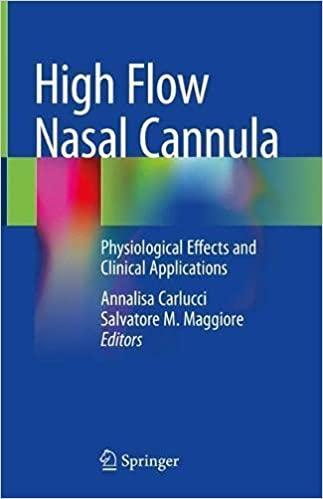
High Flow Nasal Cannula: Physiological Effects and Clinical Applications 1st ed. 2021 Edition
In the opening part of the book, readers will learn the differences between high-flow and low-flow techniques and gain an overview of HFNC’s technical aspects and physiological effects.
The book subsequently describes the pathophysiological mechanisms involved in different respiratory diseases, analyzing how this technique positively impacts patients’ respiratory status. The authors highlight clinical applications of HFNC, both in adults and in children, in various clinical settings – e.g. intensive care and semi-intensive care unit, emergencies, rehabilitation etc. – and present tips, tricks and pitfalls, as well as up-to-date reports on technical issues.
The book is intended for pneumologists, intensivists, anesthesiologists, ED doctors, rehabilitation therapists, internists and oncologists, as well as fellows and nurses in these fields.
Product Details
Product Details
- Publisher : Springer; 1st ed. 2021 edition (June 1, 2021)
- Language : English
- Digital eBook : 170 pages


Adolescents with Chronic Kidney Disease
Insall & Scott Cirurgia do Joelho
The Chemistry of Contrast Agents in Medical Magnetic Resonance Imaging 2nd
Clinical Research: From Proposal to Implementation
First Aid Step 1 Express Videos 2015 (USMLE-Rx)
Developability of Biotherapeutics: Computational Approaches
Atlas of Early Zebrafish Brain Development: A Tool for Molecular Neurogenetics
West's Pulmonary Pathophysiology 9th
Genetics: From Genes to Genomes, 7th Edition (PDF)