

The Menopause Society Menopause Annual Meeting OnDemand 2025
100 $
Format : videos + audio + file sub vtt + pdf, size: GB
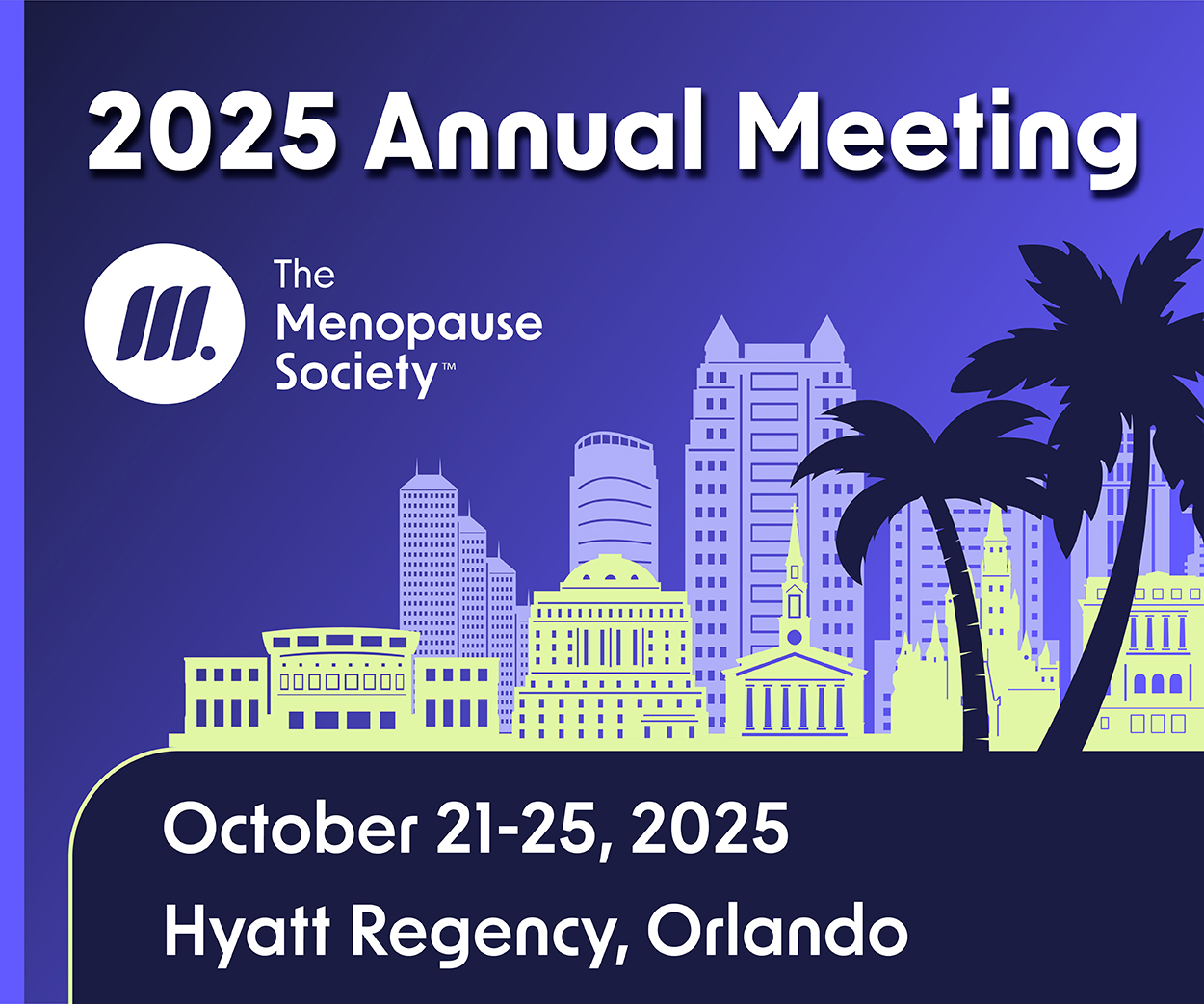
The The Menopause Society 2025 Annual Meeting OnDemand provides virtual access to recorded sessions from the 2025 meeting held in Orlando, Florida. The core theme of the meeting is “Optimizing Health and Longevity at Menopause and Beyond”. Available content includes the Opening Symposium and 11 Plenary Symposia, special lectures, and main program sessions. Additionally, the platform provides access to the Menopause 101 and Sexual Health 101 courses. Attendees can utilize synchronized slide presentations alongside downloadable MP3 audio files for their learning.
Learning Objectives
Menopause 101 Course By participating in this activity, attendees should be able to:
Review menopause definitions, terminology, and physiology to develop an evidence-based framework for managing menopause-related signs and symptoms.
Understand hormone therapy (HT) indications and contraindications, the types of HT available, and the timing hypothesis.
Describe nonhormone therapy options, the limitations, and the role of combination therapy.
Define approaches for managing perimenopause symptoms, including evaluating and managing abnormal uterine bleeding, vasomotor symptoms, mood-related symptoms, and weight gain.
Discuss management of genitourinary syndrome of menopause and the various treatment modalities, including hormone and nonhormone options.
Consider the available treatment options for the management of primary ovarian insufficiency, premature menopause, and early menopause.
Review female sexual dysfunction at menopause, the available treatment options, and the indications for sex therapy and pelvic therapy.
Understand the benefits and therapeutic modalities of cognitive-behavioral therapy for vasomotor symptoms, insomnia, anxiety, and depression.
Sexual Health 101 Course By participating in this activity, attendees should be able to:
Discuss and review an office-based assessment to determine a diagnosis of female sexual problems.
Understand the use of psychotherapy in managing the symptoms of female sexual dysfunction.
Define approaches for nonhormone pharmacologic treatment options for female sexual dysfunction.
Consider the role of androgens in treating hypoactive sexual desire disorder in postmenopausal women.
Review the options for managing sexual dysfunction due to genitourinary syndrome of menopause.
Understand how cancer affects sexual function and review the causes and treatment options.
Describe the management of female sexual problems using lubricants, moisturizers, and devices.
Annual Meeting Main Program and Opening Symposium By participating in this activity, attendees should be able to:
Become familiar with perimenopause and the aspects surrounding it, including contraception; bleeding changes and gynecologic symptoms; vasomotor, sleep, and mood symptoms; and personalized treatment options.
Recognize the mind, brain, and body connections in mental health and menopause and how they work together.
Understand weight and body composition changes at menopause, review how to manage symptoms, discuss new treatment options and their outcomes, and optimize weight loss.
Consider bone protection in perimenopause and which treatment options are best for which patients.
Explore the effect of progestogens on sleep, vasomotor symptoms, and breast cancer and determine treatment options.
Discuss vulvar disorders in midlife patients, including vulvar dermatoses and new approaches to vulvodynia.
Appreciate the importance of cardiovascular health at midlife and review primary prevention strategies for cardiovascular disease in women.
Evaluate strategies for those with dense breasts, consider those with early surgical menopause because of breast cancer, and cardiovascular and musculoskeletal health in survivors of breast cancer.
Become familiar with menopause in special populations, including those with primary ovarian insufficiency and Indigenous and Hispanic populations; and trauma-informed menopause care.
Discuss vasomotor symptom management, including hormone, nonhormone pharmacologic, and nonpharmacologic option treatment strategies.
Consider the role of androgens for muscles, mood, hypoactive sexual desire disorder, and more.
Explore the complex interactions between the ovary and the brain in midlife and the strategies to prevent or delay ovarian aging.
Recognize how regenerative medicine and tissue engineering have advanced cardiovascular repair technologies and the field of organ transplantation science.
Review the role of exposure to alcohol and poor nutrition on health outcomes, including breast cancer risk, and the effect of reduced alcohol consumption in relation to cancer risk and mortality.
Target Audience
This educational activity is designed for healthcare professionals who manage the health and well-being of women during the menopause transition and postmenopausal years.
Best for Obstetricians, Gynecologists, Primary Care Physicians, Endocrinologists, Psychiatrists, Psychologists, Cardiologists, Oncologists, and Dermatologists.
Topics
01 Welcome and Introductory Remarks
02 Perimenopause Definitions, Epidemiology, and Hormone Overview
03 When Does Perimenopause Actually Begin
04 Floodgates and Frustration Evidence-Based Approaches to Abnormal Uterine Bleeding in Perimenopause
05 Vasomotor Symptoms, Sleep, and Mood
06 Opening Symposium-Perimenopause Q&A With Audience I
07 Personalized Treatment Options for Common and Uncommon Symptoms
08 Addressing Contraceptive Needs of Perimenopausal Women
09 Information and Misinformation
10 Opening Symposium-Perimenopause Q&A With Audience II
11 Hormones and Brain Health Cognition
12 Gut-Brain Connection and Mental Health
13 Trauma Exposure and Its Importance to Women’s Health During The Menopause Transition
14 Hormone Sensitivity, Mood, and Anxiety
15 Presidential Symposium 1-Mind, Brain, and Body Connections How Does That Really Work Q&A With Audience
16 Test Your Women’s Health Knowledge Interactive Case Discussions
17 Welcome and Introductory Remarks
18 Reframing Longevity and Extending Health Span in Women
19 Keynote Address Q&A With Audience
20 Body Composition Changes in Menopause
21 Managing Menopause Symptoms to Optimize Weight Loss
22 Nutrient-Stimulated Hormone-Based (NuSH) Therapeutics- Dosing, Outcomes, and Clinical Considerations
23 Plenary Symposium 2-WeightPlenary Symposium 2-Weight- Q&A With Audience
24 Perimenopause and Bone Protection
25 Which Treatment Option for Which Patient
26 Plenary Symposium 3-Bone Health- Q&A With Audience
27 Progestogens- Impact on Sleep, Vasomotor Symptoms, and Breast Cancer
28 When, How Much, and What If It Goes Wrong
29 Levonorgestrel IUS for Endometrial Protection- Benefits, Side Effects, and Risks
30 Plenary Symposium 4-Progestogens Q&A With Audience
31 Evaluation of Vulvar Disorders in Midlife Patients
32 Vulvar Dermatoses
33 New Approaches to Vulvodynia
34 Plenary Symposium 5-Vulvar Health- Q&A With Audience
35 Cardiovascular Disease in Midlife Women- Epidemiology, Awareness, and What the Future Holds
36 Primary Prevention of Cardiovascular Disease in Women- Blood Pressure, Lipids, and Diabetes
37 Microvascular Disease in Women- Small Vessels Big Impact
38 Plenary Symposium 6-Cardiovascular Health in Midlife Q&A With Audience
39 Dense Breasts- What Do We Do, With Whom, When, How Often, and Why
40 Early Surgical Menopause in BRCA Previvors- Practical Recommendations for Systemic and Vaginal Hormone Therapy
41 Cardiovascular and Musculoskeletal Health in Breast Cancer Survivors
42 Plenary Symposium 7-Breast Health- Q&A With Audience
43 Primary Ovarian Insufficiency Functional Hypothalamic Amenorrhea
44 Trauma-Informed Menopause Care in the VA
45 Menopause in Indigenous and Hispanic Populations
46 Plenary Symposium 8-Menopause in Special Populations Q&A With Audience
47 Curing the Number One Killer of Men, Women, and Children- An Update on Bioengineering Personalized Human Hearts
48 The Menopause Society Pfizer Wulf H Utian Endowed Lecture Q&A With Audience
49 Androgens for Muscles, Mood, and More
50 Androgens for Hypoactive Sexual Desire Disorder
51 Plenary Symposium 10-Androgens Q&A With Audience
52 Plenary Symposium 11-Query the Experts- Have Your Questions Answered
53 Starting, Swapping, and Stopping Hormone Therapy
54 Nonhormone Pharmacologic Options
55 Nonpharmacologic Options
56 Plenary Symposium 9-Vasomotor Symptom Management- Q&A With Audience
57 Impact of Alcohol on Health Outcomes
Be the first to review “The Menopause Society Menopause Annual Meeting OnDemand 2025”
You must be logged in to post a review.
Related products





Reviews
There are no reviews yet.