

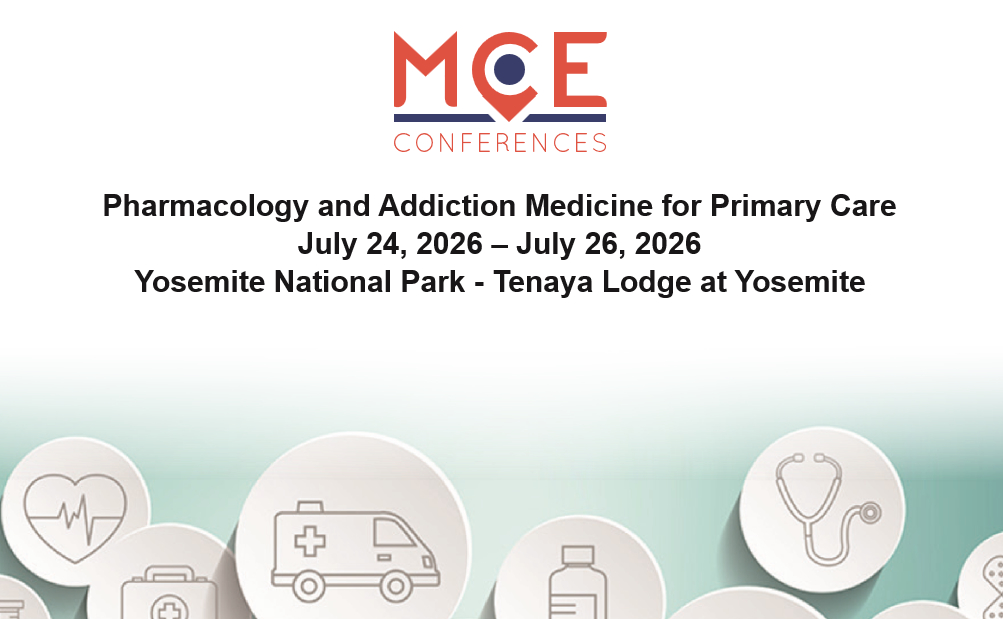
MCE Conferences Pharmacology and Addiction Medicine for Primary Care Jul 24, 2026 – Jul 26, 2026
135 $
Format : videos + file sub vtt + pdf, size: GB
The “Pharmacology and Addiction Medicine for Primary Care” conference (July 24–26, 2026, at Tenaya Lodge at Yosemite) is designed to provide primary care practitioners with up-to-date, evidence-based information on commonly encountered issues in Pharmacology and Addiction Medicine. The program offers pragmatic approaches to clinical management through a discussion-based format that encourages audience participation via dynamic lectures, case-based studies, and hands-on workshops. Keynote speakers critically assess recent advancements and industry updates to enhance attendees’ core competence in diagnosing, treating, and prescribing the most effective courses of treatment to improve patient outcomes.
Learning Objectives
Upon successful completion of this program, attendees will be able to:
Describe the disease model and diagnostic criteria for addiction, and engage patients regarding unhealthy alcohol or drug use.
List and treat commonly abused substances and behavioral addictions, including managing marijuana and substance use in adolescents.
Review the pharmacology, mechanisms of action, contraindications, and adverse effect profiles of major diabetes therapies, anxiolytics, and antidepressants.
Select appropriate, individualized glucose-lowering therapies and anti-obesity medications based on patient-specific factors, comorbid conditions, and evidence-based guidelines (e.g., ADA Standards of Care).
Prioritize treatment goals beyond glycemic control (A1c), including weight management, cardiovascular risk reduction, and quality of life.
Screen for alcohol misuse, manage alcohol withdrawal, and utilize FDA-approved and off-label medications for Alcohol Use Disorder (AUD) treatment.
Apply CDC guidelines for chronic opioid therapy, identify problematic use, and develop objective treatment/weaning plans for patients on controlled substances.
Recognize and manage opioid withdrawal, compare FDA-approved medications for Opioid Use Disorder (MOUD), and initiate/manage buprenorphine safely.
Optimize analgesia and utilize buprenorphine in pain management for patients with a history of addiction.
Evaluate rapid versus confirmatory Urine Drug Screen (UDS) testing and accurately interpret UDS findings.
Select the most optimal treatment regimens for anxiety and major depression, including special considerations for older adults.
Target Audience
All Physicians and other Healthcare Professionals seeking clinical information about issues in Pharmacology and Addiction Medicine.
Best for Primary Care Physicians, Family Medicine Physicians, Internal Medicine Physicians, Addiction Medicine Specialists, Psychiatrists, Endocrinologists, Pediatricians, and Pain Management Specialists.
Topics
Friday, July 24th
The Disease of Addiction and Common Substance & Behavioral Addictions: Covering the disease model, diagnostic criteria, patient engagement strategies, and treatment for commonly abused substances/behavioral addictions.
Marijuana, Alcohol, and Substance Use in Adolescents: Addressing common questions regarding marijuana, facilitating safe dialogue with youth, and developing patient-centered treatment plans for adolescents.
Getting Your Patient’s A1c to Goal: Reviewing pharmacology of major diabetes therapies, comparing advantages/limitations, selecting therapies based on comorbidities, evaluating glycemic control, and applying ADA Standards of Care.
Meeting Goals Beyond A1c: Exploring newer/emerging diabetes therapies, prioritizing cardiovascular risk and weight reduction, addressing complex patients/special populations, and implementing strategies to improve medication adherence and glucose monitoring.
Saturday, July 25th
Obesity Pharmacotherapy – Evidence-Based Strategies for Clinical Practice: Reviewing the pathophysiology of obesity, mechanisms of FDA-approved anti-obesity medications, identifying candidates for pharmacotherapy, selecting individualized regimens, and integrating with lifestyle interventions.
Treatment Options for Depression: Reviewing basic pharmacology of antidepressants (mechanisms, contraindications, side effects), newer antidepressants, and comparing advantages/disadvantages of pharmacologic therapies.
Alcohol Screening, Withdrawal, and Alcohol Use Disorder (AUD) Treatment: Screening techniques for alcohol misuse, withdrawal management, and FDA-approved/off-label medications for AUD.
Managing Opioid Medications in the Primary Care Setting: Key elements of CDC guidelines for chronic opioid therapy, identifying early signs of problematic use, developing objective treatment plans, and safely weaning patients off controlled substances.
Sunday, July 26th
Opioid Withdrawal, Opioid Use Disorder Treatment, and Buprenorphine: Recognizing and managing withdrawal, comparing the three FDA-approved MOUD, and safely initiating/managing buprenorphine.
Pain Management in Addiction: Optimizing analgesia in patients on MOUD or with addiction history, and utilizing buprenorphine for pain management.
Urine Drug Screen (UDS) Interpretation: Discussing pros and cons of rapid vs. confirmatory testing, and interpreting findings through case examples.
Your Cases and Q&A: Interactive review of audience and speaker-provided cases to reinforce concepts.
Selecting the Most Optimal Treatment Regimen for Your Patients with Depression: Outlining approaches for major depression, selecting optimal antidepressants based on patient-specific parameters, managing depression in older adults, and applying clinical guidelines.
Treatment Options for Anxiety: Reviewing anxiolytic pharmacology (mechanisms, precautions, side-effect profiles) and the pros and cons of various pharmacologic therapies.
Be the first to review “MCE Conferences Pharmacology and Addiction Medicine for Primary Care Jul 24, 2026 – Jul 26, 2026”
You must be logged in to post a review.
Related products




Reviews
There are no reviews yet.