

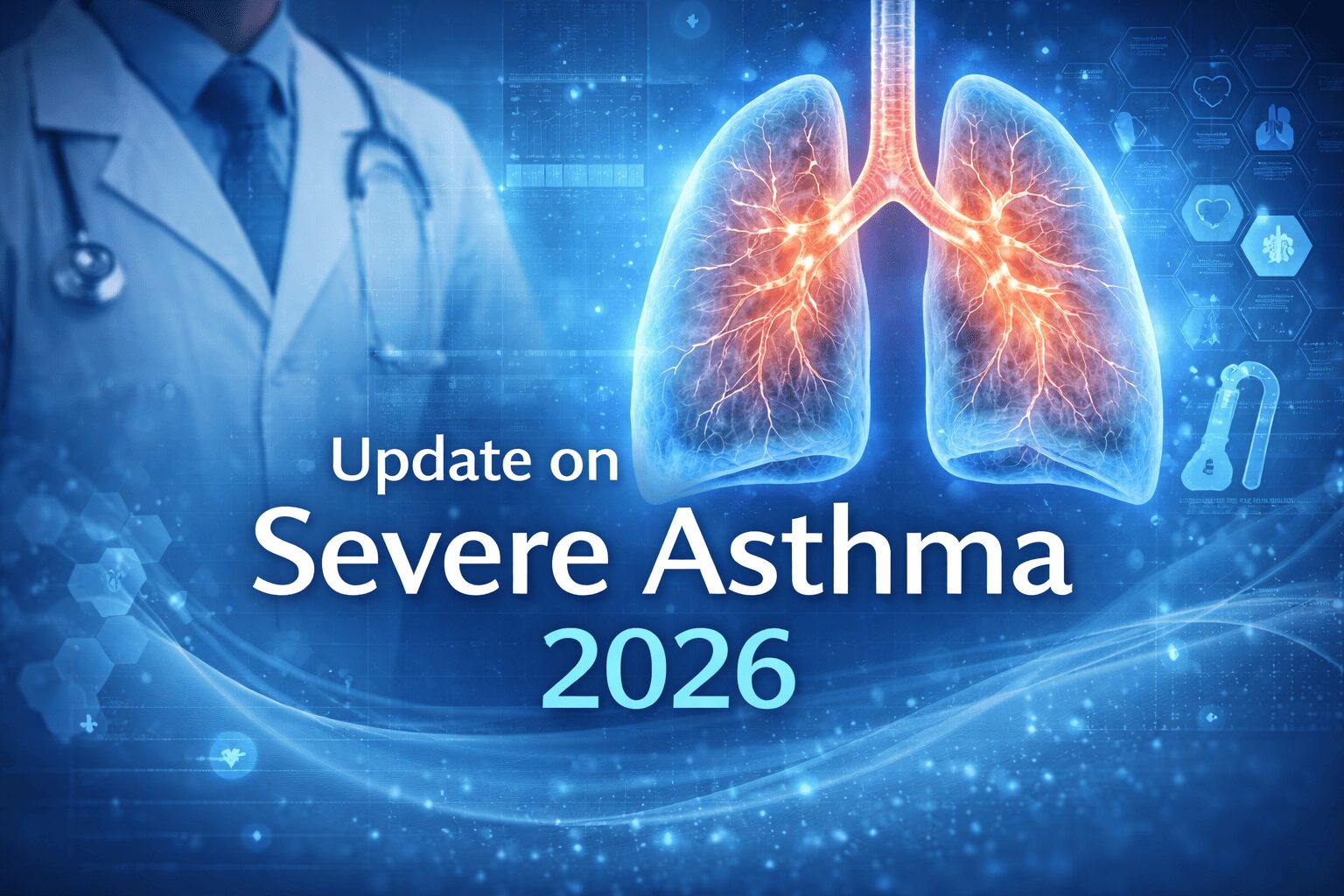
Harvard Update on Severe Asthma 2026
50 $
Format: 11 videos + 11 file sub vtt + 32 pdfs, size: 7.15 GB
1. Overview
The Harvard Update on Severe Asthma is a comprehensive continuing medical education program dedicated to the latest advancements in asthma diagnosis and treatment. Scheduled for 2026, this course provides practitioners with cutting-edge insights into precision medicine, the effective use of biologics, and the management of complex comorbidities to optimize care for patients with treatment-resistant and severe asthma.
2. Learning Objectives
Evaluate and implement precision medicine approaches, including the selection of bi- and tri-specific antibodies for severe asthma treatment.
Differentiate true severe asthma from clinical mimics such as tracheobronchomalacia and laryngeal disordered breathing.
Assess the impact of environmental factors, occupational exposures, genetics, and comorbidities like GERD and obesity on asthma severity.
Interpret advanced diagnostic tests accurately, incorporating new recommendations for pulmonary function tests and airway oscillometry.
3. Target Audience
Best for pulmonologists, allergists, and primary care physicians who want key updates on severe asthma diagnosis, biologics, and precision medicine.
4. Topics
Welcome and Introduction
Can’t Miss Articles in Severe Asthma
Asthma Insights The View from the Airways
Diagnostic Assessment of Severe Asthma
Managing Asthma with Aspirin-Exacerbated Respiratory Disease
Occupational Exposures and Severe Asthma
Asthma Genetics and the Environment in Severe Asthma
Diagnostic Considerations in Children with Severe Asthma
Guest Virtual Lecture- Bronchiectasies and Asthma- Is There an Overlap
Guest Lecture- Precision Medicine Approaches to Severe Asthma- Lessons from the PreCISE Trial
Interactive Case Discussions (Dx)
Choosing Bi and tri specific antibodies- the wave of the future
Choosing Among the Biologics for Severe Asthma
Guest Virtual Lecture- Clinical Remission in Asthma-What is it. Is it an achievable Goal of Therapy
Guest Lecture- Asthma, anxiety, and depression
Eosinophilic Lung Disease and Asthman
Guest Virtual Lecture- Managing Severe Asthma in Children
Cigarette Smoking, COPD, and Chronic Obstructive Asthma
Obesity, Diabetes, and Asthma
“Anti-Inflammatory Rescue”- Options and Challenges
Severe Asthma, the Biologics, and Population Health Management
Interactive Case Discussions (Rx)
Airway Oscillometry in Adults and Very Young Children
Asthma Mimics Consider Tracheobronchomalacia
Exercise-Induced Asthma
Gastroesophageal Reflux and Severe Asthma
Laryngeal Disordered Breathing Mimicking Severe Asthma
New Recommendations for the Interpretation of PFTs
Treating Rhinosinusitis and Nasal Polyposis
Be the first to review “Harvard Update on Severe Asthma 2026”
You must be logged in to post a review.
Related products





Reviews
There are no reviews yet.